
Estimated reading time: 4 minutes
Key Takeaways
- Ensure regular testing frequency for emergency lighting systems to meet BS 5266 standards.
- Conduct annual tests to confirm emergency luminaires function for a full 3-hour duration.
- Design lighting to meet minimum lux levels in corridors and open areas for safe evacuation.
- Recognise the importance of emergency lighting; it should not be treated as a low-priority cost.
- Select high-quality luminaires from reputable manufacturers to avoid delays in replacements.
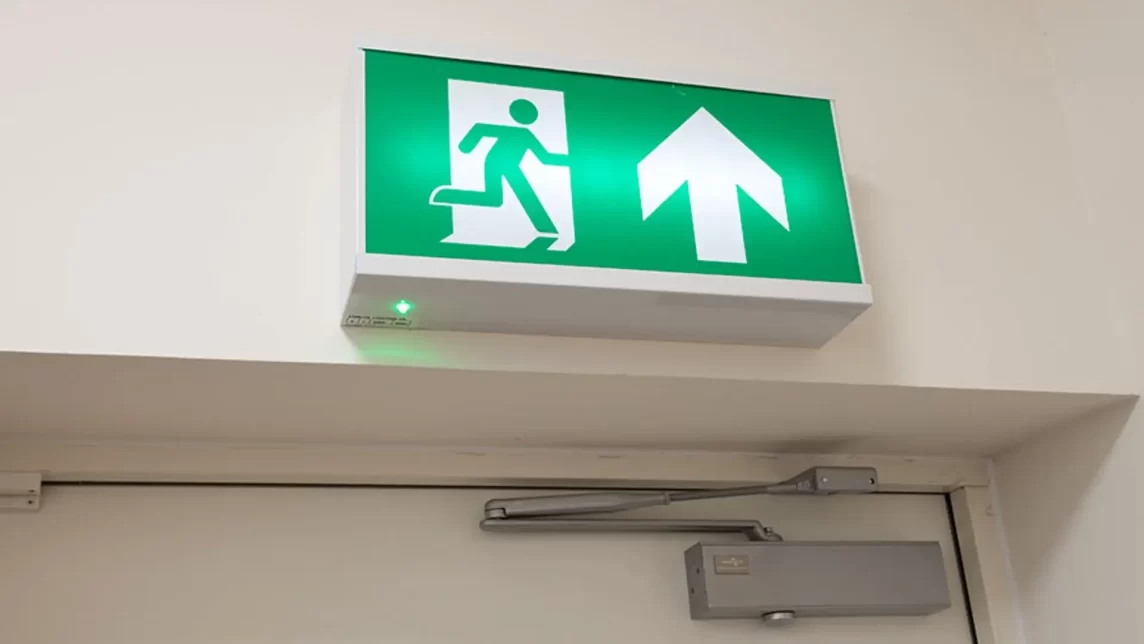
When it comes to implementing a high-quality emergency lighting system, there are a number of common pitfalls that must be avoided, in order to provide sufficient illumination for building occupants in the event of a loss of mains power.
Here, we take a look at these pitfalls and what they mean:
1. Testing Frequency
One of the most common oversights made by installers and building owners is a lack of testing frequency. Monthly battery duration tests are stipulated by BS 5266, simulating failure in order to assess the emergency luminaires’ presence, cleanliness and function.
2. No Annual Test
Emergency luminaires must be tested annually for the duration of their 3-hour battery. The fittings must sufficiently illuminate the space for 3 hours, and must continue to work after the test has been completed. Any failures must be detected and rectified immediately.
3. Poor Lighting Design
Minimum lux levels vary in different areas of a building. In corridors and escape routes, the centre line must be illuminated to at least 1 lux, and 1m either side of this centre line must be illuminated to at least 0.5 lux. Open areas (larger than 60m2) must be illuminated to a minimum of 0.5 lux.
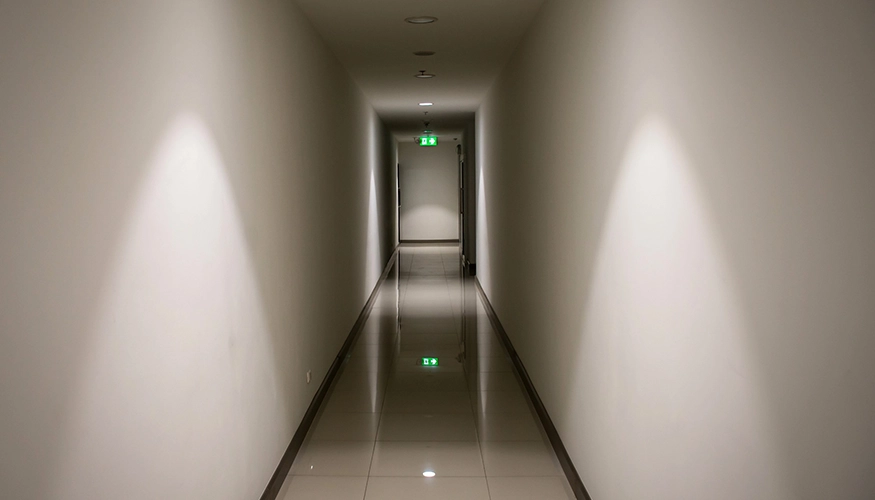
Emergency lighting is one of the most critical safety considerations in any building, yet it is often taken for granted. Inadequate systems aren’t just a safety risk, they carry significant legal consequences, including heavy fines and potential jail time for facility owners.
4. Taken for Granted
Emergency lighting is one of the most important considerations when upgrading a lighting system or fitting out a new building, however, many people take it for granted, with some seeing it as a low-priority additional cost. Just a little research into the huge number of people who have been fined and jailed because their facility had inadequate emergency lighting should assure people that this is not the case.
5. Poor Quality luminaires
Always choose a lighting manufacturer with a proven track record of supplying emergency lighting. If a fitting is deemed to have failed in a monthly or annual test, a replacement should be available immediately. If a little-known supplier is selected, then this can take a long time for a replacement to be found, leaving your facility with inadequate emergency lighting.
You can also Contact our team for more information on implementing a high-quality emergency lighting system.
Frequently Asked Questions
Yes we offer a free lighting design service and one of the considerations is for emergency lighting.
Regular testing is essential for compliance with BS 5266. There are two main types of tests required:
Monthly: A short test to simulate power failure and check the presence, cleanliness, and basic function of all emergency luminaires.
Annually: A full 3-hour battery duration test. The fittings must illuminate the space for the entire period and remain functional after the test is complete. Any identified failures must be rectified immediately to ensure safety.
Emergency lighting design must meet specific minimum brightness levels (measured in lux) to ensure safe evacuation:
Escape Routes/Corridors: The center line must be illuminated to at least 1 lux. Additionally, a 1m strip on either side of the center line must maintain a minimum of 0.5 lux.
Open Areas: Any space larger than 60m² requires a minimum illumination level of 0.5 lux.
Many building owners mistakenly view emergency lighting as an optional “add-on” cost. However, inadequate systems pose a significant safety risk to occupants during a power loss. Beyond safety, there are serious legal ramifications; individuals responsible for facilities with inadequate emergency lighting have faced substantial fines and even imprisonment.
Selecting a reputable manufacturer ensures both reliability and long-term maintenance support. If an emergency luminaire fails a monthly or annual test, it must be replaced immediately to keep the building safe. Choosing a “little-known” supplier often leads to long lead times for replacement parts, leaving your facility with dangerous gaps in its emergency coverage.