
Estimated reading time: 3 minutes
Key Takeaways
- The Society of Light and Lighting released a position statement on circadian lighting.
- Tamlite promotes lighting for wellbeing, aligning with SLL’s stance.
- Research shows artificial light affects wellbeing, but more studies are needed for quantifiable metrics.
- Quality lighting design using credible luminaires creates ideal work environments.
- Upcoming research will compare fluorescent and tunable LED lighting effects on health, due in 2019.
The Society of Light and Lighting has released a position statement; outlining its stance on “Circadian Lighting”.
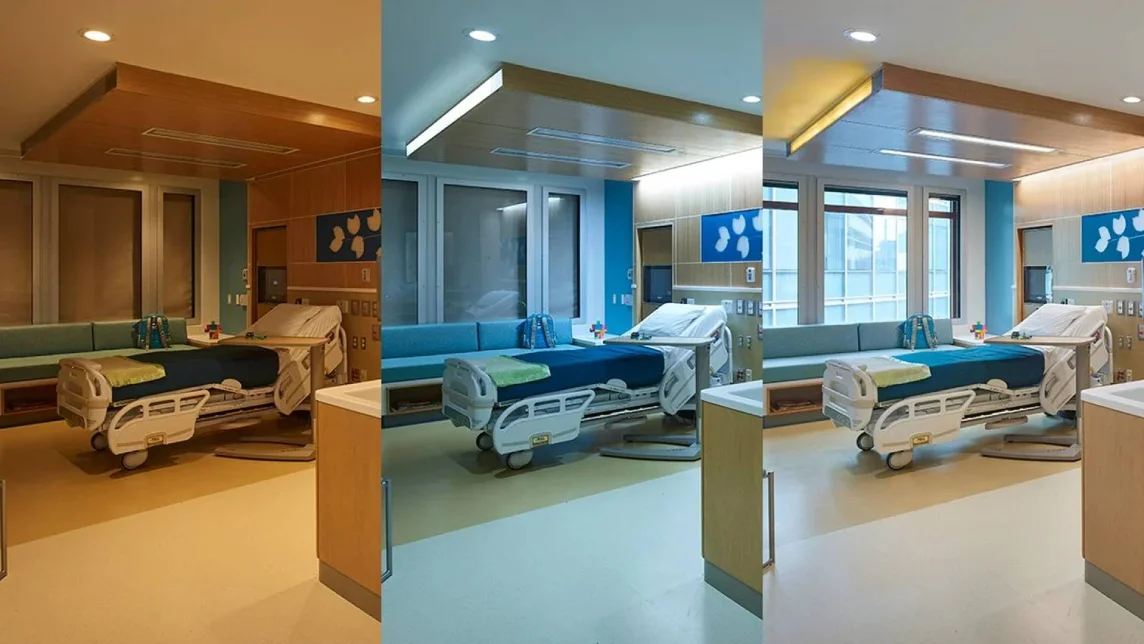
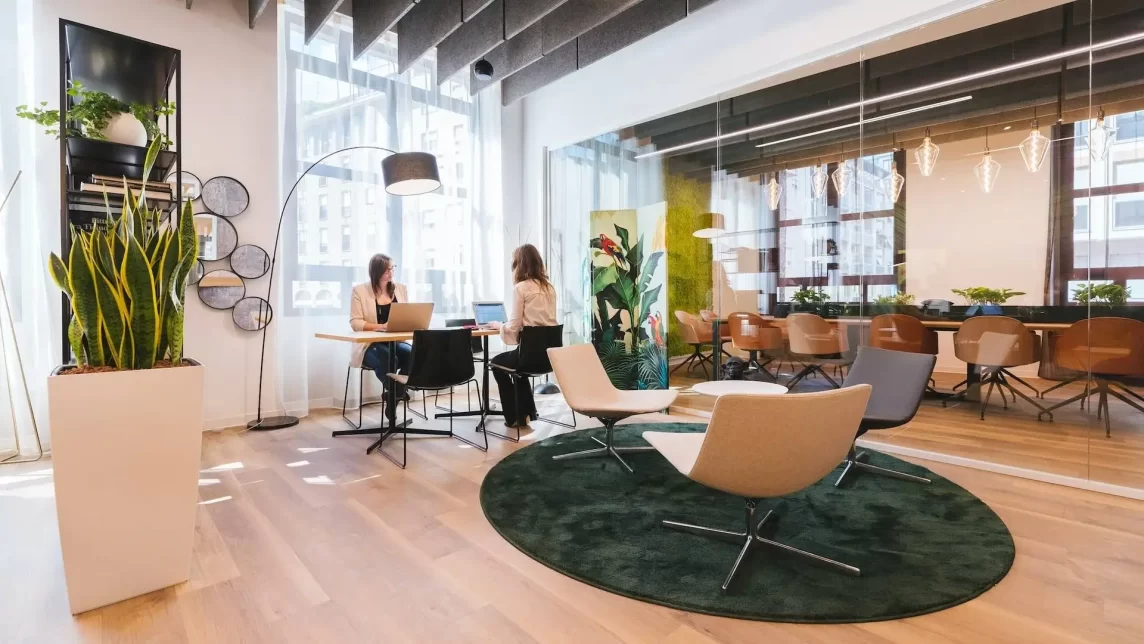
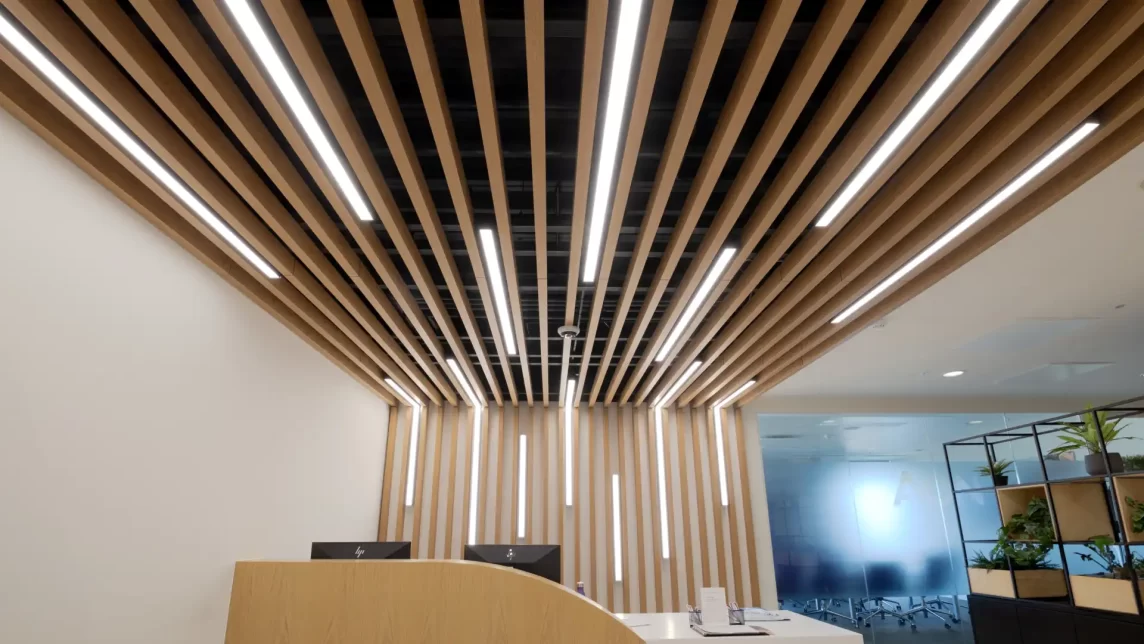
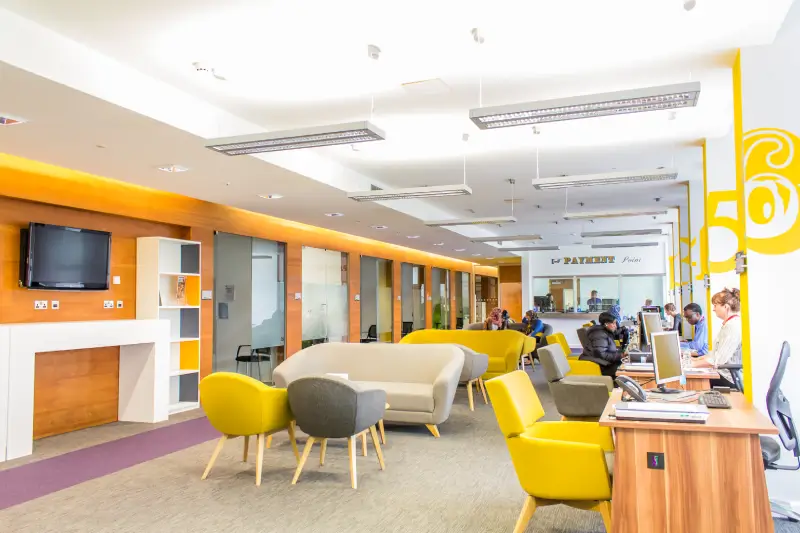
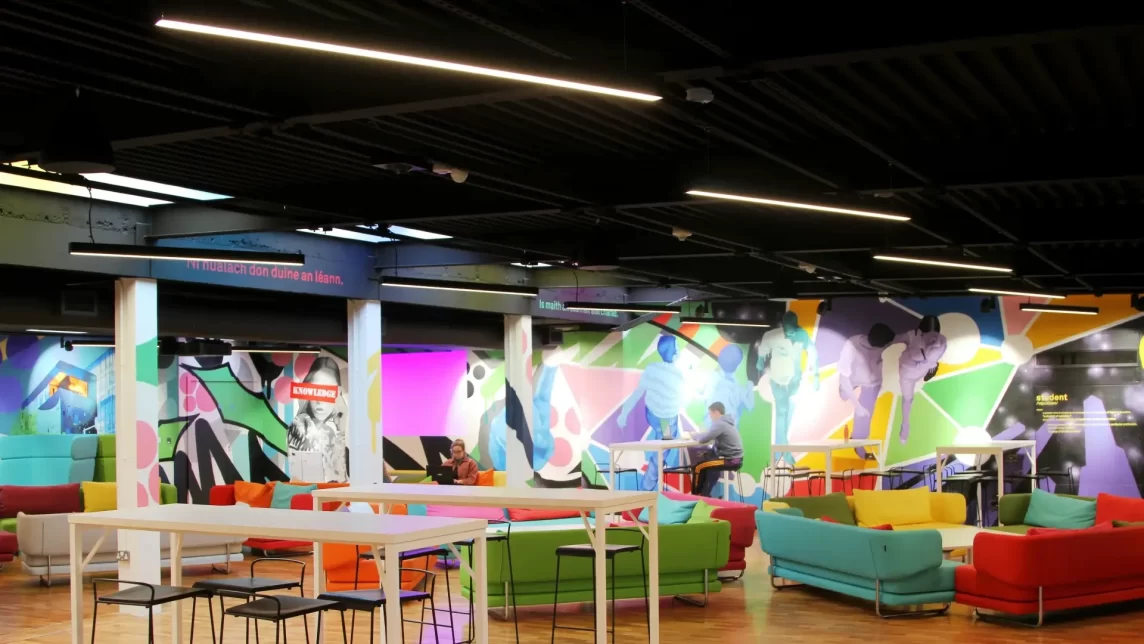
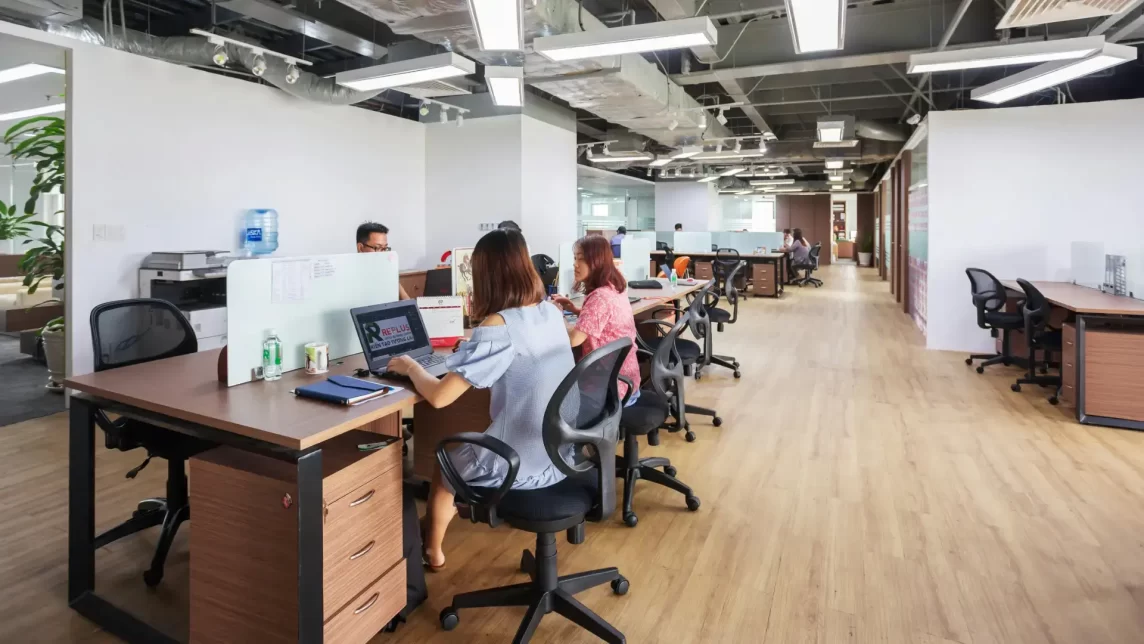
Tamlite embarked on a campaign to raise awareness of the possible benefits of lighting for wellbeing, which is supported by the SLL statement. The latest lighting technology, particularly when supported by a quality lighting design, has reported significant benefits in terms of wellbeing.
The statement indicates that, while there is still further research to be carried out in order to produce a quantifiable metric for the impact of artificial light on the circadian rhythm, current research suggests that lighting does have an impact on our wellbeing.
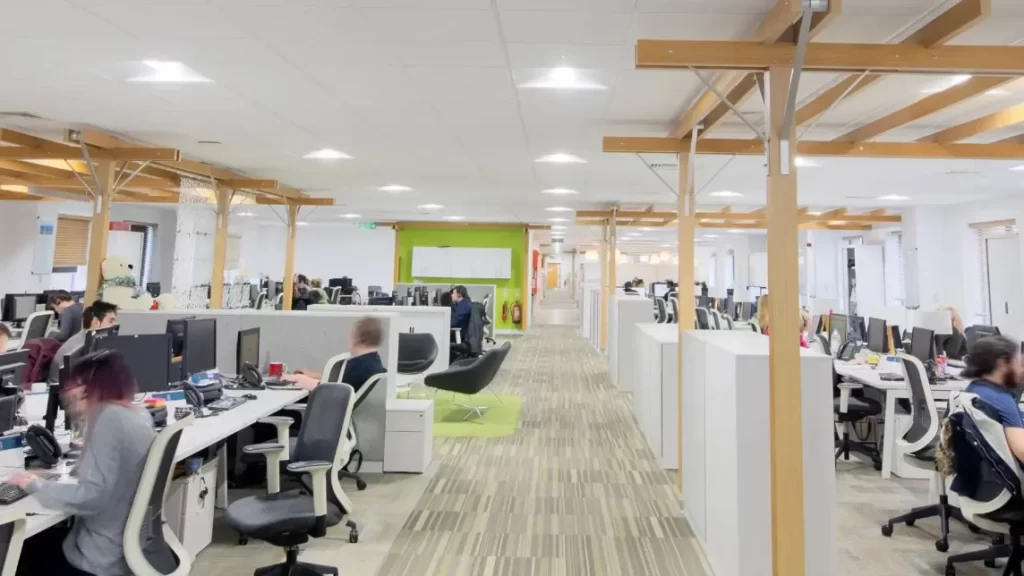
While it is clear that there are plenty of external factors that can influence a person’s circadian rhythm, lighting plays a significant part.
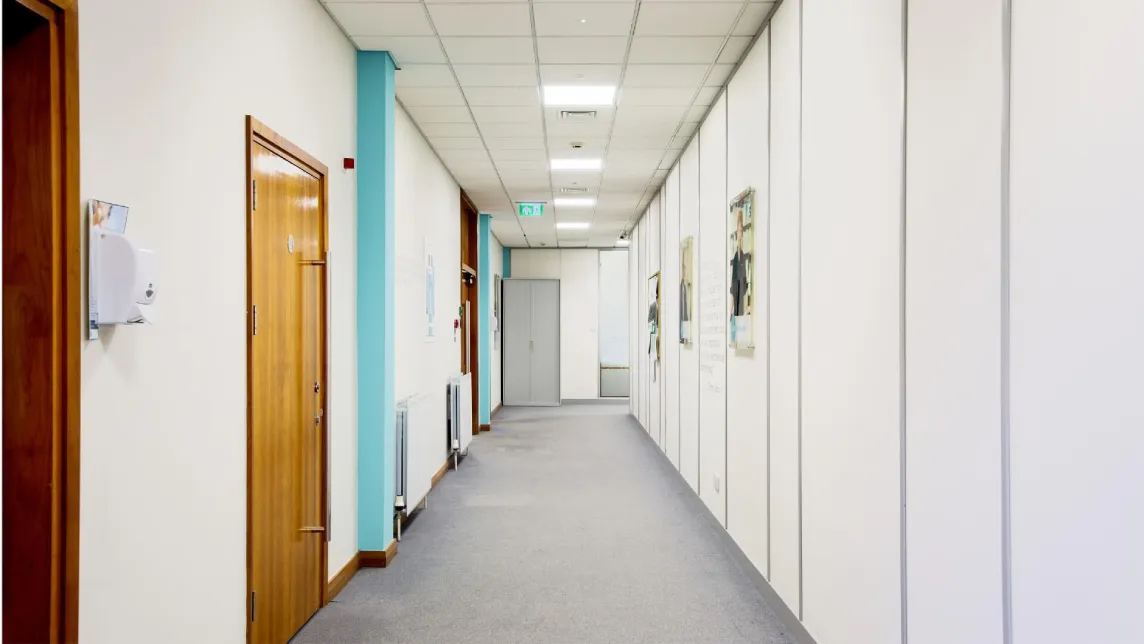
A lighting design that utilises high quality luminaires from a credible lighting manufacturer can deliver the right lighting solution to provide the ideal working environment for staff.
We look forward to seeing the result of the research outlined in the statement, carried out by the SLL, CIBSE and the Building Research Establishment (BRE), understanding the comparable effects of both fluorescent and tunable LED lighting on health and wellbeing.
Read the full SLL position statement
Frequently Asked Questions
The Society of Light and Lighting (SLL) has released a position statement outlining its stance on “Circadian Lighting”. While the SLL indicates that further research is needed to produce a quantifiable metric for artificial light’s impact on the circadian rhythm, current research suggests that lighting does have a significant impact on human wellbeing.
A lighting design that utilizes high-quality luminaires from a credible manufacturer can provide an ideal working environment for staff. The latest lighting technology, when paired with professional design, has already resulted in reported significant benefits for overall wellbeing.
Yes, the SLL, CIBSE, and the Building Research Establishment (BRE) have been involved in research to understand the comparable effects of both fluorescent and tunable LED lighting on health and wellbeing. This research aims to better understand how these artificial light sources influence the body’s internal rhythms.