
Estimated reading time: 4 minutes
Key Takeaways
- The Building Safety Act 2022 prioritises safety in construction, emphasising the importance of high-quality emergency lighting.
- Historically, emergency lighting was an afterthought, leading to risky compliance in safety systems post-Grenfell tragedy.
- Designers must integrate emergency lighting with human-centric designs to ensure occupant safety during emergencies.
- Key considerations for emergency lighting include legal requirements, appropriate lighting design, and regular maintenance and testing.
- Using fully compliant emergency lighting systems, like those from Tamlite, provides effective routes to ensuring safety infrastructure.
Following the UK government’s approval of the Building Safety Act 2022, the message to the construction industry is clear – future buildings where we live, and work must be as safe as possible.
But what role does lighting play within these new horizons?
Historically, lighting has been an afterthought for those in the construction process. This has led to risky spec-breaking when it comes to emergency lighting for safety.
Following the Grenfell tragedy, construction is now in a place where minimum compliance alone cannot be adhered to for new and renovated building projects. Higher quality solutions must be chosen for emergency lighting.
Emergency prioritisation
To ensure no further disasters, and the creation of environments where people feel safe and comfortable, emergency lighting must be a priority in the development and maintenance of all buildings.
While lighting for a human-centric focus should be the core for any new building, emergency lighting has to co-exist alongside it.
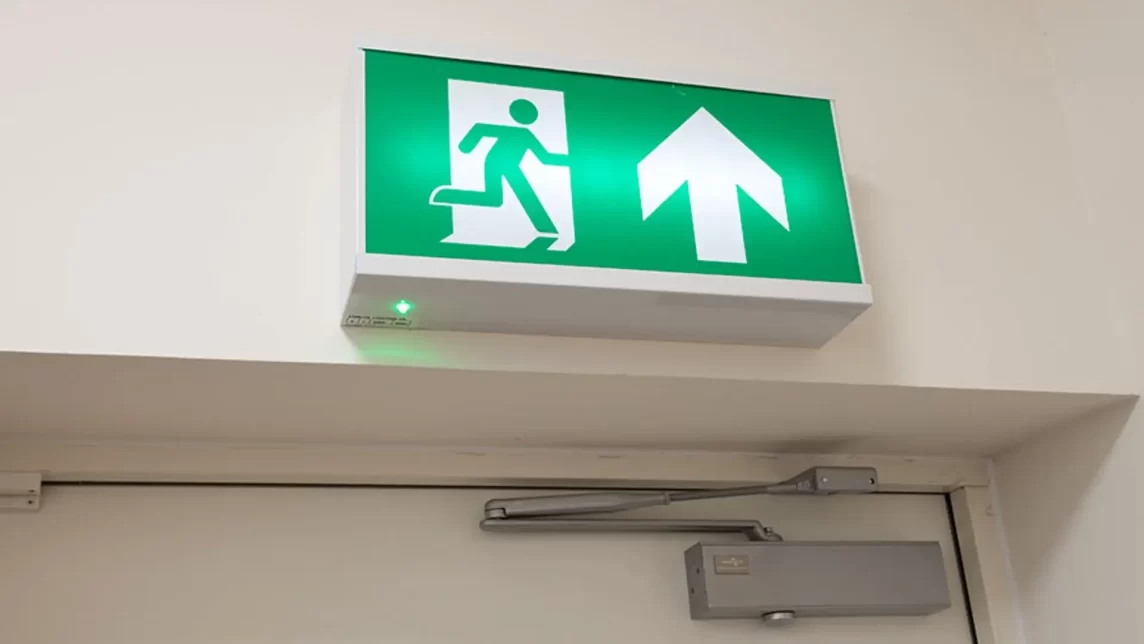
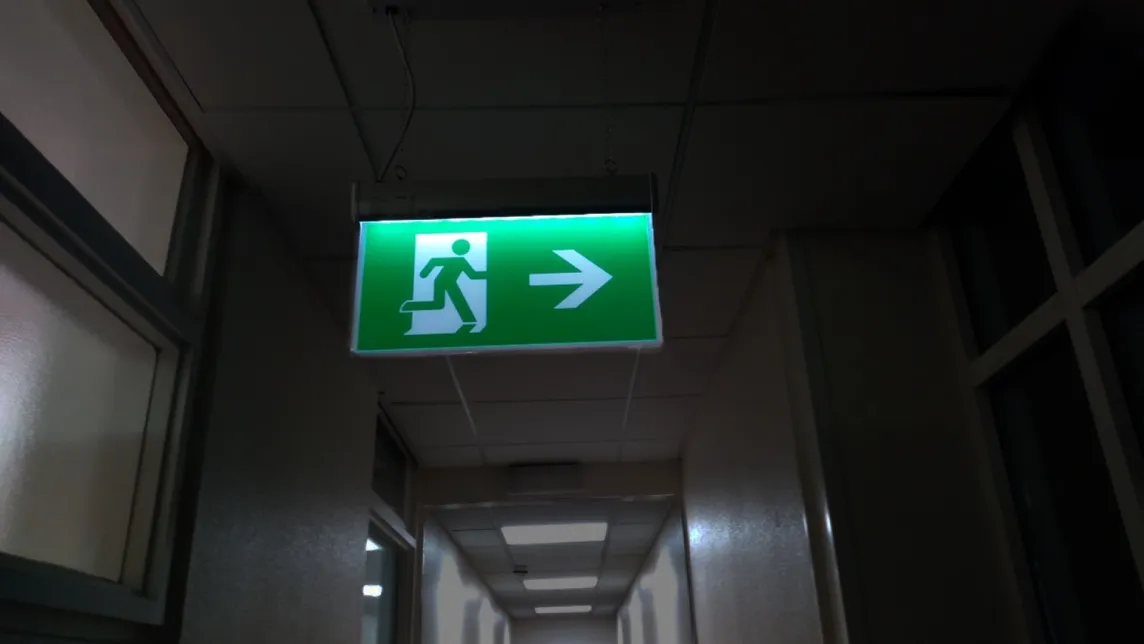
In the event of a mains power failure, the lighting system should provide adequate levels of illumination allowing occupants to move safely around the building.
The safety of the people within a building is of the highest importance, so ensuring they can move effectively in a time of danger and distress will reduce the chance of tragedies occurring.
Considerations
For emergency lighting to serve occupants as best it can, it should consider these aspects:
- Legal requirements – Emergency lighting products must be built and tested in line with British Standards.
- Lighting design – The function of the building or room, and how likely the area(s) are to change over time.
- Maintenance and Testing – Emergency lighting should be maintained and assessed monthly to ensure it is in full working order, including a daily visual inspection and monthly testing.
Tamlite’s BAFE accreditation is as a result of quality emergency lighting system design, using fully industry compliant ‘fit-for-purpose’ luminaires.
Designers can be safe in the knowledge that these products provide the most effective route to achieving an emergency infrastructure that is entirely fit for purpose.
You can download our Emergency Lighting Compliance Checklist here.
Frequently Asked Questions
Following the UK government’s approval of the Building Safety Act 2022 and the Grenfell tragedy, the message to the construction industry is clear: future buildings where we live and work must be as safe as possible. Historically, lighting was often an afterthought, leading to risky spec-breaking for safety systems. Today, relying on minimum compliance alone is no longer acceptable for new and renovated building projects; instead, higher-quality solutions must be selected to ensure occupant safety.
While designing for a human-centric focus should be the core of any new building, emergency lighting must co-exist alongside it to prioritise occupant safety. In the event of a mains power failure, the emergency system must provide adequate levels of illumination so occupants can move safely around the building. Ensuring that people can navigate effectively during times of danger and distress is of the highest importance and reduces the chance of tragedies occurring.
To serve occupants effectively, an emergency lighting infrastructure must consider the following aspects:
Legal requirements: Emergency lighting products must be built and tested in line with British Standards.
Lighting design: The design must account for the specific function of the building or room, as well as how likely those areas are to change over time.
Maintenance and testing: Systems require a daily visual inspection and monthly testing to ensure they remain in full working order.
Using fully industry-compliant, ‘fit-for-purpose’ luminaires, such as those from Tamlite’s BAFE-accredited system design, provides the most effective route to achieving this necessary safety infrastructure.