

Estimated reading time: 5 minutes
Key Takeaways
- Recent updates in the lighting industry include changes to the Building Safety Act and the release of the second edition of RICS Whole Life Carbon Assessment standards.
- Research indicates that proper lighting boosts employee wellbeing and productivity, with 12% higher satisfaction in WELL-certified buildings.
- The LIA hosted the first ICEL Emergency Lighting Conference, gathering industry leaders to discuss new regulations and standards.
- The UK government has delayed new MEPS for lighting products to allow time for compliance, while aiming for improved energy efficiency in buildings by 2035.
- Upcoming regulations under the Energy Savings Opportunity Scheme (ESOS) will introduce stricter compliance requirements by June 2024.
September and October have seen a plethora of change for the lighting industry. This includes the release of updates for the Building Safety Act and the Whole Life Carbon Assessments Standard from RICS. In this edition of T Word Trends, we’re exploring the month’s latest news as well as what’s ahead on the horizon.
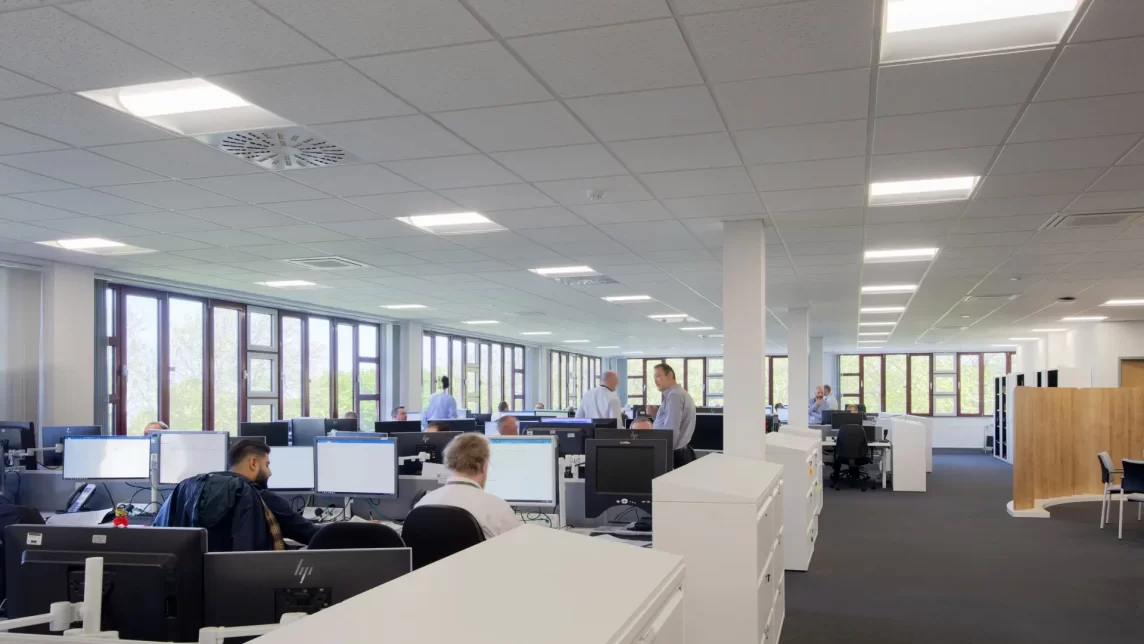
New research published in Building & Environment reinforces that lighting plays a key role in supporting employee wellbeing and productivity. The research found that satisfaction with lighting in buildings which achieved WELL Certification was 12% higher than in non-certified buildings. The study showed that this satisfaction, in turn, translated directly to increased output in productivity. The takeaway? The better the lighting, the better satisfaction for both the employees and the business as a whole.
Emergency lighting conference gathers industry figureheads
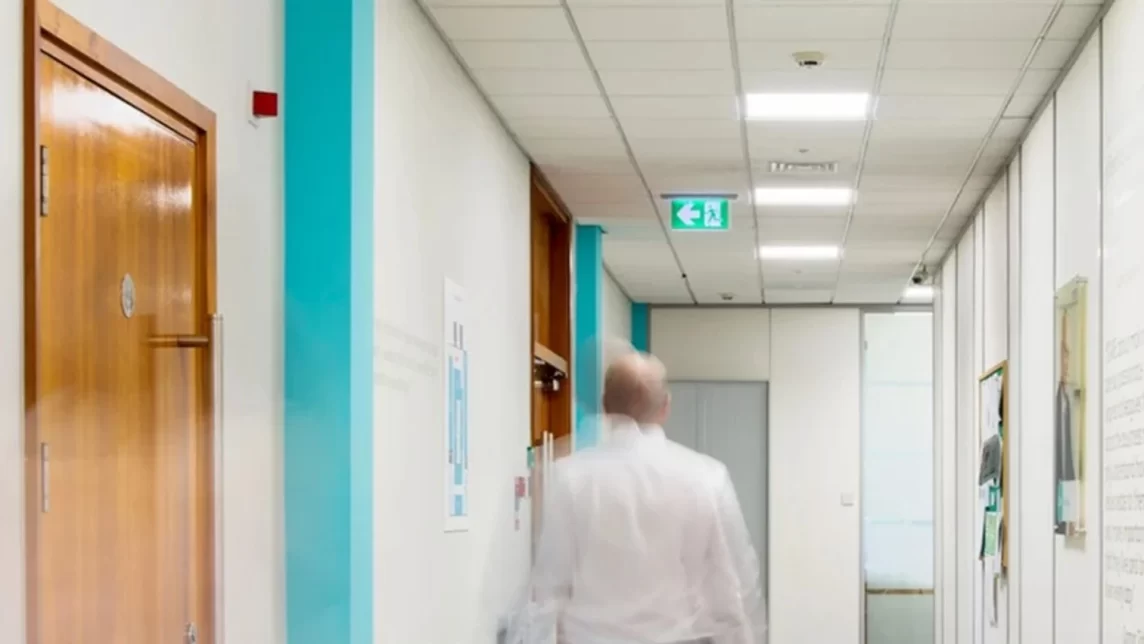
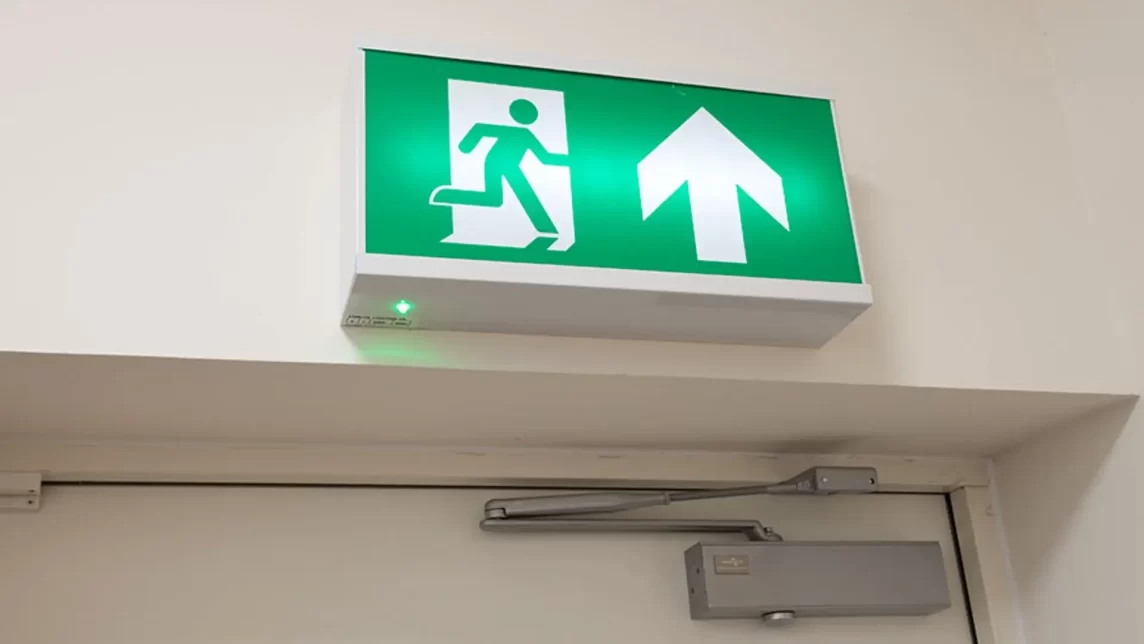
September also saw the Lighting Industry Association’s (LIA) first ever ICEL Emergency Lighting Conference. Key industry stakeholders, from manufacturers to end-users, gathered at the event to learn from industry experts about the developments in emergency lighting standards, legislation, products, and practices.
Ayça Donaghy, CEO of the LIA, said: “It was an honour to be part of this significant event, and we are confident this new conference will become the highlight of the year for the emergency lighting sector.
The LIA is also hosting a series of free Tech Talks that will run until the end of 2023.

Government pushes back multiple energy efficiency measures
In a letter to the LIA, the Department for Energy Security and Net Zero (DESNZ) confirmed it will delay the introduction of new MEPS for lighting products. Their reasoning: the industry needs more time to develop products that conform to new MEPS regulations.
Rishi Sunak also announced a cut back on key energy efficiency dates, including those for landlords. Now, landlords aren’t obligated to improve energy efficiency. Instead, they should make improvements ‘where they can.’ But the UK is still aiming for all homes to be EPC ‘C’ grade or higher by 2035. Non-domestic and commercial buildings must also be EPC grade B by 2025 and 2030, respectively. Transitioning to LED lighting will play a key role in massively decreasing energy consumption.
Building Safety Act releases secondary legislation
As of 1 October 2023, England is facing stricter building controls under secondary legislation from the Building Safety Act.
The act introduces new competency rules for clients, designers, and contractors.
It applies to all building work covered by the Building Regulations 2010, with extra requirements for higher-risk buildings (HRBs). The Building Safety Act also mandates a ‘golden thread’ of information throughout a building project’s lifecycle, with lighting, including emergency lighting, playing a vital role in building safety systems.
Industry leaders, including the Royal Institute of British Architects (RIBA) and the Chartered Institution of Building Services Engineers (CIBSE), support these reforms as a crucial step toward rebuilding trust in the construction industry post-Grenfell.
RICS launches second edition standards
The Royal Institution of Chartered Surveyors (RICS) has launched the second edition of its Whole Life Carbon Assessment for the Built Environment (WLCA) standard. A public consultation held in March 2023 garnered more than 1,300 replies on the first edition of the standard. Recommendations were applied to a global version of the standard that RICS says ‘provides a considerably more developed understanding of the carbon costs and benefits of design choices in construction and infrastructure projects and assets’.
Looking forward…
On the horizon, the Energy Savings Opportunity Scheme (ESOS) compliance deadline is set for June 2024. The Phase 3 requirements have been strengthened, with Phase 4 set to become even more strict. Stay tuned for T Word’s inside guide to ESOS and the lighting sector.
Frequently Asked Questions
Research published in Building & Environment shows that lighting is key to supporting employees. Workplace satisfaction with lighting was 12% higher in buildings that achieved WELL Certification compared to non-certified buildings. The study revealed that this increased satisfaction translates directly into higher productivity and business output.
On 1 October 2023, England implemented stricter building control regimes via secondary legislation under the Building Safety Act, creating a mandatory digital “golden thread” of safety information where emergency lighting plays a critical role. Concurrently, DESNZ delayed the implementation of new lighting MEPS to allow manufacturers development time, whilst the UK maintains its target for non-domestic buildings to achieve an EPC grade B by 2030.
The Royal Institution of Chartered Surveyors (RICS) launched the second edition of its WLCA standard following a public consultation that received over 1,300 responses. Updated to serve as a global framework, it provides a highly developed understanding of the carbon costs and benefits of design choices across all built assets and infrastructure projects throughout their lifecycle.