
Estimated reading time: 6 minutes
Key Takeaways
- As winter approaches, lighting plays a crucial role in supporting a healthy workplace and enhancing employee wellbeing.
- Poor lighting can lead to issues like eye strain and low productivity, while effective lighting supports physical and mental health.
- A holistic approach involves collaboration among teams to ensure lighting meets both visual and non-visual needs.
- Implementing lighting solutions such as LED, smart, circadian, and biophilic lighting can improve workplace wellbeing and environment.
- Lighting for wellbeing is essential for creating a motivated, happy, and engaged workforce throughout the year.
As the days shorten with the approach of winter, lighting’s role in supporting a healthy and productive workplace environment is moving to centre stage.
It’s the time of year when greater collaboration, shared understanding, and communication – between building services and the Talent and HR teams is critical. Why? Because a lack of access to natural light and poorly designed artificial lighting can be detrimental to employee wellbeing.
In fact, multiple research reports strongly suggest that poor lighting can contribute to depression, especially in the winter months. A lack of access to natural light, or quality artificial light, is thought to be a contributing factor to Seasonal Affected Disorder (SAD). This potentially debilitating condition affects around 2 million people in the UK, according to the NHS.
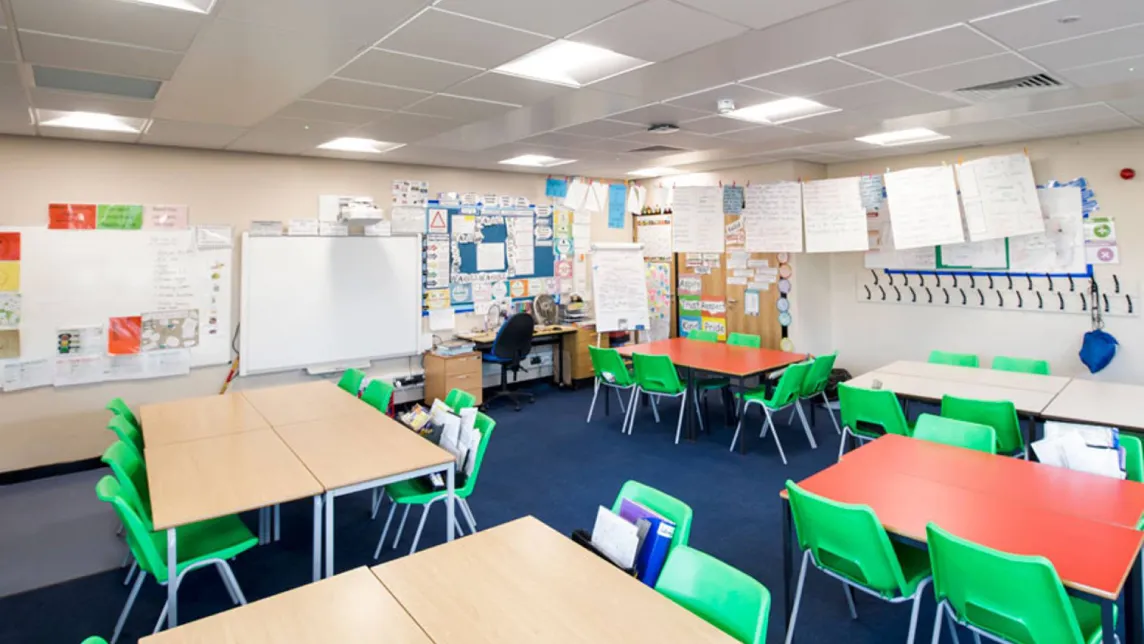
Inadequate lighting can cause eye strain, headaches, and fatigue, ultimately resulting in lower job satisfaction and productivity. Some types of artificial lighting can also disrupt the body’s natural circadian rhythm, negatively affecting sleep quality and overall health.
A holistic approach to workplace lighting
On the flipside, a growing body of evidence points to the importance of lighting in promoting a healthy and positive workplace environment. As a result, those responsible for lighting are increasingly shifting the focus to meeting the non-visual needs of people as much as the visual needs. Non-visual factors include heart rate and body temperature fluctuations, and the body’s circadian rhythm. All these factors are affected by both natural and artificial lighting.

5 ways to improve employee wellbeing with lighting
If you are a HR/Talent professional and you are responsible for supporting (and optimising) the wellbeing, performance and productivity of your workforce, here are four ideas for lighting systems that can help support your aims as we enter the winter months:
1. Communication and collaboration are key
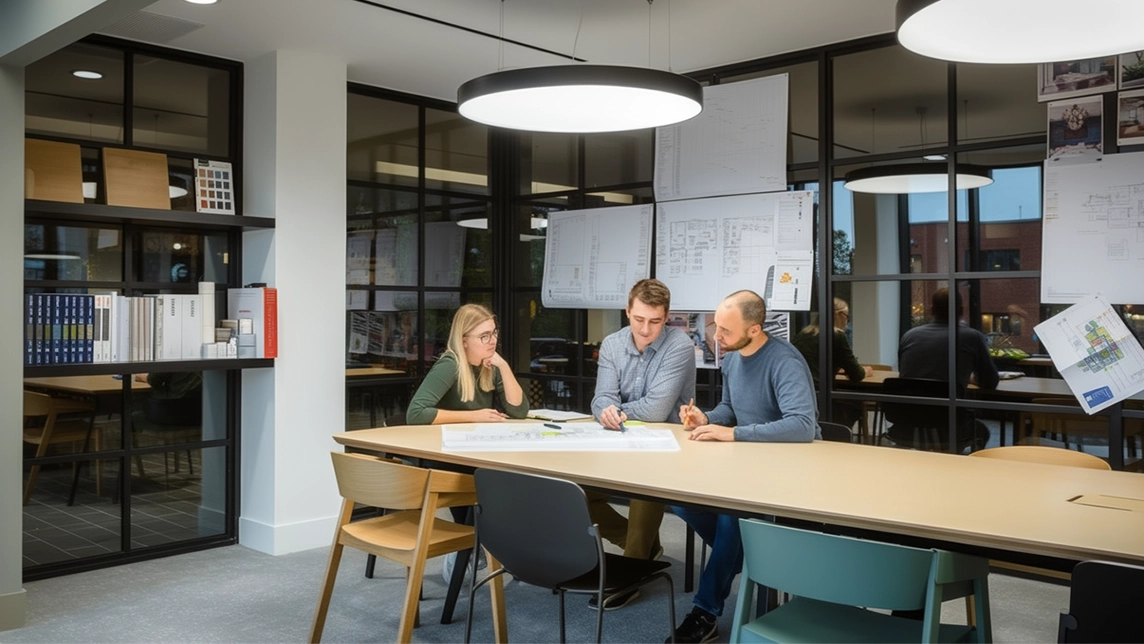
At T-Word, we take the view that lighting should never sit in a ‘silo’ – we recommend gathering key stakeholders (HRs, FMs, H&S and building engineers) together to understand what you need your lighting to achieve and how it can (positively) influence the workplace. Whether you’re considering an upgrade to your existing lighting scheme, or designing a brand-new space, it’s vital to understand each discipline’s different perspective and motivations. By sharing ideas and discussing what’s possible – the project will have far better outcomes. Don’t forget: the smallest of changes can make a significant difference to employee wellbeing and safety – and to your energy consumption.
These days, all this data (and verbal feedback) can be measured, monitored and reported on as part of your wider ESG goals.
2. LED lighting
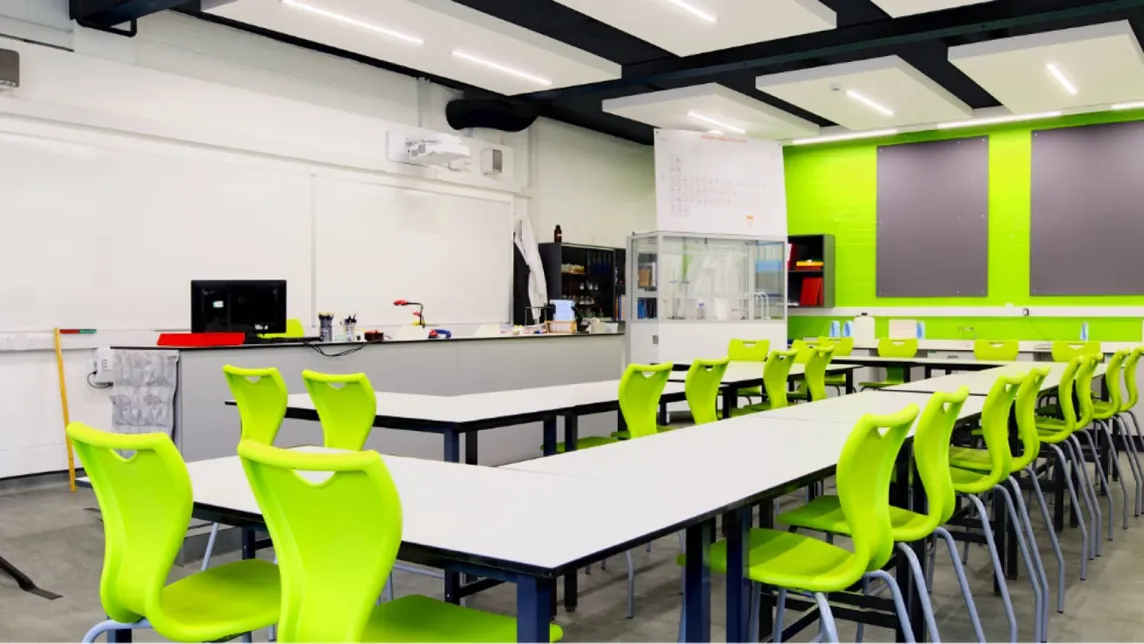
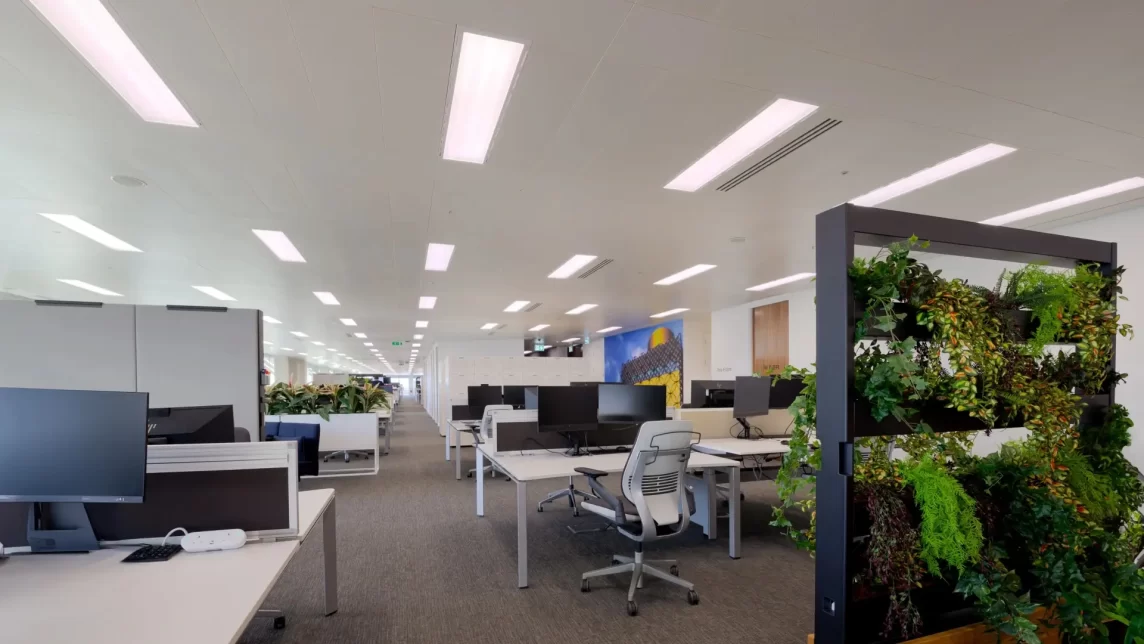
LED lighting is now the default choice for offices due to its high quality, energy efficiency, long lifespan, and low maintenance requirements. The intensity of LED lighting can also be easily controlled. Providing a brighter, more vibrant environment when required, or softer lighting as needed.
3. Smart lighting
Wireless lighting systems that can be controlled and programmed using a smartphone or other smart device. Smart lighting allows for greater control and customisation of lighting environments, as well as improved energy efficiency. According to the HSE, studies have shown that giving workers, in open plan offices, local control of lighting can increase job satisfaction and decrease stress.
4. Circadian lighting
Human-centric lighting that is designed to support the natural 24-hour rhythm of the human body. It involves adjusting the colour temperature and intensity of lighting throughout the day to mimic the changing intensity of natural daylight. Changing the number of blue wavelengths in the lighting system is a key part of this approach. This is because of the role these wavelengths play in telling the brain it is daytime, influencing alertness. Recent research confirms that many in the global academic community now support the notion that circadian lighting can improve sleep quality, reduce fatigue, and enhance mood.
5. Biophilic lighting
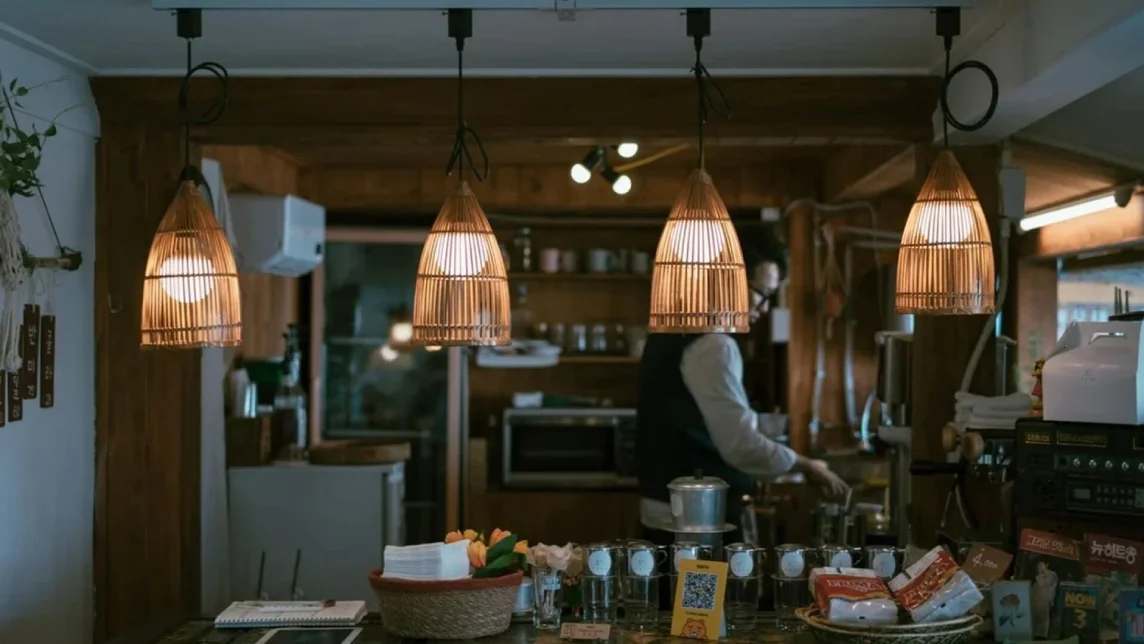
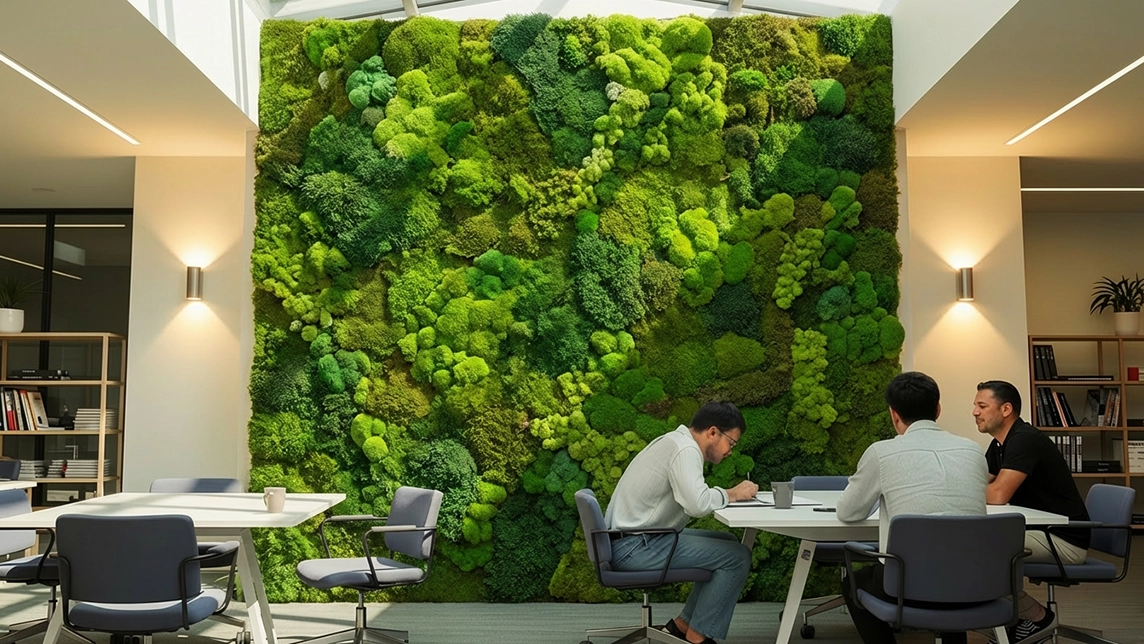
A design approach that incorporates natural elements, such as plants and natural materials, into lighting systems to create a more natural and calming environment.
A lighting system that considers a broad range of wellbeing factors can create a healthier, and more productive work environment. This means a more engaged, motivated, and happier workforce – all year round.
Tamlite has long championed lighting for wellbeing. We offer a comprehensive range of LED lights for workplaces across a range of settings. We have developed a CPD on Lighting for Wellbeing, verified by CIBSE – drop us a line or follow the links to find out more.
Frequently Asked Questions
A lack of access to natural light and poorly designed artificial lighting can be highly detrimental. According to the NHS, it can contribute to depression and Seasonal Affective Disorder (SAD), a potentially debilitating condition affecting around 2 million people in the UK. Inadequate lighting also causes eye strain, headaches, and fatigue, while disrupting the body’s natural circadian rhythm, which degrades sleep quality and health.
Lighting should not sit in a silo. Bringing together HR, Facilities Management, Health & Safety, and building engineers ensures that a lighting scheme meets the non-visual needs of people (such as heart rate and circadian rhythms) alongside their visual needs. This shared understanding leads to better project outcomes, boosting job satisfaction and productivity while lowering energy consumption.
Smart Lighting: Programmable wireless systems controlled via smart devices. HSE studies show that giving workers local control over their lighting increases job satisfaction and decreases stress.
Circadian Lighting: Human-centric systems that adjust colour temperature and blue wavelengths throughout the day to mimic natural daylight. This supports the body’s 24-hour rhythm, which improves sleep quality, reduces fatigue, and enhances mood.