
Estimated reading time: 4 minutes
Key Takeaways
- UK productivity output is below global standards, and improving employee wellbeing can boost productivity.
- Natural light enhances engagement and reduces sick leave, leading to increased productivity.
- Optimal temperature settings for LEDs can significantly affect focus and productivity throughout the workday.
- Task lighting should cater to specific job requirements, improving personalisation in workspaces.
- Lighting design needs to avoid glare and distractions to support wellbeing, motivating employees and enhancing productivity.
The Office for National Statistics has reported for some time now that the UK productivity output is below global standards.
When compared to that of France and the USA, the UK’s productivity was around 15% lower than both of these countries.
So how do we meet the productivity-per-hour levels of our peers?
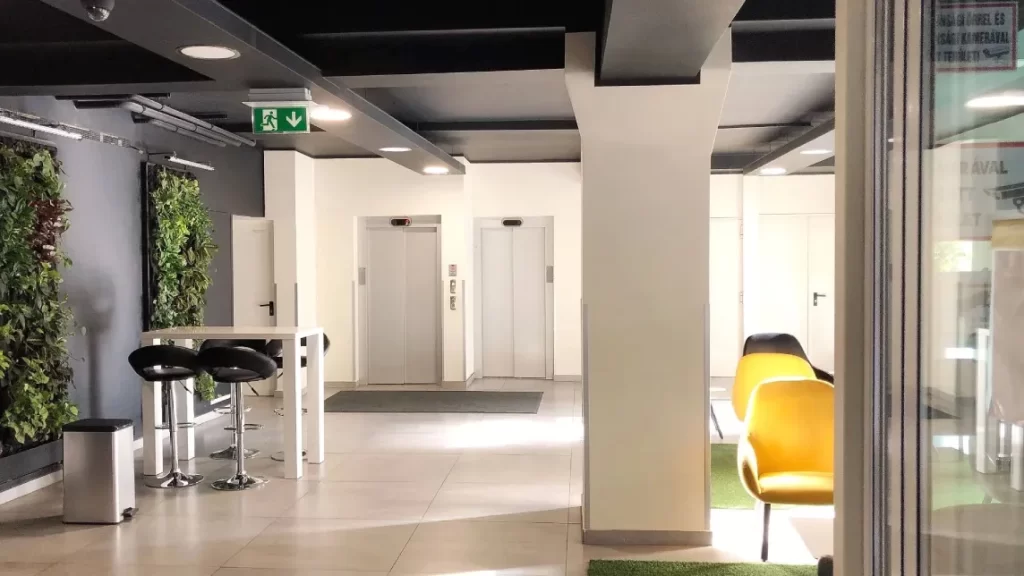
One way to ensure employees are given a good foundation for focus and wellbeing is through the lighting they work in. And wellbeing is the key here, as a study has shown that 38% of employees lose 60 minutes of time when their wellness is hampered.
To avoid this loss of time and therefore productivity, there are key factors to be considered for productive lighting.
1. Natural Light
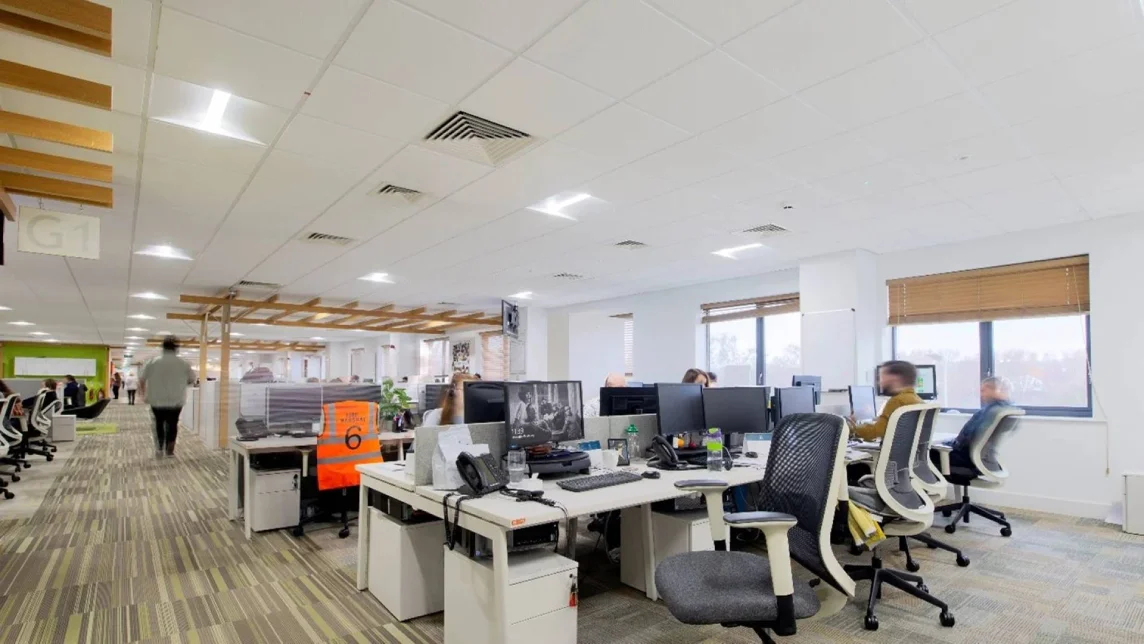
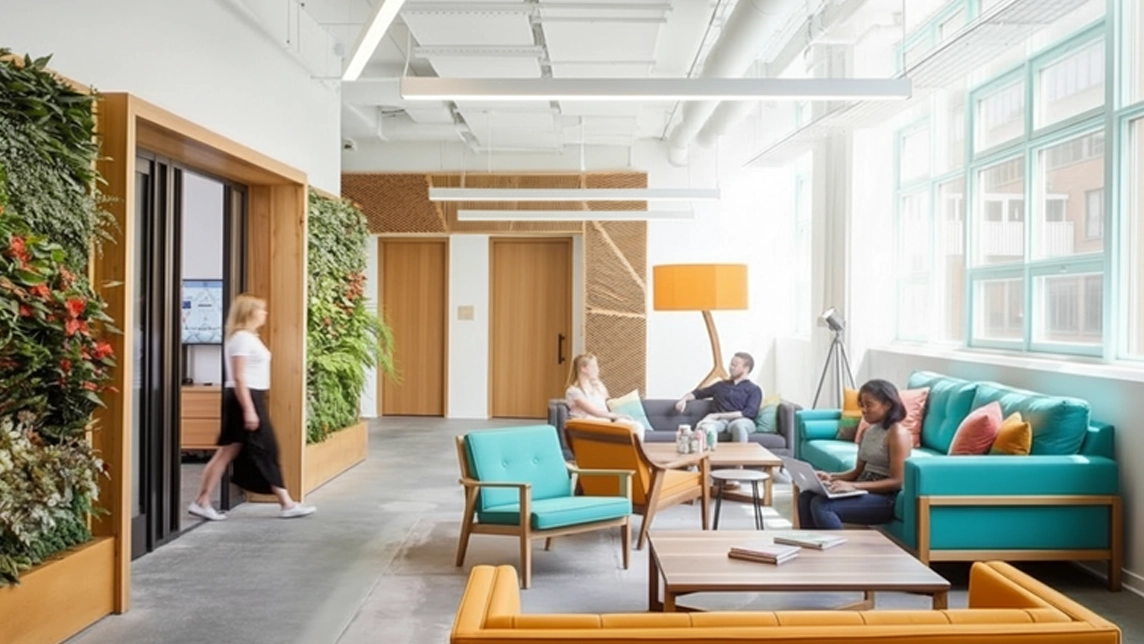
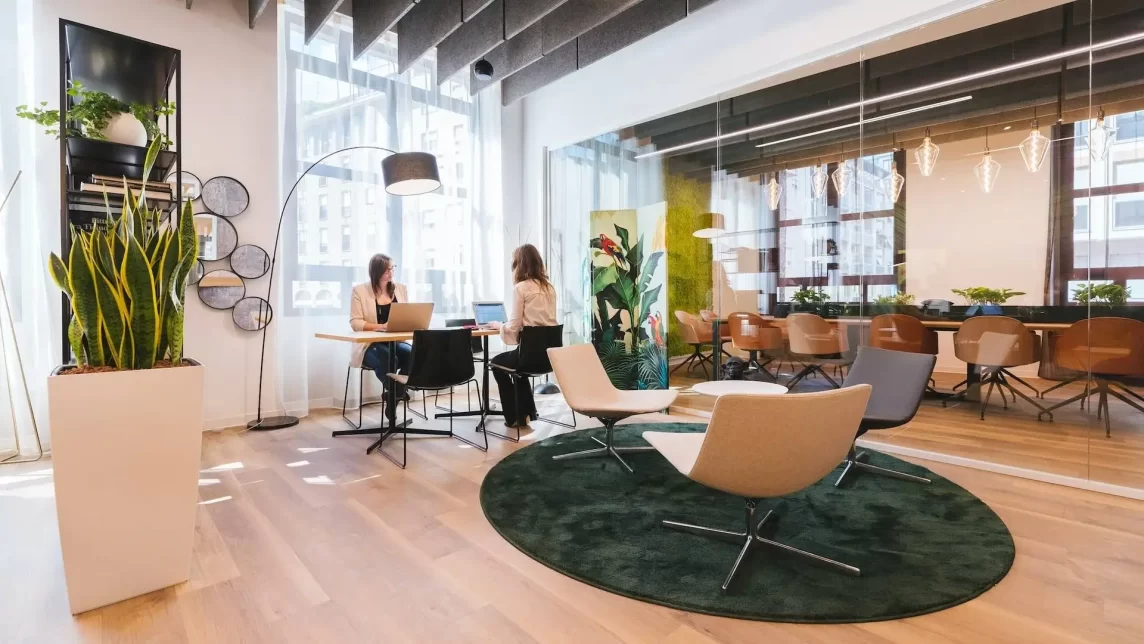
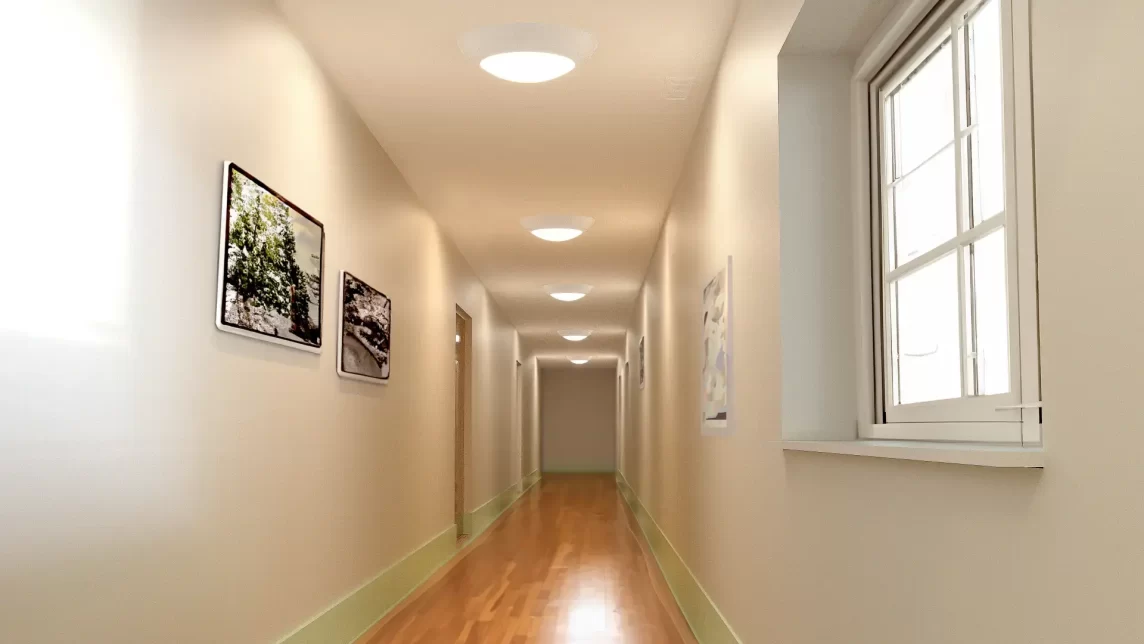
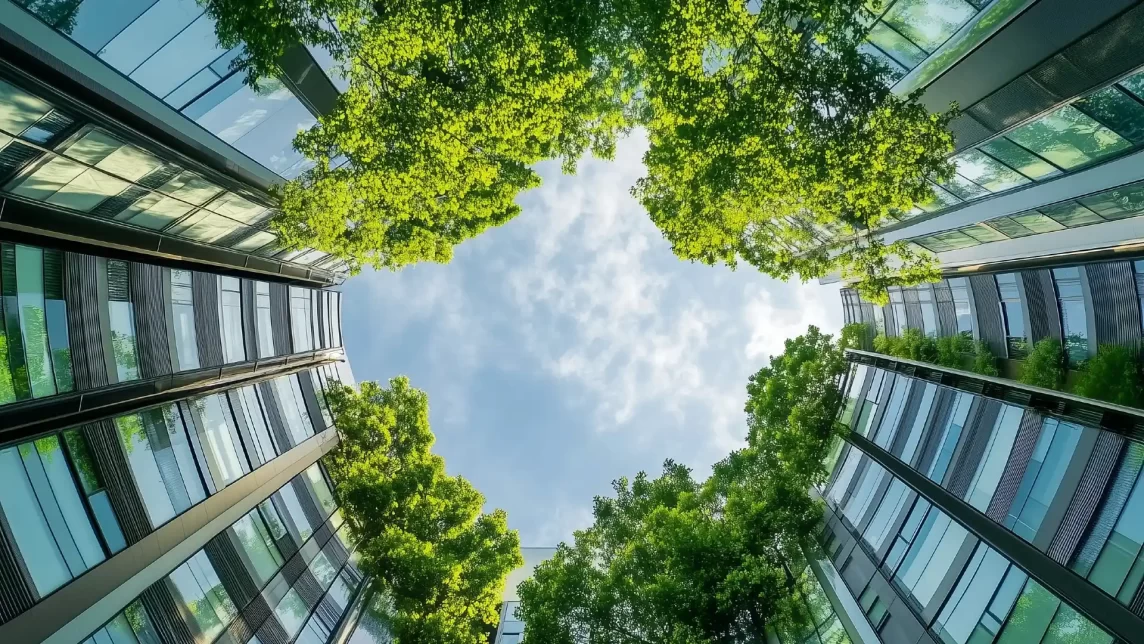
Natural light, when working harmoniously alongside LEDs, creates environments where people feel more engaged and attentive – increasing productivity. In fact, a study from Cornell University has shown that workers in environments with more natural light took 6.5% less sick leave than those who worked in less.
2. Temperature
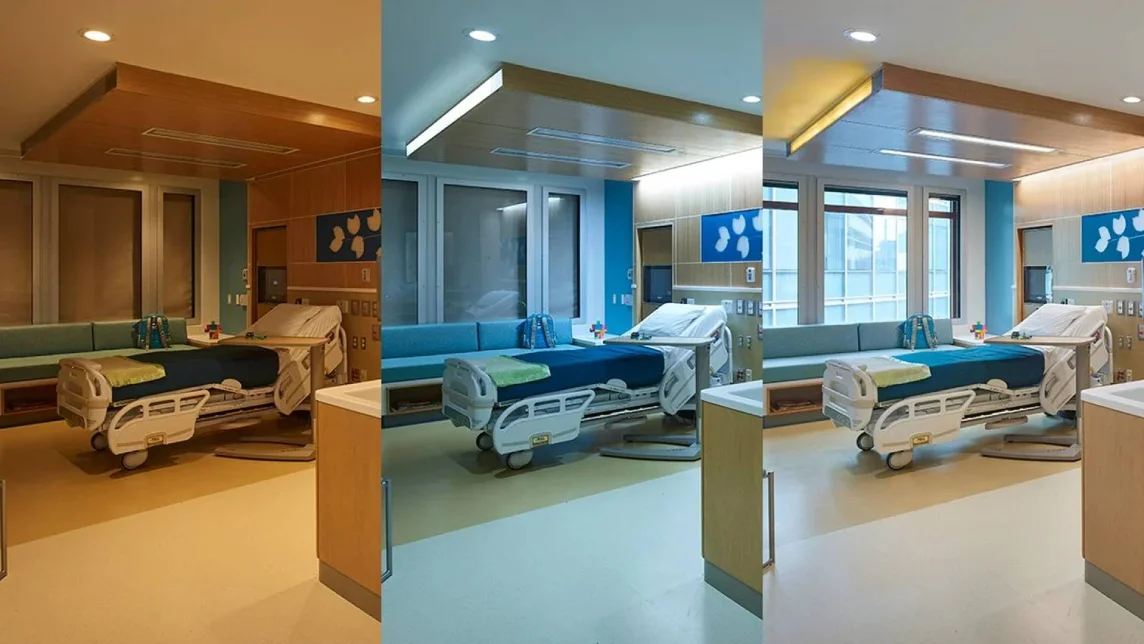
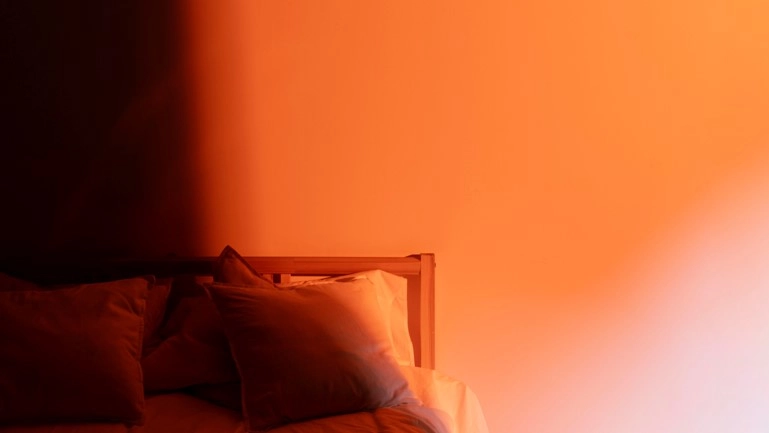
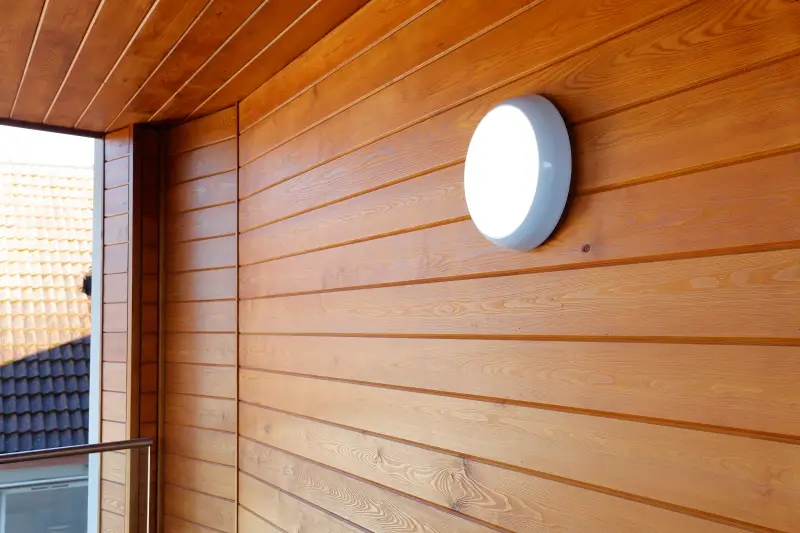
The warmth of the LEDs used in work area plays a huge role in worker focus. Temperatures of around 3000K tends to result in higher workplace productivity throughout the day, while around 6500K is appropriate towards the end of the day.
3. Task Lighting
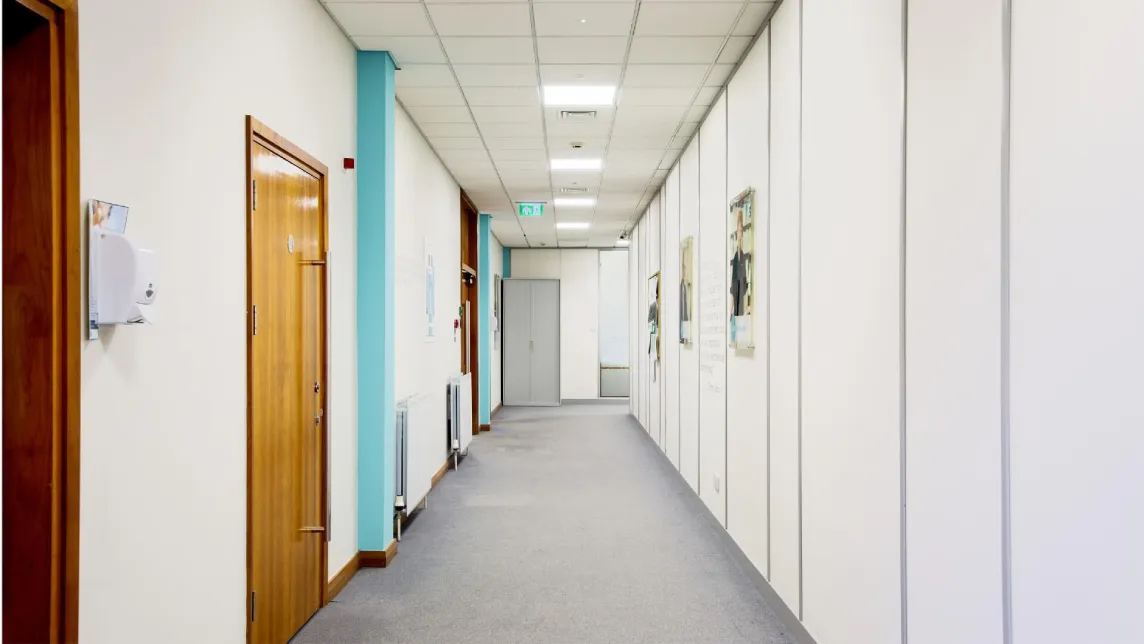
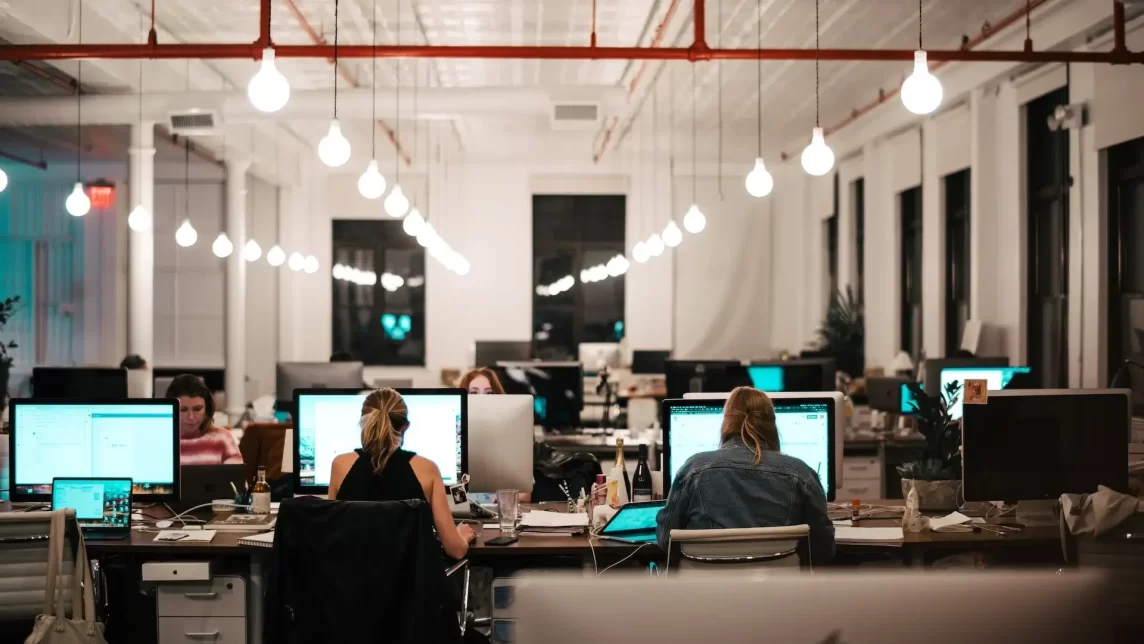
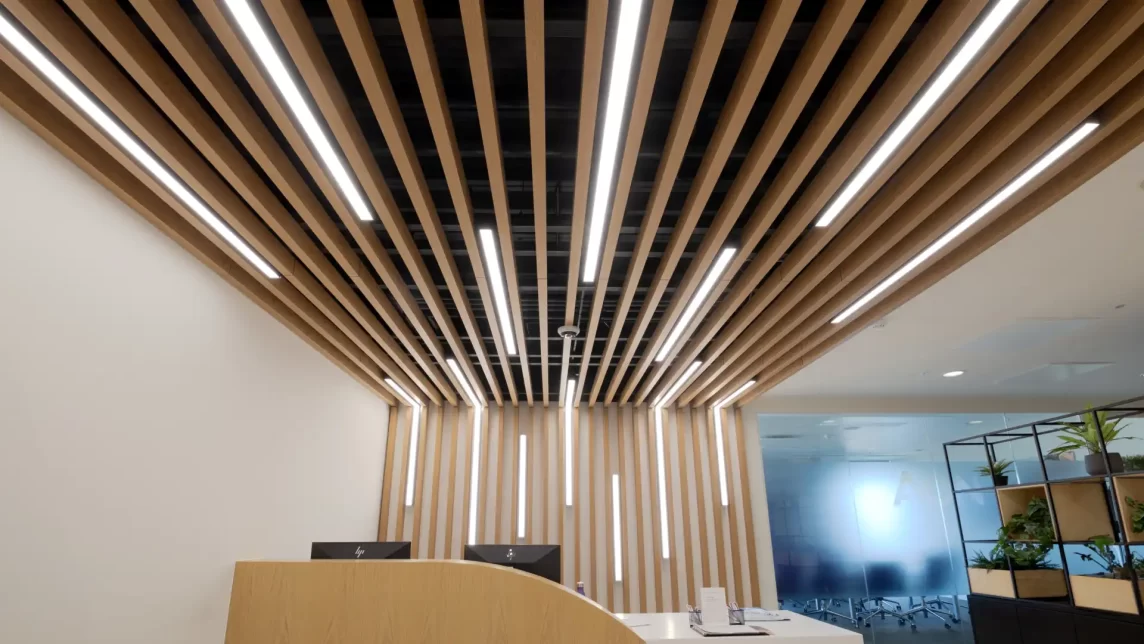
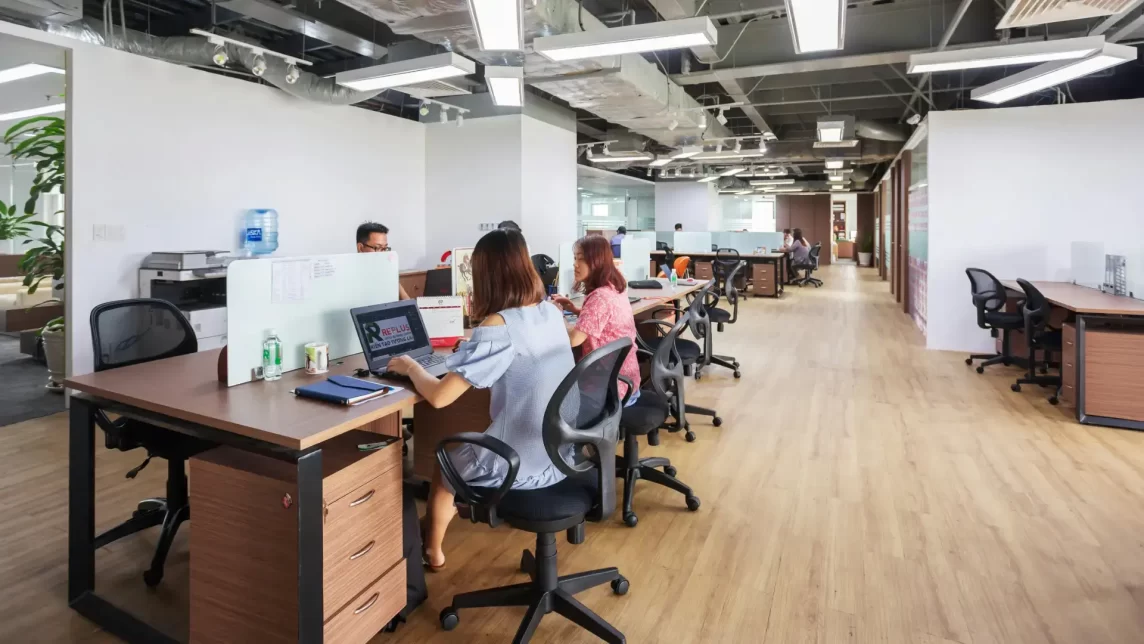
In modern offices and work areas, employees desire a more personalised lighting design that caters to their specific job. Task lighting refers to creating a lighting layout that focuses the light on their workspace- dependant on what they do.
4.Intensity
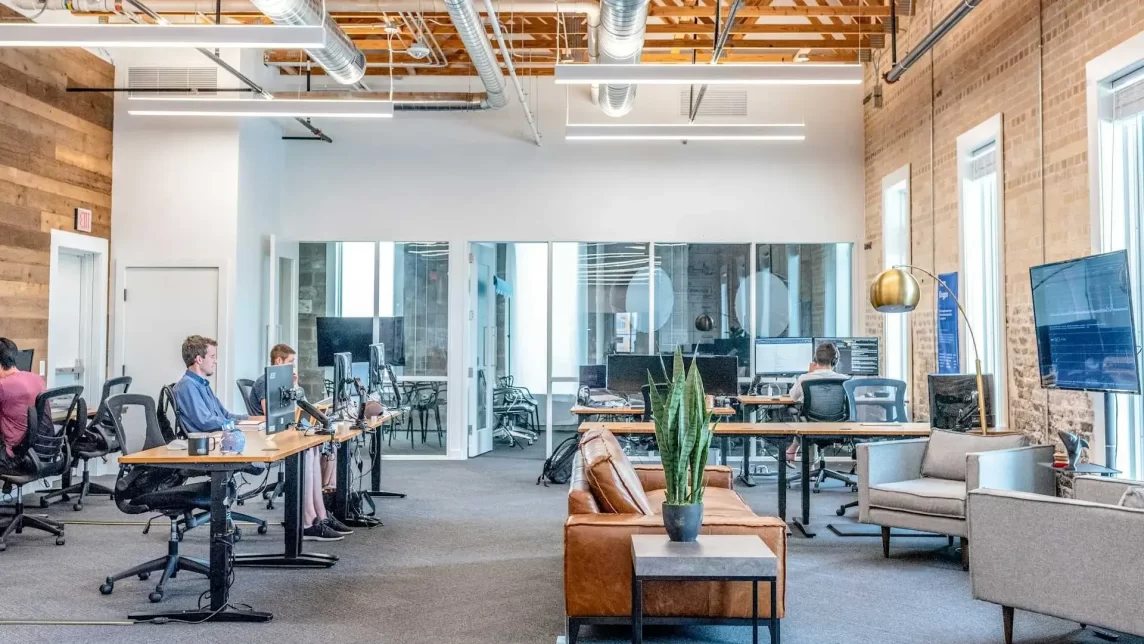
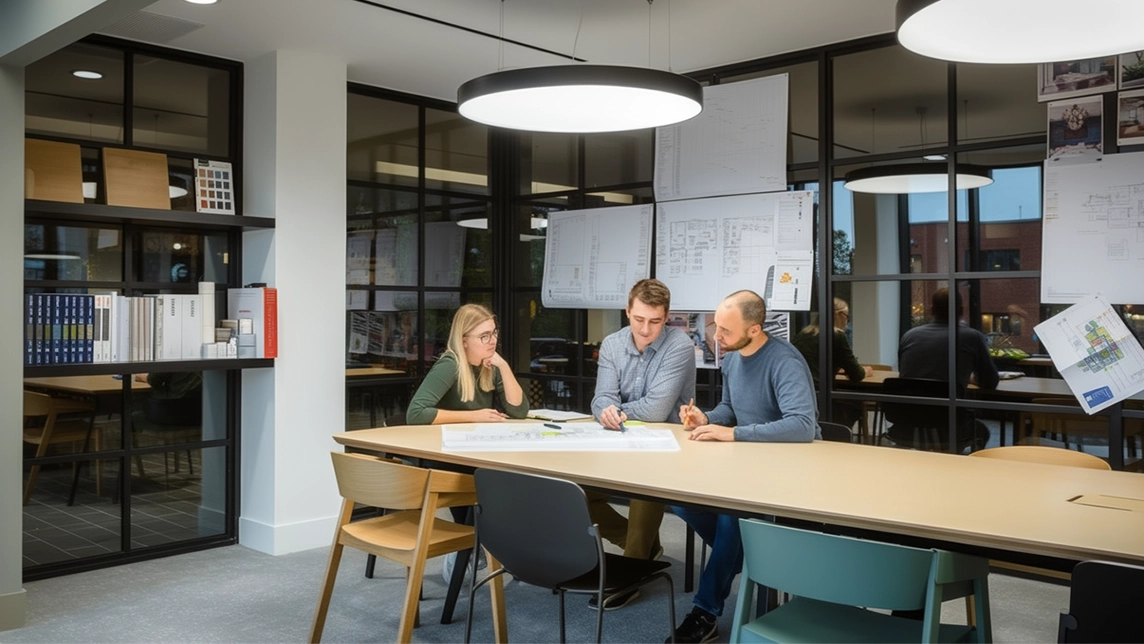
The most important thing to consider when lighting for productivity is lighting for wellbeing. Using LEDs in a design that avoids glare and distractions works to reduce worker stress and keep them motivated and focused. In turn, this ensures spaces are welcoming and keeps productivity at a high level for those within them.
Frequently Asked Questions
The Office for National Statistics has reported that UK productivity output is below global standards, sitting around 15% lower than that of both France and the USA. Improving the physical workspace, specifically the lighting employees work in, provides a strong foundation for focus and wellbeing. This is crucial for performance, as research has shown that 38% of employees lose 60 minutes of time when their wellness is hampered.
Both natural light and carefully selected LED colour temperatures are key factors in maintaining worker focus:
Natural Light: When working harmoniously alongside LEDs, natural light creates environments where people feel more engaged and attentive. A Cornell University study showed that workers in environments with more natural light took 6.5% less sick leave than those who did not.
Temperature: The warmth of the LEDs heavily influences focus. Colour temperatures of around 3000K tend to result in higher workplace productivity throughout the day, whereas temperatures around 6500K are appropriate towards the end of the day.
Task lighting and intensity directly influence motivation by creating a more tailored, comfortable environment:
Task Lighting: Employees in modern offices desire a more personalised lighting design that caters to their specific job by focusing the light directly on their workspace.
Intensity: Designing LED layouts to avoid glare and distractions reduces worker stress while keeping staff motivated and focused. Prioritising wellbeing in this way ensures that work areas remain welcoming and productivity stays at a high level.