
Estimated reading time: 4 minutes
Key Takeaways
- Lighting significantly impacts our wellbeing by supporting our circadian rhythm.
- Minimising blue light at night is essential for quality sleep and hormonal balance.
- Smart lighting systems adjust colour temperature according to the time of day, enhancing comfort and productivity.
- Daylight’s natural shift from blue in the morning to warmer hues in the evening influences our mood and relaxation.
- There is a growing demand for living spaces that prioritise wellness, making effective lighting to improve wellbeing increasingly valuable.
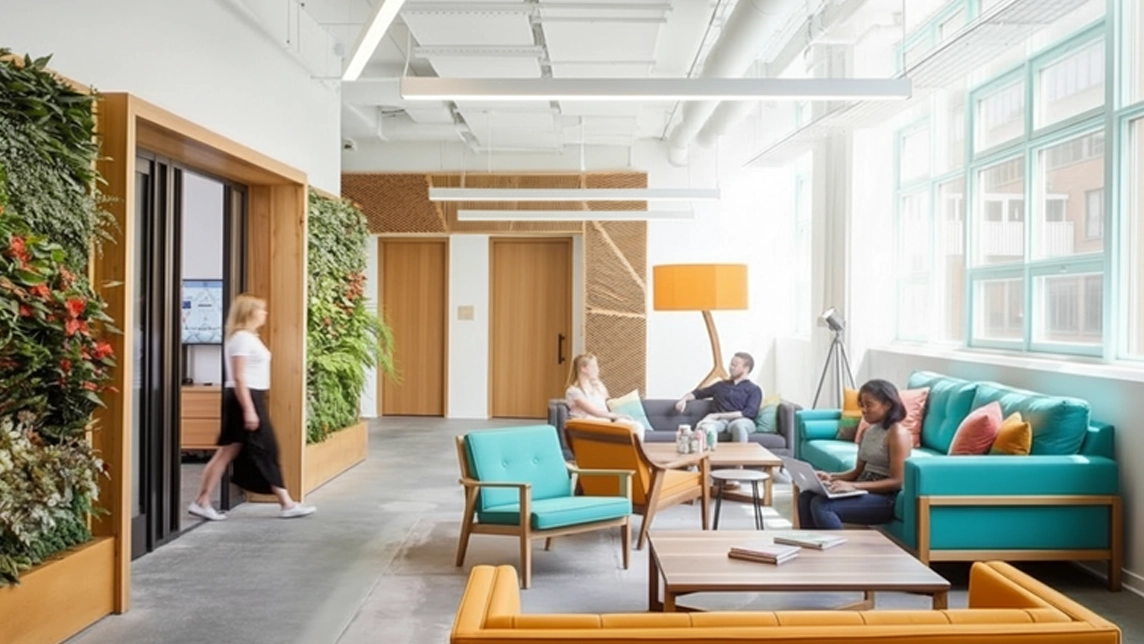
We spend much of our time out of the house, in the workplace and on the move. But, when we are at home, we often want to relax, unwind and recharge our batteries before the next busy day. That’s why it is so important to ensure that the home is geared around wellness and comfort, as well as enjoying ourselves.
Light plays a critical role in enhancing our wellbeing, complementing our “circadian rhythm”. This is a natural cycle in tune with the 24 hour day/night rotation. It is our internal body clock, ensuring our hormones are regulated, we wake up bright and early in the morning but get to sleep when we need to at night.
A link has been found to blue light and an increase in the production of cortisol in the human body, the hormone which wakes us up and gets us alert in the mornings. This is why minimising blue light intake at night is crucial to ensuring a good night’s sleep.
Blue Light
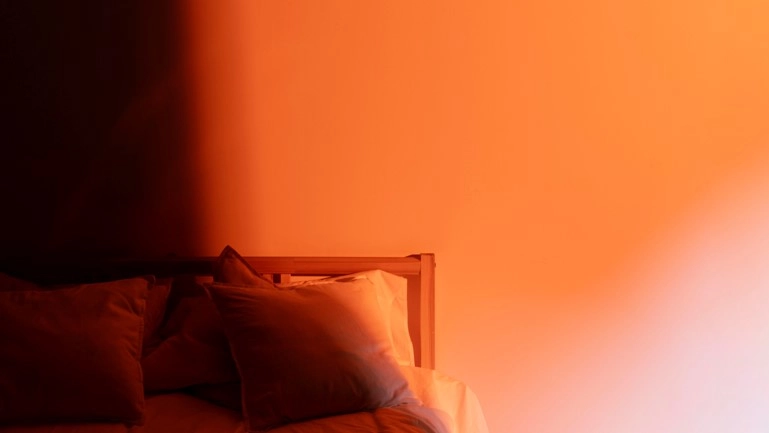
As daylight tends to be more blue in the morning and a warmer, orange hue in the afternoon, and we are in sync with natural light, this explains why we are better off with reduced blue light in the evenings.
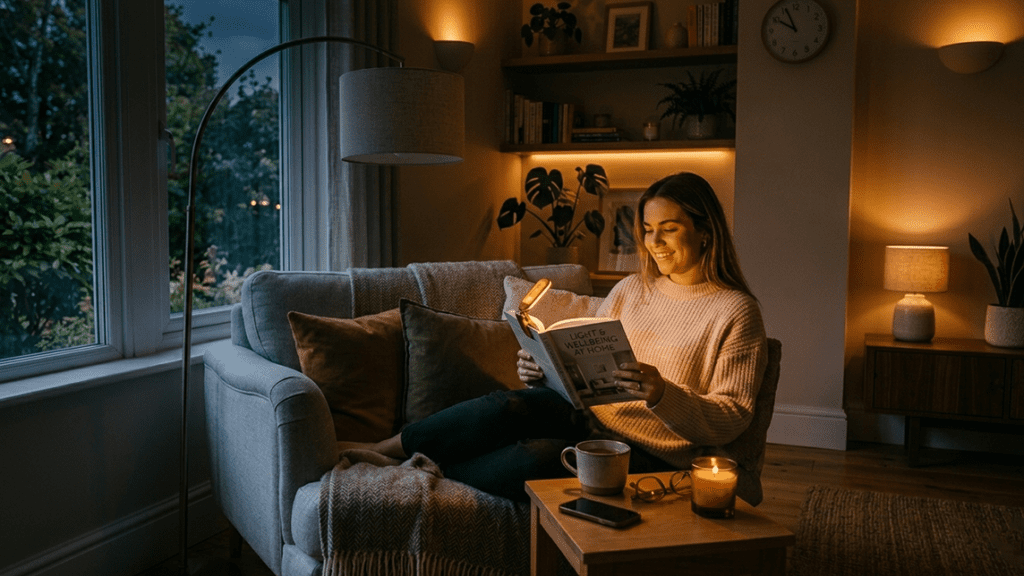
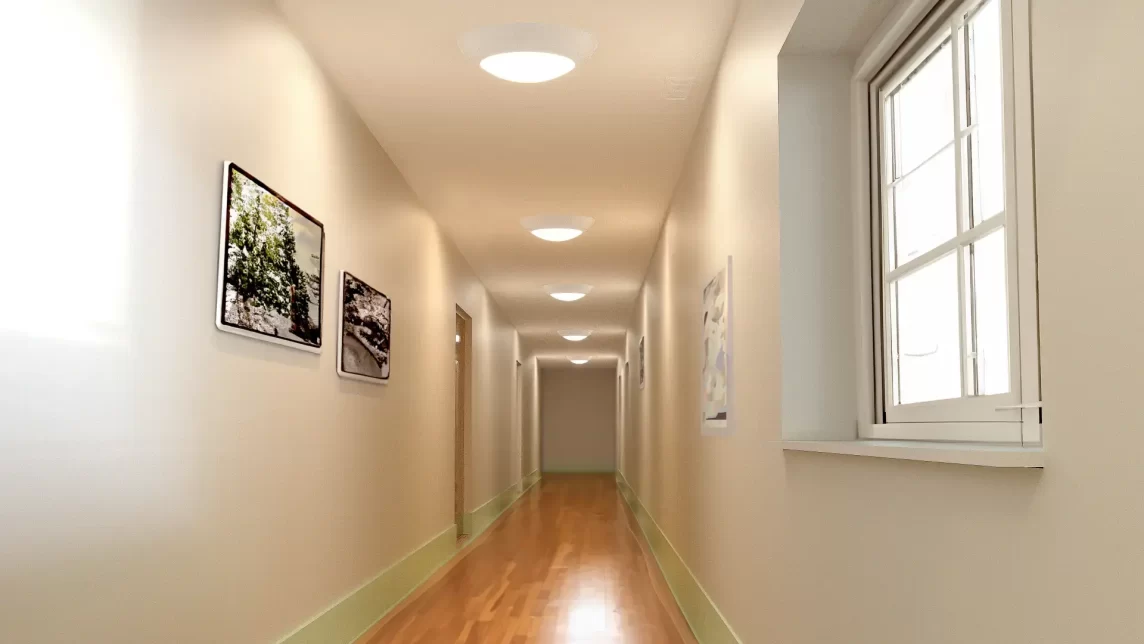
Domestic smart lighting systems have been developed to deliver appropriate light levels in the home for the time of day. Users can change their light to suit their mood and needs, ensuring that they are comfortable, productive and getting the right light for them.
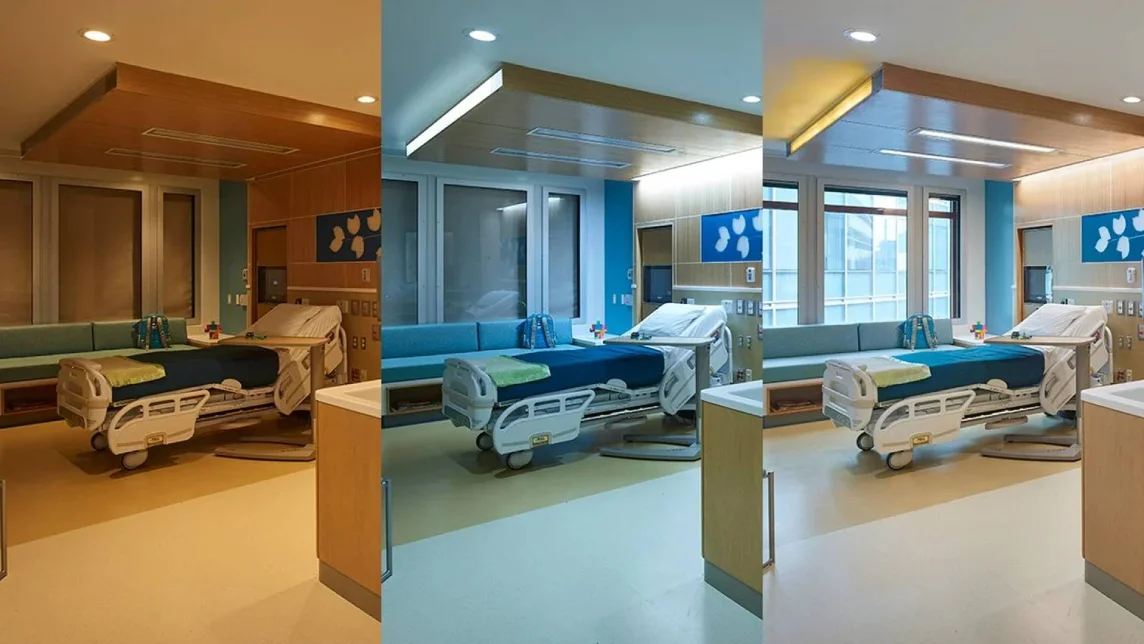
Smart systems cycle the colour temperature of the lighting, from cool white in the morning to wake us up and get prepared for the day, to a warmer, colour in the evening to help us wind down.
As the desire for living environments that enhance our wellbeing continues to increase, the value of a system that is designed to offer the most advanced natural lighting available is clear.
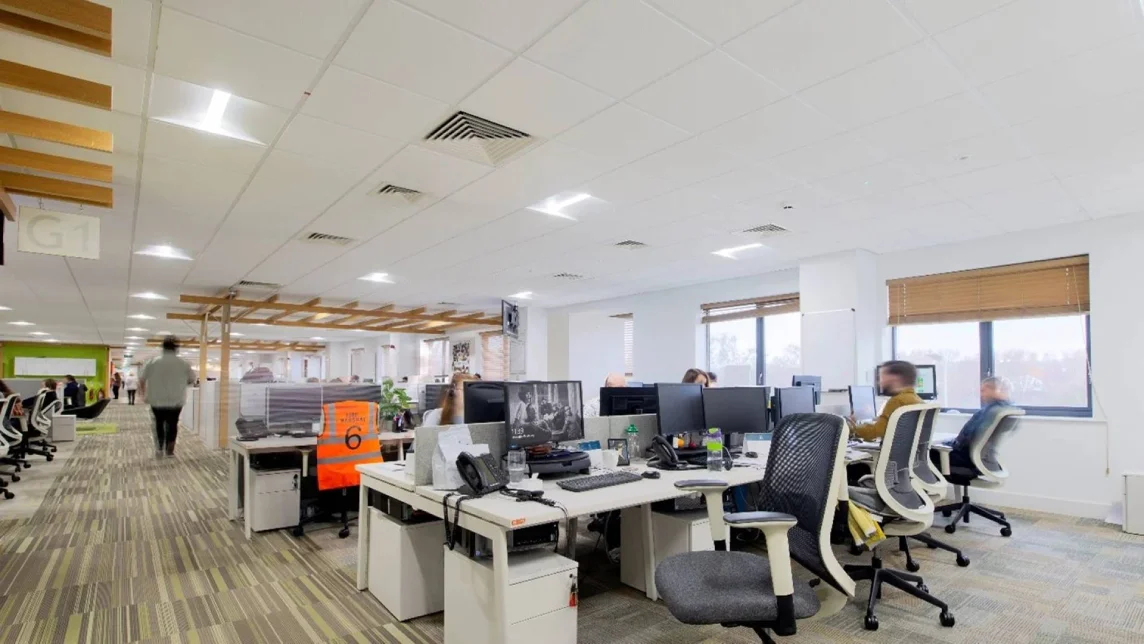
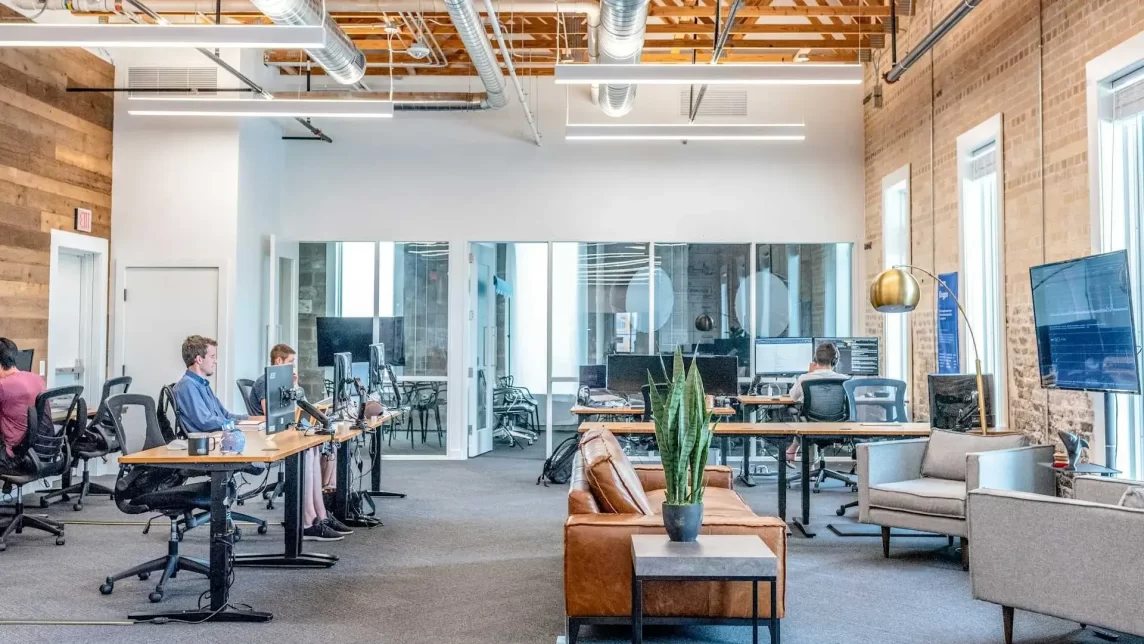
Browse our wellbeing page to see how circadian lighting can be applied in the workplace.
Frequently Asked Questions
The circadian rhythm is an internal body clock that operates on a 24-hour cycle, aligning with the Earth’s rotation to regulate essential hormones. In a home environment focused on wellness, lighting should complement this rhythm to ensure you wake up feeling alert in the morning and can fall asleep naturally when the day ends.
Blue light is specifically linked to an increase in cortisol, the hormone that triggers morning alertness and keeps us focused. Because natural daylight shifts from blue tones in the morning to warmer orange hues as the day progresses, reducing blue light intake at night is crucial for staying in sync with natural cycles and ensuring a good night’s sleep.
Smart lighting systems are designed to cycle through different colour temperatures throughout the day, transitioning from cool white in the morning to warmer tones in the evening. This allows users to tailor their environment to their specific needs—ensuring they remain productive during the day and can effectively relax and recharge at night.