
Estimated reading time: 4 minutes
Key Takeaways
- Light exposure impacts human wellbeing through effects on circadian rhythms, sleep, and mood.
- Daytime lighting should mimic natural daylight, using cold (blue) lights when sunlight peaks.
- In the evening, warmer and darker lighting is recommended to prepare for sleep.
- A dark environment is essential for sleep, with other activities requiring similar or warmer lighting.
- Biodynamic lighting systems adjust to natural light changes, optimising wellbeing and reducing energy usage.
Human requirements for light exposure are much more complex than bright in the day, dark at night.
Differing levels of illumination within different environments can influence our wellbeing in overlooked ways. Here, we discuss how you can support your wellbeing through changing light exposure.
According to a study by the University of Manchester, ocular light exposure influences many aspects of human physiology and behaviour. This includes circadian rhythms, sleep, and alertness. In turn, these aspects effect how we perform, learn and even our general mood.
The study consulted experts in lighting, sleep, and circadian research. It found that differing lighting recommendations optimised general wellbeing according to the time of day.
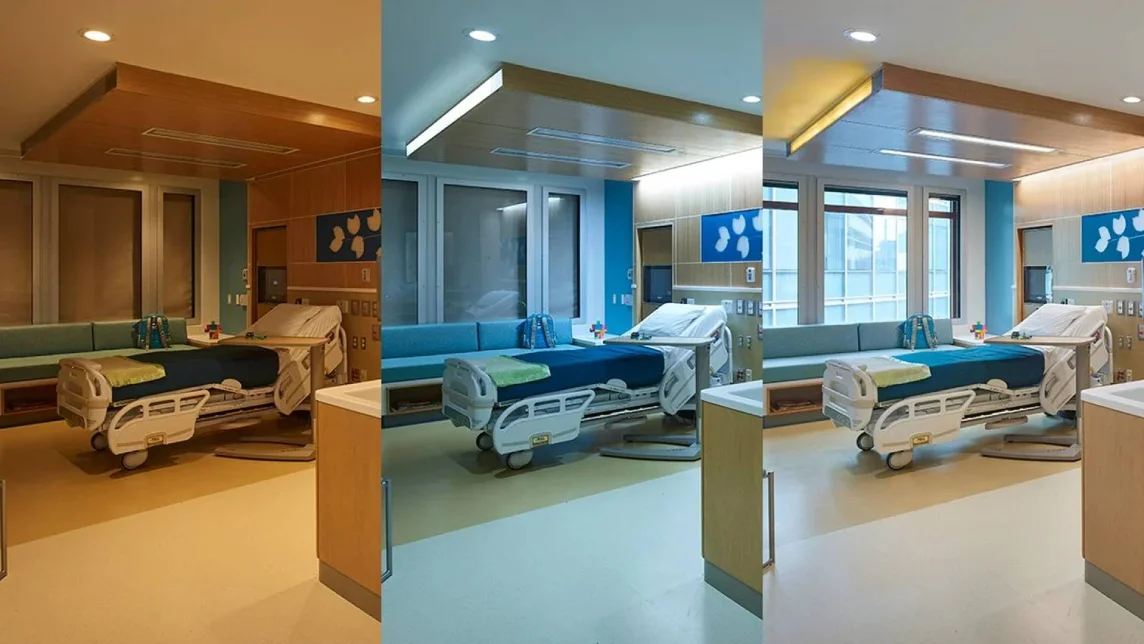
Biodynamic lighting is a solution that sees an artificial light source replicate the dynamic variations of daylight through a specified management system.
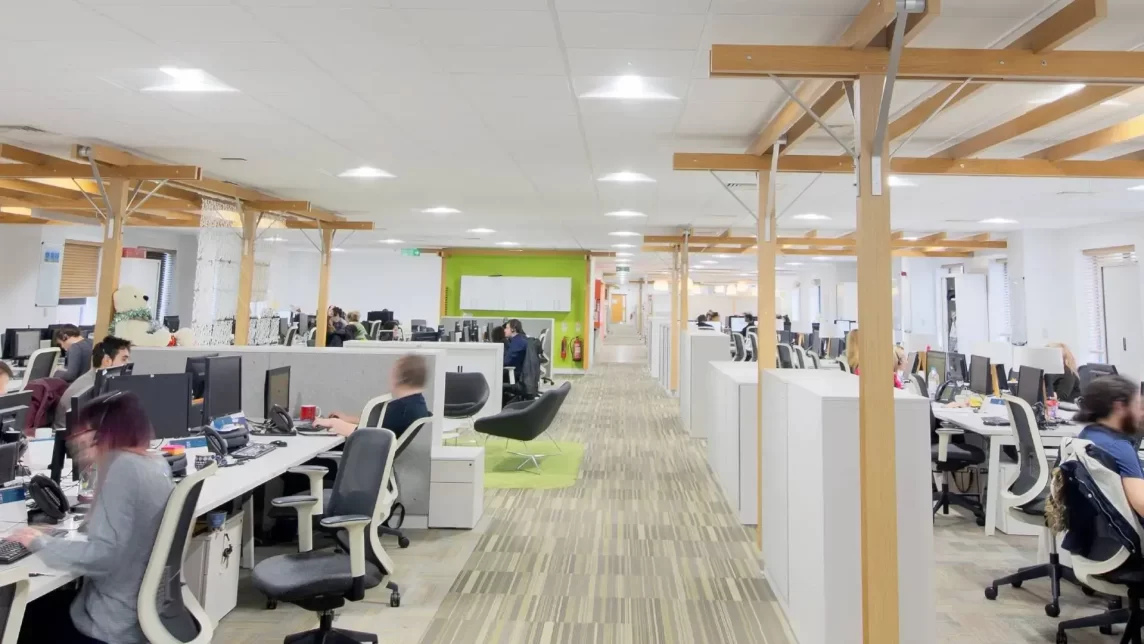
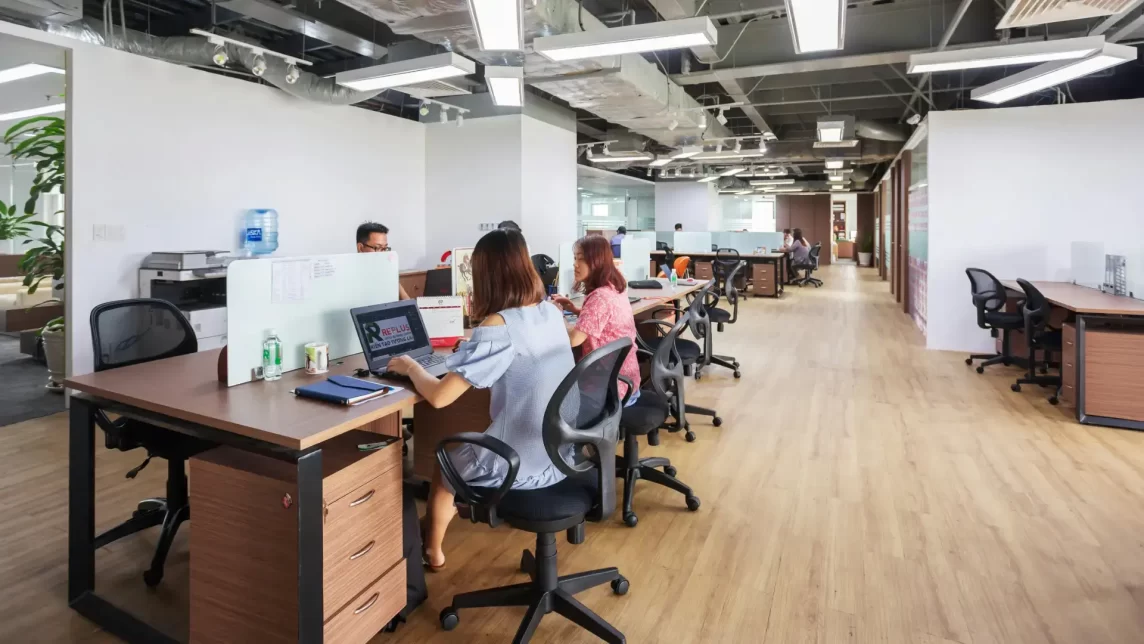
1. Daytime recommendations for indoor environments
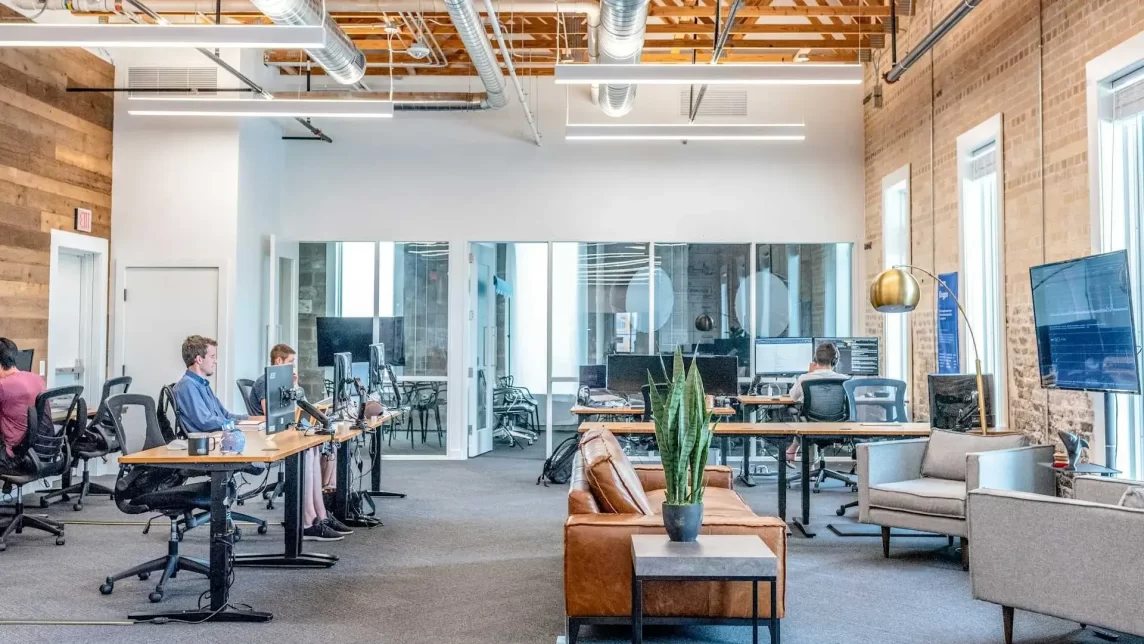
Experts recommended that daylight should be first used to get as close to these levels as possible. For additional LED lighting, the light should be cold (blue) throughout most of the day when sunlight is at its prolonged peak.
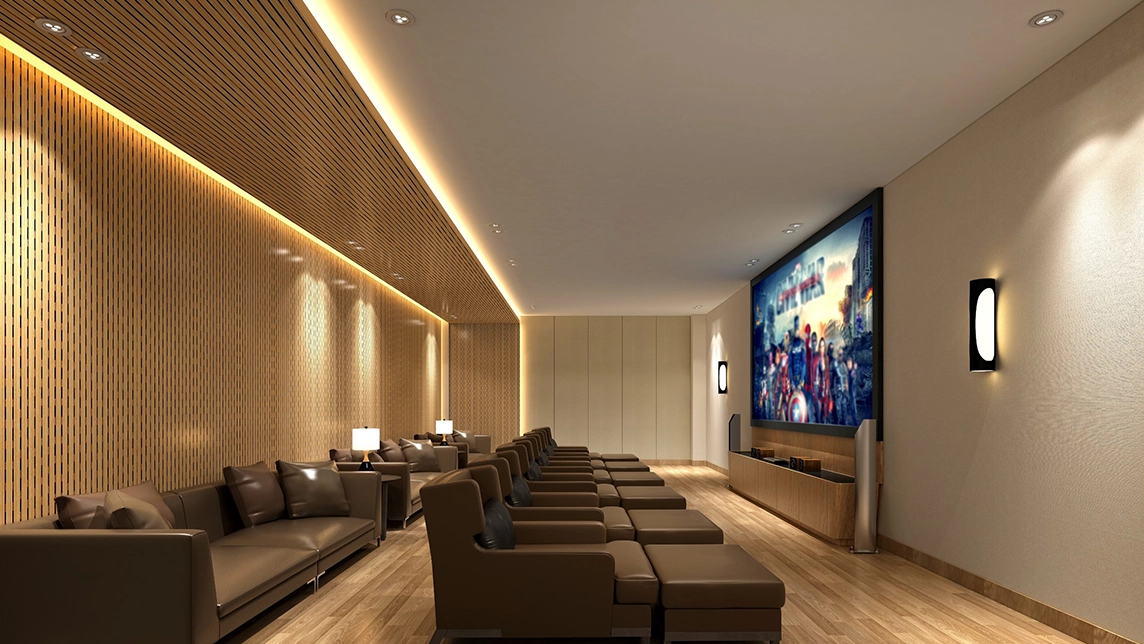
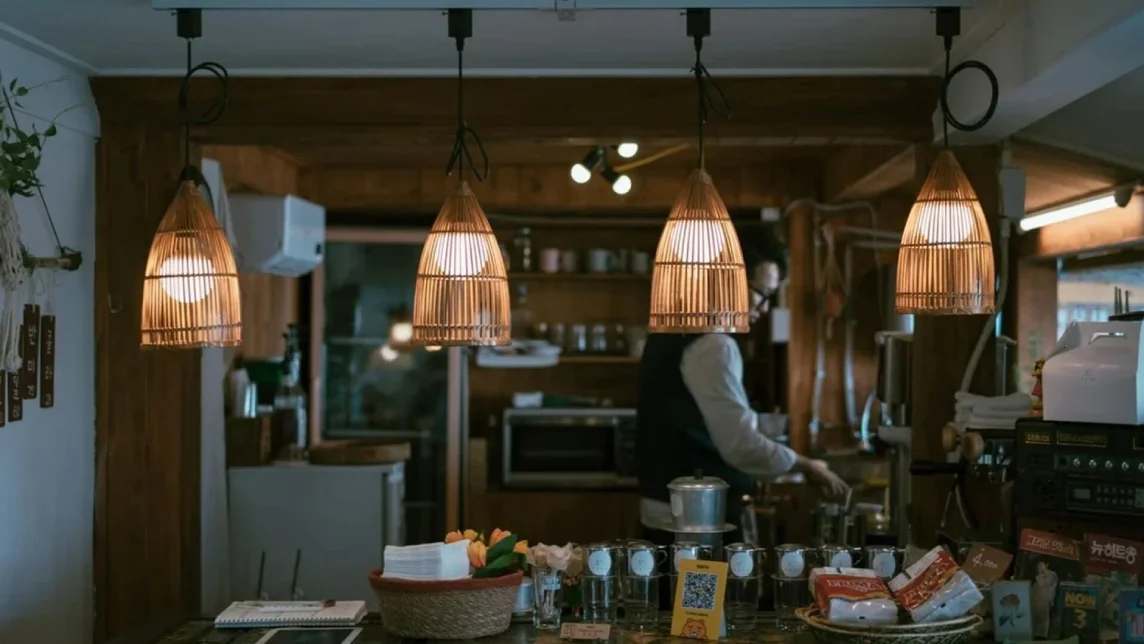
2. Evening recommendations for indoor environments
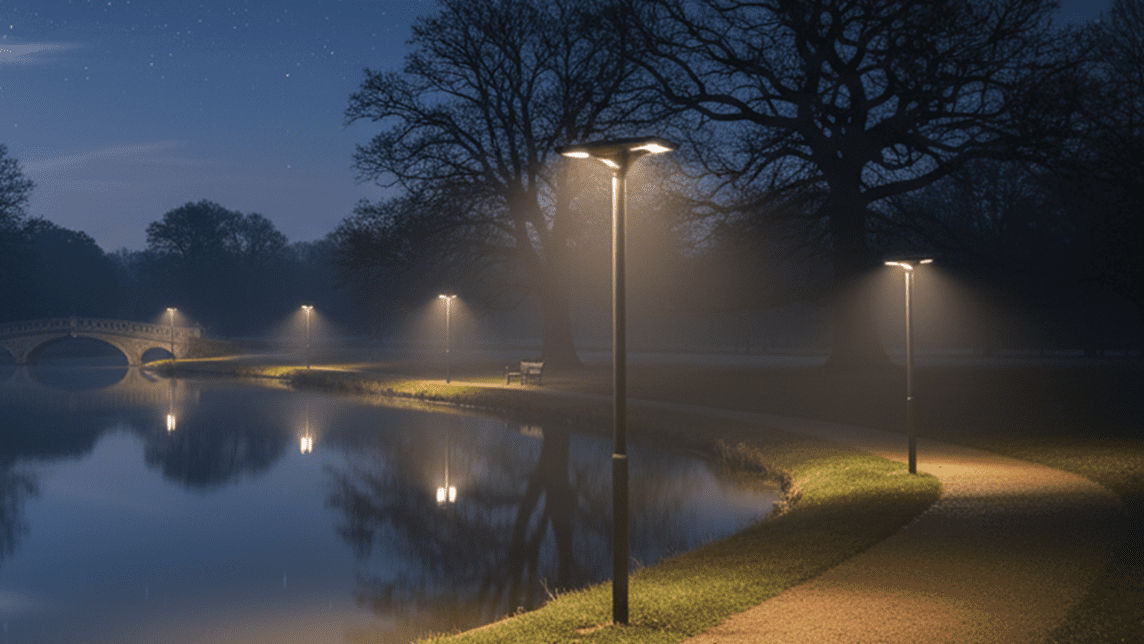
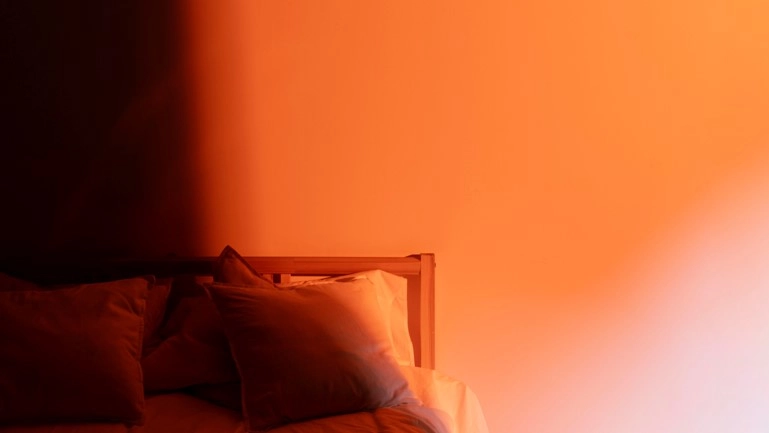
Towards the end of the day (at least three hours before bedtime) the recommended lighting setting is one that’s both darker and warmer.
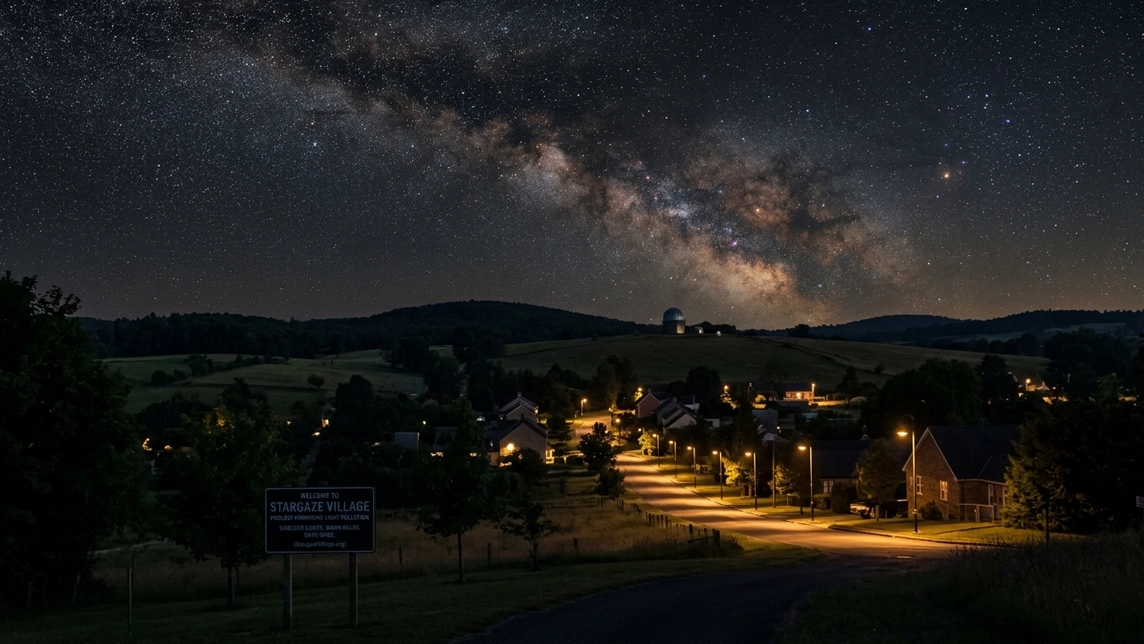
3. Night-time recommendations for the sleep environment
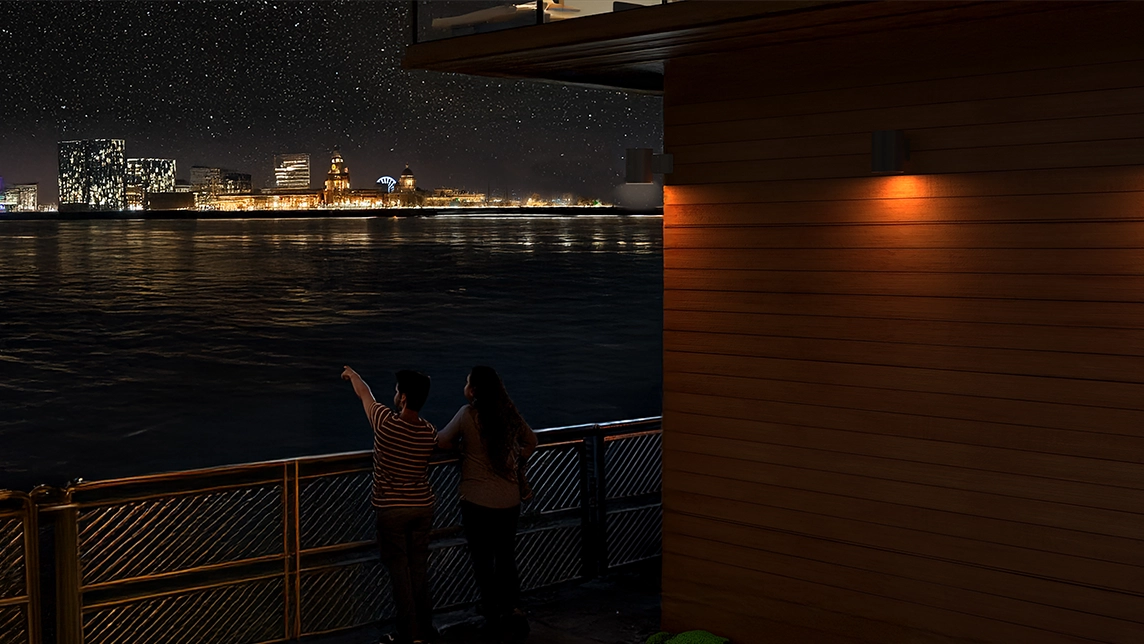
As you would expect, the environment for sleep should be as dark as possible. If the environment is going to occupy activities besides sleeping, then it should be very much similar to the evening settings – if not darker and warmer.
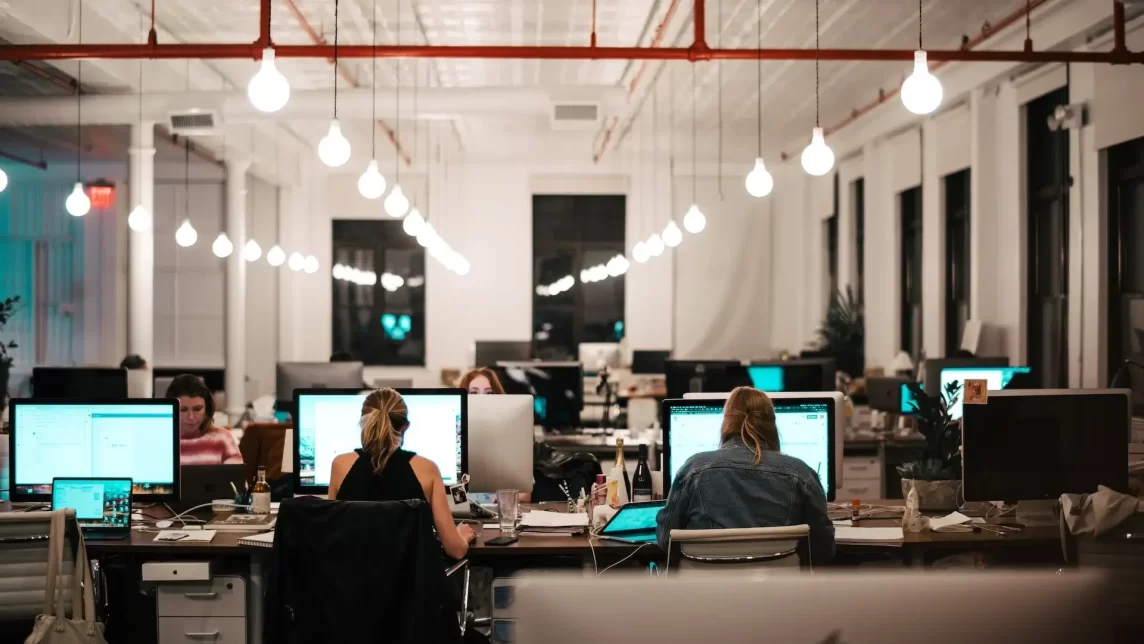
As we can see, lighting plays a huge role in our psychological wellbeing throughout the day. Fixed illumination levels and colour temperatures disrupt the natural colour changes of the day, altering our circadian rhythm. Simply using one level of light throughout your entire day is going to harm your wellbeing.
Luminaires that harness the power of biodynamic lighting are built to work alongside natural light rather than against it. On top of this, controls that automatically adjust to recommended levels are the key to taking control of wellbeing.
Especially now, with humans spending 90% of their time indoors, buildings who take note of the power of biodynamic lighting will see energy consumption drop dramatically as artificial light is only used where it’s needed.
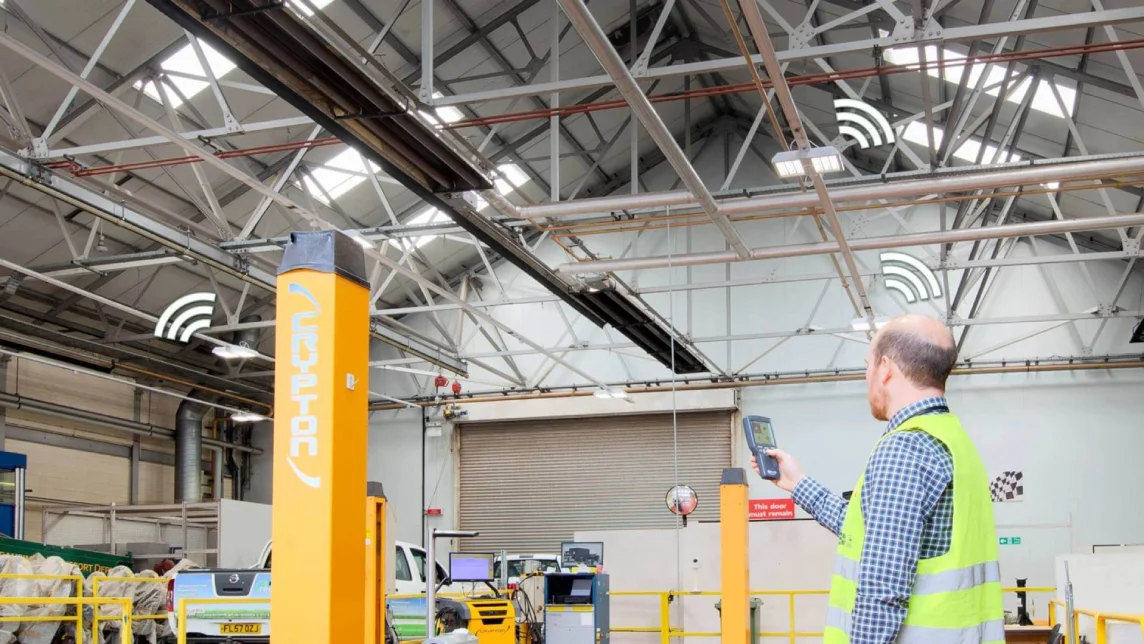
When connected through a DALI system, this process can entirely automated. On top of this, there are some systems that allows occupants to choose the lighting that suits them.
You can discover more about our approach to wellbeing on our website.
Frequently Asked Questions
According to a study from the University of Manchester, ocular light exposure influences various aspects of human physiology and behaviour, including circadian rhythms, sleep, and alertness. These factors directly impact how humans perform, learn, and maintain their general mood.
Biodynamic lighting is a solution where an artificial light source replicates the dynamic variations of natural daylight through a specialised management system. It supports wellbeing by:
Providing cold (blue) light during the day to align with peak sunlight.
Transitioning to darker and warmer settings in the evening to prepare the body for rest.
Working alongside natural light rather than against it, which also helps reduce energy consumption by providing light only where it is needed.
Using a single, fixed level of light throughout the entire day disrupts the natural colour changes associated with the day-night cycle, which alters a person’s circadian rhythm. Experts recommend that because humans now spend 90% of their time indoors, buildings should utilise automated controls, such as those connected through a DALI system, to adjust light levels and colour temperatures to match the time of day.