
Estimated reading time: 4 minutes
Key Takeaways
- The article discusses regulations for lighting hazardous areas, as per the Health and Safety Executive’s guidelines.
- Hazardous Areas contain flammable substances and require careful electrical equipment usage, classified into three zones: Zone 0, Zone 1, and Zone 2.
- Applications needing hazardous area lighting include petrol stations, mills, garages, and pharmaceutical manufacturers.
- Quality light is often overlooked; however, modern LEDs provide better efficacy without sacrificing light quality.
- Tamlite’s hazardous lighting range features LEDs with high colour rendering and minimal maintenance requirements.
Tamlite Lighting and The Lighting Review have a discussion how to light hazardous areas and the regulations that have to be considered.
The first question has to be – what is a hazardous area?
Guidance on what constitutes a Hazardous Area is published by the Health and Safety Executive. Its is not compulsory to follow the guidance, though doing so is normally enough to be operating within the law. HSE inspectors seek compliance with the law and the HSE guidance is seen as illustrating good practice.
Hazardous Areas
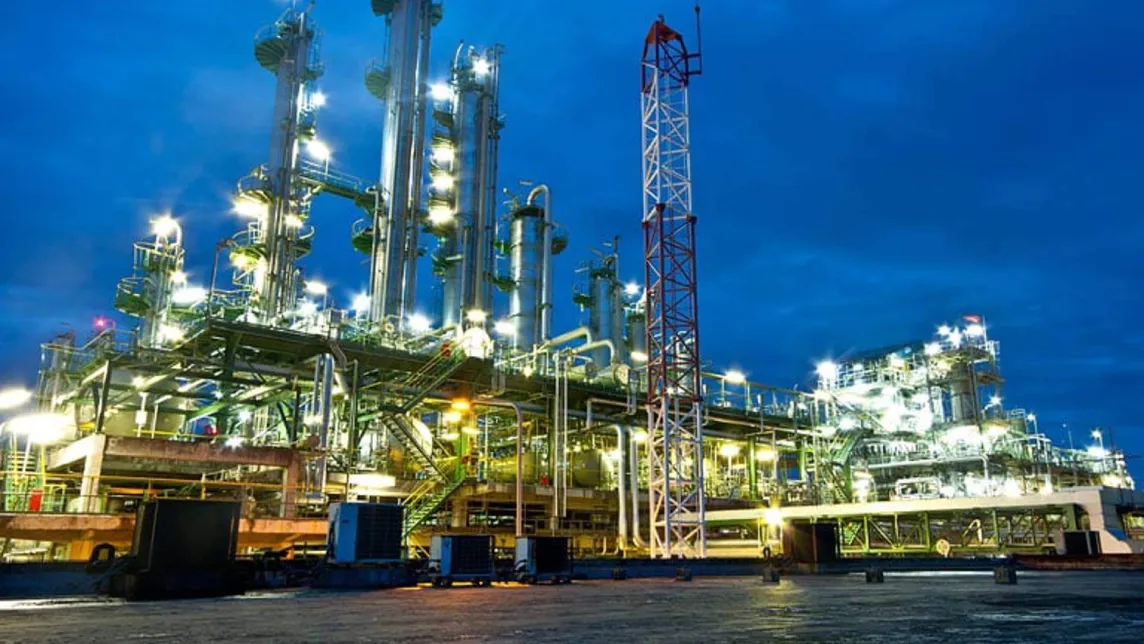
Hazardous Areas are those that can possibly contain flammable substances, which will then require special precautions for the use of electrical equipment. There is a system of classification that determines the rating of a Hazardous Area. A risk assessment of fire and explosion hazards is required by the Dangerous Substances and Explosive Atmospheres Regulations 2002, requiring employers to classify areas where explosive atmospheres can form.
Hazardous Zones
The Regulations define three zones that can exist in a hazardous area:
Zone 0: A place where an explosive atmosphere is present continuously or for long periods
Zone 1: A place in which an explosive atmosphere is likely to occur in normal operations occasionally
Zone 2: A place in which an explosive atmosphere is not likely to occur in normal operation but if it does occur, will persist for a short time only.
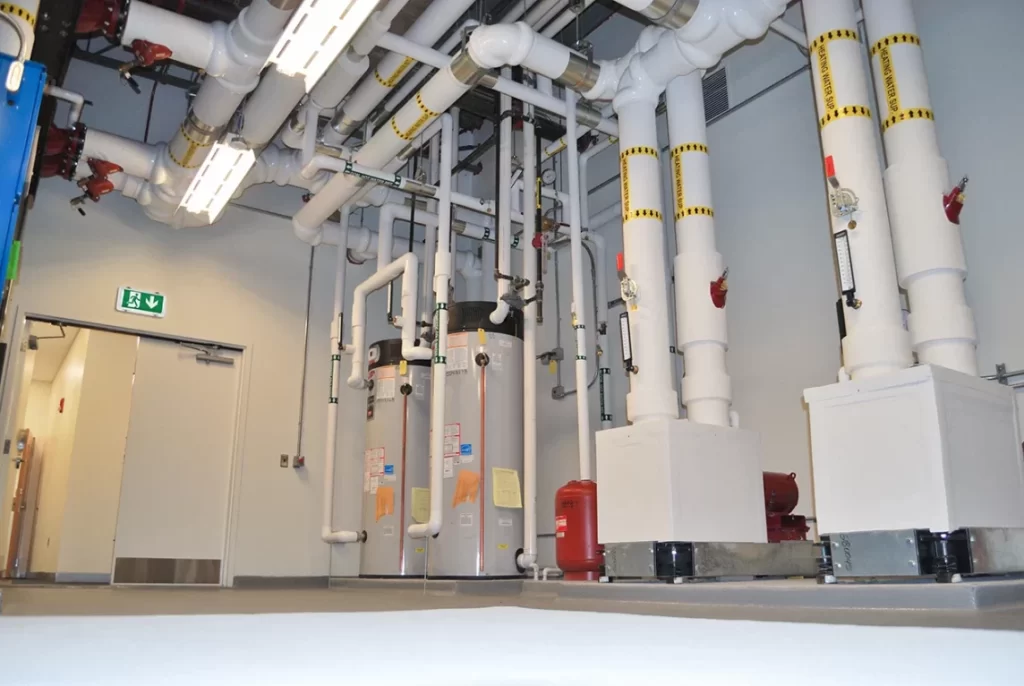
There are many other examples of applications which may require hazardous area lighting, including:
- Petrol Stations
- Flour and paper mills
- Garages
- Chemical or pharmaceutical manufacturers
- Painting workshops
- Bakeries or other food manufacturers
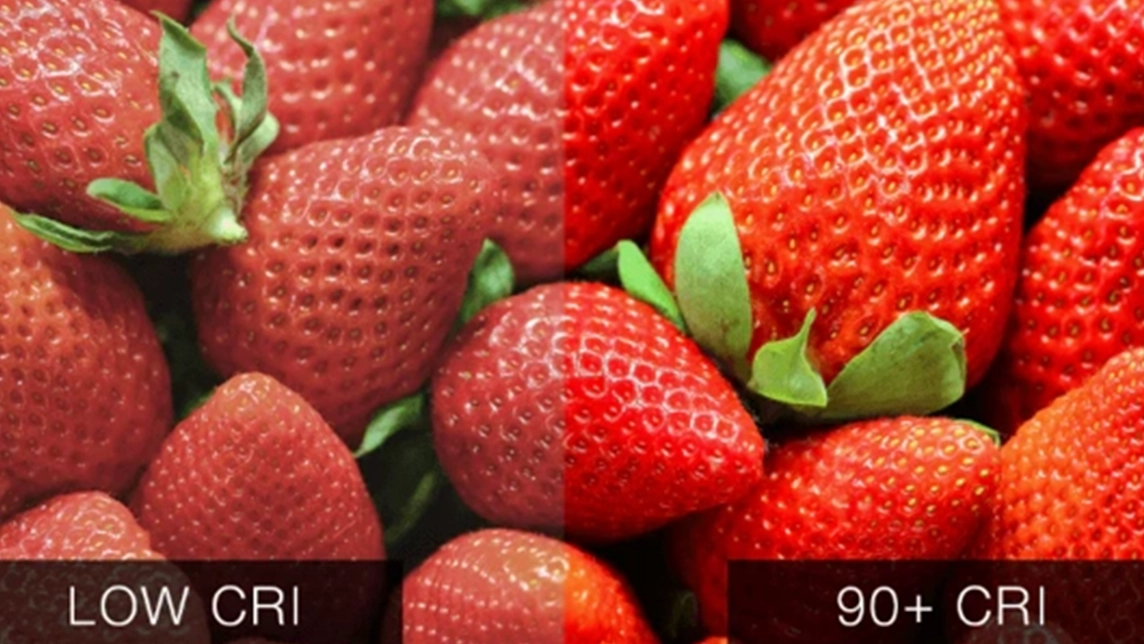
Something that is often forgotten when ‘protected’ lighting is considered is the quality of light that may be required. The focus tends to shift to the (albeit vital) importance of protecting the occupants, forgetting that these fixtures are mostly used to illuminate the day-to-day working environment.
Historically, or pre-LED, light sources tended to be the highest efficacy, and thereby the lowest light quality for that light.
The LED has changed that perception and there is no reason why lighting for hazardous areas should equate to poor lighting quality.
Hazardous Lighting Range
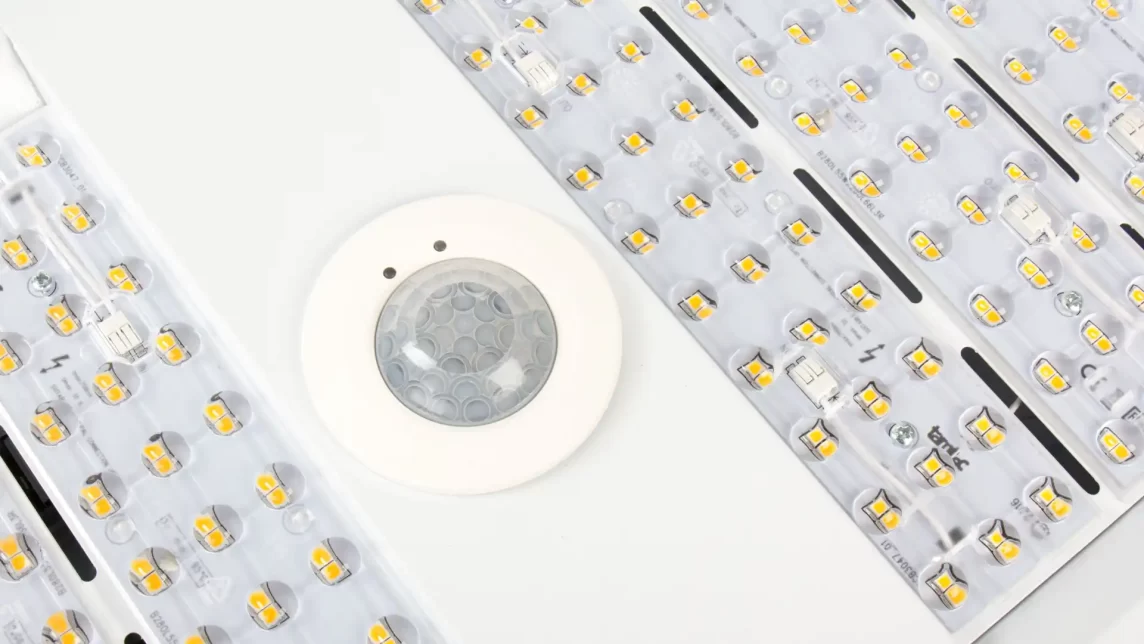
The LEDs used in the Tamlite hazardous range have a colour rendering greater than 0.8 (CRI >80) and the colour temperature is industry standard for commercial applications at 4000K.
NOTE: Explorer X floodlight at CRI>70.
Maintenance of the fixtures is minimal, with the light sources having a rated life of 60,000 hours (to L80/B10). That just leaves surface cleansing to be dealt with and the housings and diffusers have been designed to provide ease of cleaning.
To read the full article, please visit The Light Review website.
Frequently Asked Questions
Hazardous Areas are locations that may contain flammable substances, necessitating special precautions for electrical equipment. Under the Dangerous Substances and Explosive Atmospheres Regulations 2002, employers must perform risk assessments and classify areas where explosive atmospheres can form. While guidance from the Health and Safety Executive (HSE) is not compulsory, following it is considered good practice for operating within the law.
The regulations define three specific zones based on the frequency and duration of an explosive atmosphere:
Zone 0: Explosive atmospheres are present continuously or for long periods.
Zone 1: Explosive atmospheres are likely to occur occasionally during normal operations.
Zone 2: Explosive atmospheres are unlikely to occur during normal operations, and if they do, they persist only for a short time.
Historically, pre-LED sources prioritized efficacy over quality, but modern LED technology has changed this perception. For example, the Tamlite hazardous range offers a high colour rendering index (CRI >80) and a standard commercial colour temperature of 4000K. This ensures that while the occupants are protected, the day-to-day working environment remains well-illuminated with high-quality light.
Maintenance for these fixtures is minimal, as the light sources feature a rated life of 60,000 hours. The housings and diffusers are specifically designed for ease of cleaning, meaning surface cleansing is the primary maintenance task required to keep the system operational.