
Estimated reading time: 4 minutes
Key Takeaways
- Circadian lighting is gaining popularity and may positively impact health, alertness, and productivity.
- Melatonin, controlled by light exposure, is crucial for regulating the sleep-wake cycle and overall health.
- Three methods enhance living with circadian lighting: adjusting brightness, colour temperature, and reducing exposure to short-wavelength light.
- Brighter light during the day helps focus, while warmer, dimmer light in the evening supports better sleep.
- Considered design in modern lighting can promote circadian rhythms for improved wellbeing and productivity.
The study of circadian lighting has heightened in recent years.
The question over whether it will mark the next great trend in the industry is tricky. The concept refers to the strategically designed systems that, in theory, have the power to positively affect people’s health, alertness, productivity, and more.
Melatonin
The circadian rhythm is supposedly controlled by the release of melatonin, the hormone in our brains that has been associated with control of the sleep–wake cycle. A better cycle contributes to the improvement of our overall health.
This hormone is not released when we expose ourselves to light with shorter wavelengths. These are found most commonly with computer screens.
After extended periods of no blue light, melatonin releases and allows us to fall asleep quickly and wake up feeling better.
Controlling the cycle
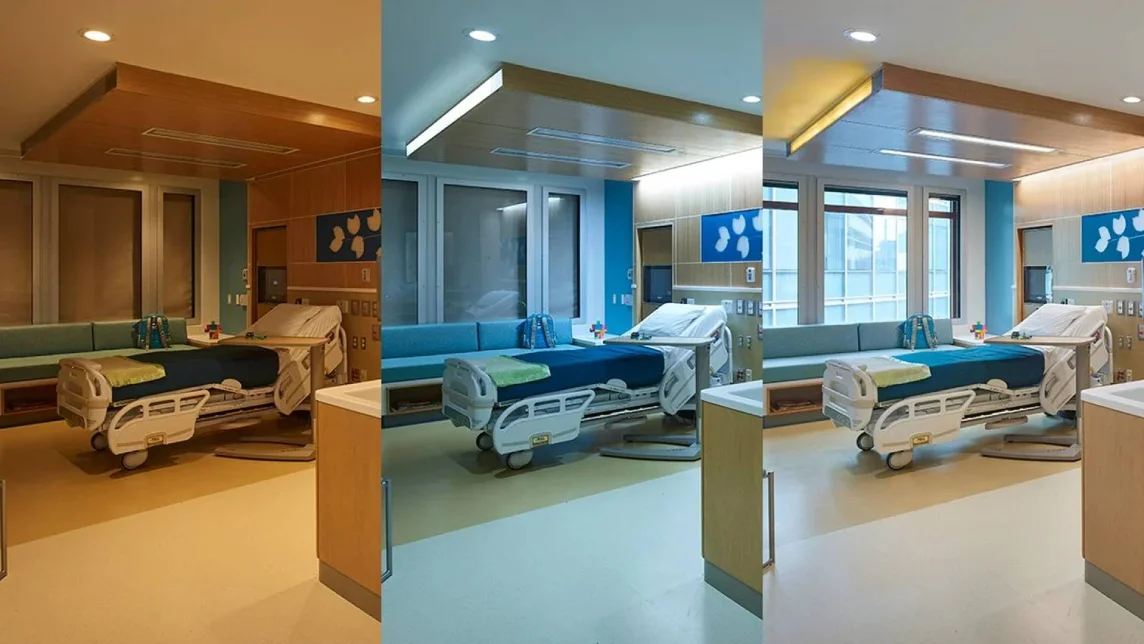
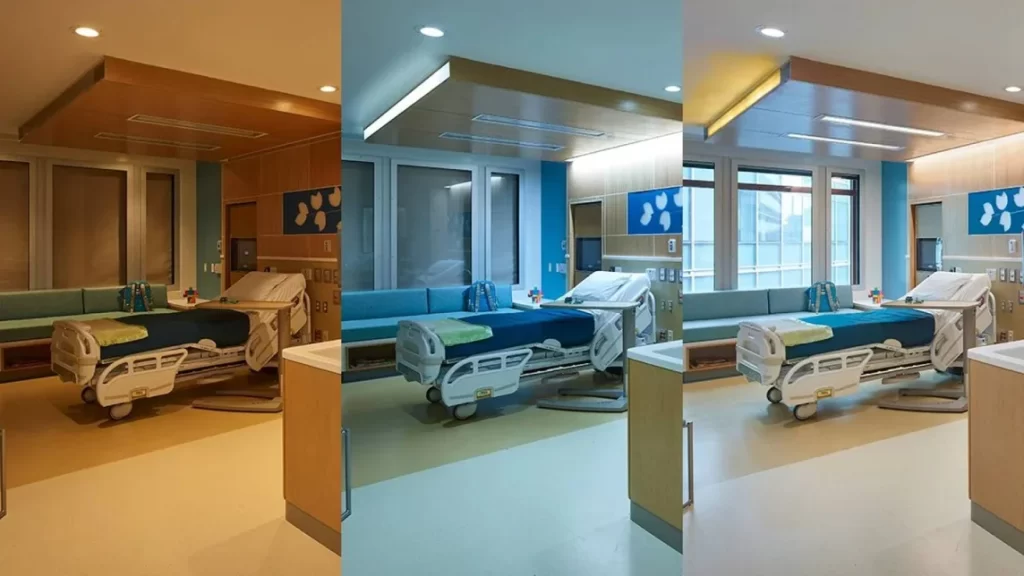
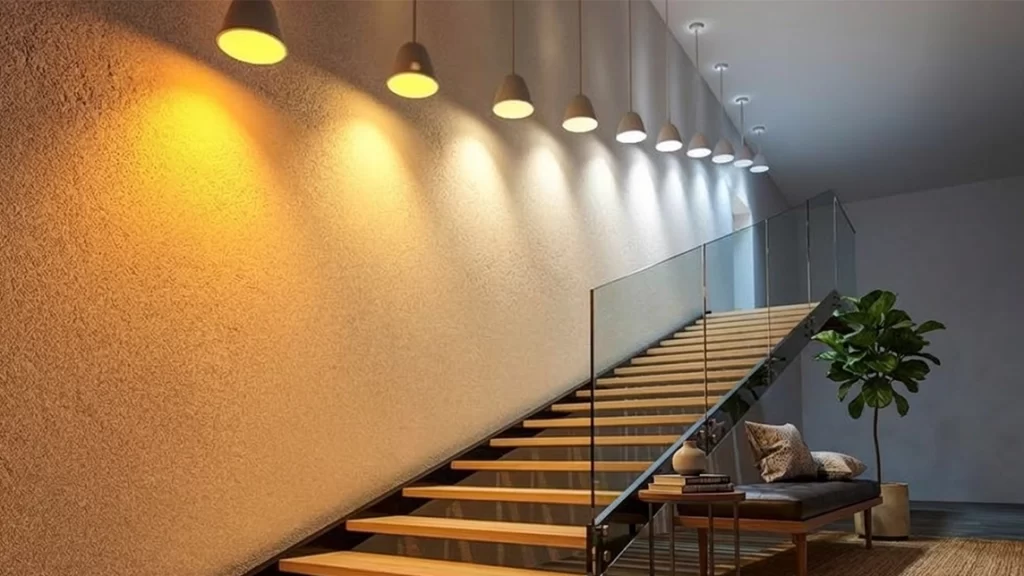
Circadian lighting can refer to three distinct methods of enhancing our living. This includes adjusting brightness, colour temperature and reducing our exposure.
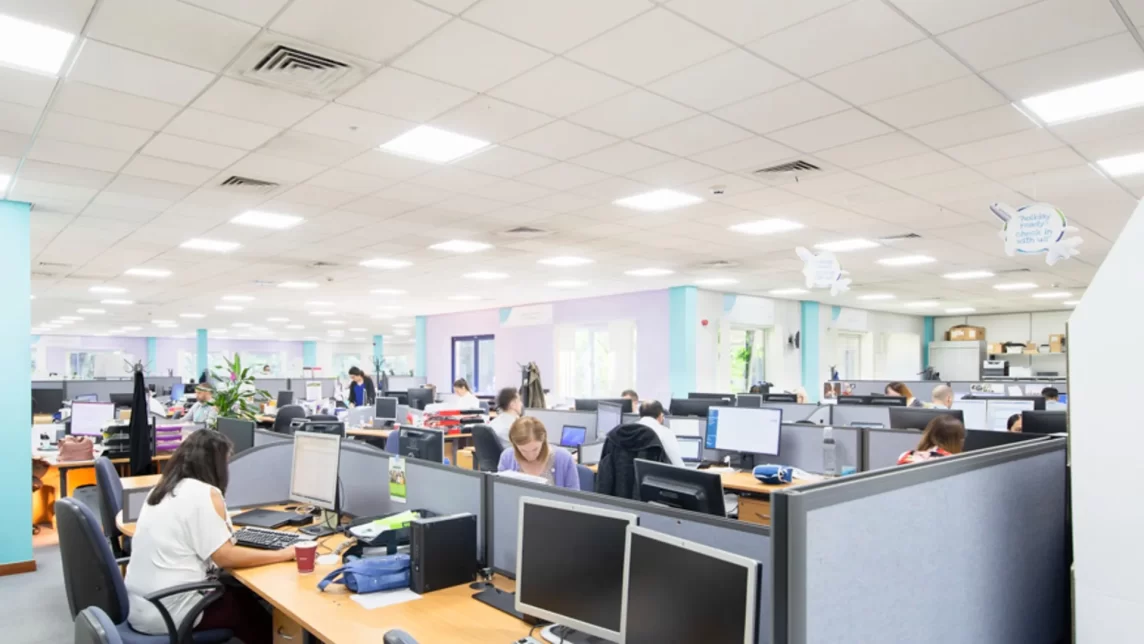
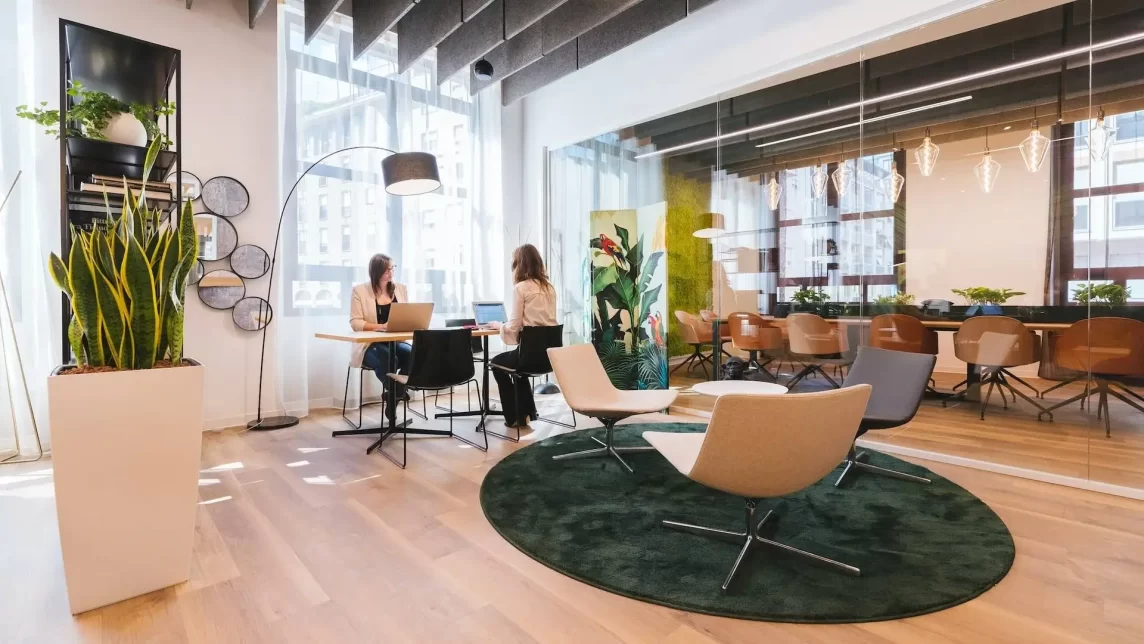
Throughout the day, we often find ourselves in environments with brighter lighting. This lighting has shorter wavelengths and allows us to be more awake and focused.
Lighting with a longer wavelength has less energy, and as such will be absorbed less by our eyes.
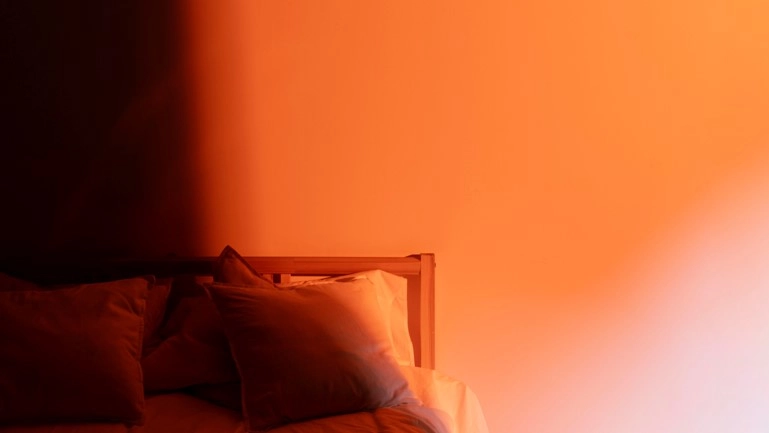
By exposing ourselves to dimmer, more warm lighting in the evening, that energy isn’t absorbed as much.
The future
Modern lighting design has the potential to work within all of this. Using considered design to support a natural exposure, circadian lighting could certainly be part of a greater future. This future means better wellbeing and more productivity.
Want to learn more about lighting that can help circadian rhythms? We are happy to help – contact us here.
Frequently Asked Questions
Circadian lighting refers to strategically designed systems that aim to positively influence human health, alertness, and productivity. These systems operate by supporting the body’s circadian rhythm, which is the internal sleep-wake cycle controlled by the release of the hormone melatonin.
The release of melatonin is suppressed when we are exposed to light with shorter wavelengths, such as those emitted by computer screens. Conversely, after extended periods without blue light, the body releases melatonin, which allows individuals to fall asleep more quickly and wake up feeling better.
Circadian lighting enhances our living environments through three primary methods:
Adjusting brightness: Using brighter light during the day to support wakefulness and focus, as these lights contain shorter wavelengths.
Managing colour temperature: Utilising warmer, dimmer lighting in the evening, which has longer wavelengths and less energy, making it less stimulating to the eyes.
Reducing exposure: Limiting intake of shorter wavelength light to ensure the body’s natural cycle remains synchronised.