
Estimated reading time: 4 minutes
Key Takeaways
- LEDs have improved light longevity, but adaptability is now essential for sustainability.
- Adaptable lighting caters to the occupants’ needs and includes intelligent systems for efficiency.
- The industry still prioritises upfront costs, neglecting the long-term carbon impact of lighting solutions.
- Easily manageable lighting controls and wireless solutions enhance flexibility and usability.
- A shift in the business model is needed to fully utilise and extend the lifespan of adaptable lighting.
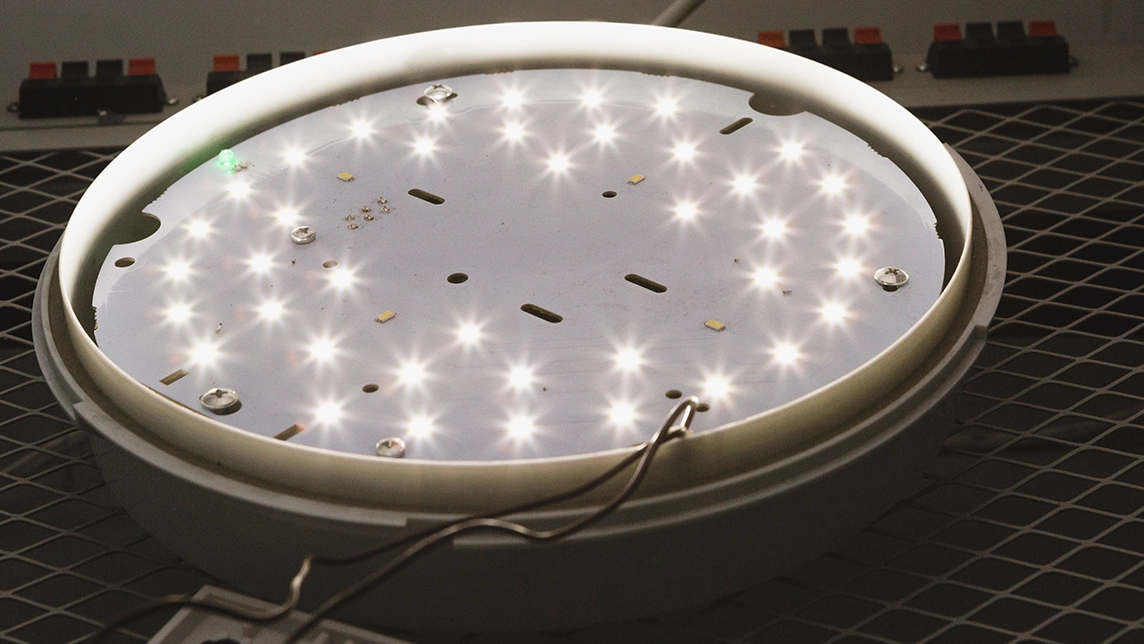
LEDs have greatly extended the lifetime of lights across all sectors. But with sustainability demanding more of modern manufacturing, it’s time for lighting to go beyond long-lasting and embrace complete adaptability.
Adaptable lighting is something widely available yet not totally embraced by the industry. The value of making light last longer by working for you is an approach not many take.
The life cycle of the product is important. But the true value of light and what it delivers to the organisation is its cost in terms of carbon. Recycling should be the last resort. Designers – and the industry in general – must offer re-engineer-ability.
For so long, static lighting solutions have been the go-to, with the focus on sustainable, sturdy materials to build them.
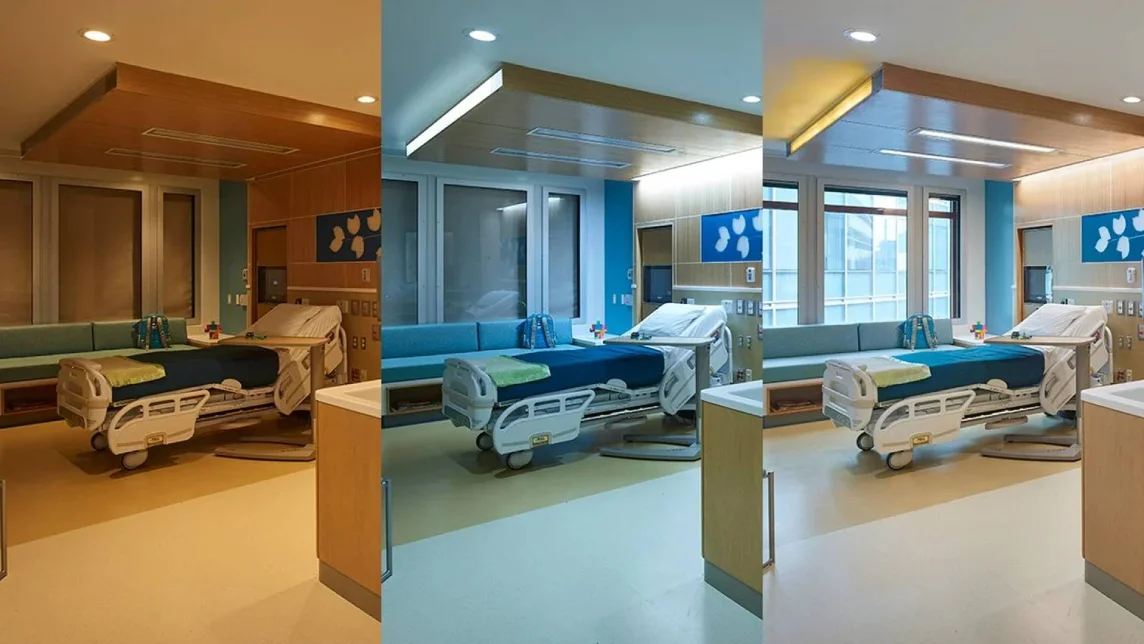
Areas need change over time, which makes control over the lighting a necessary evolution.
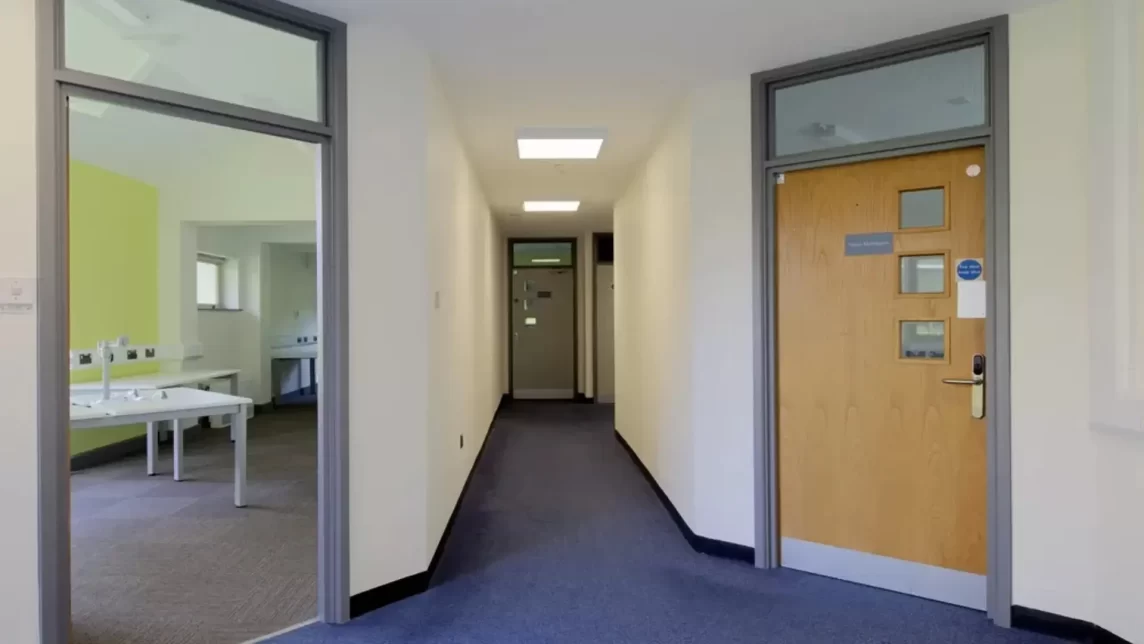
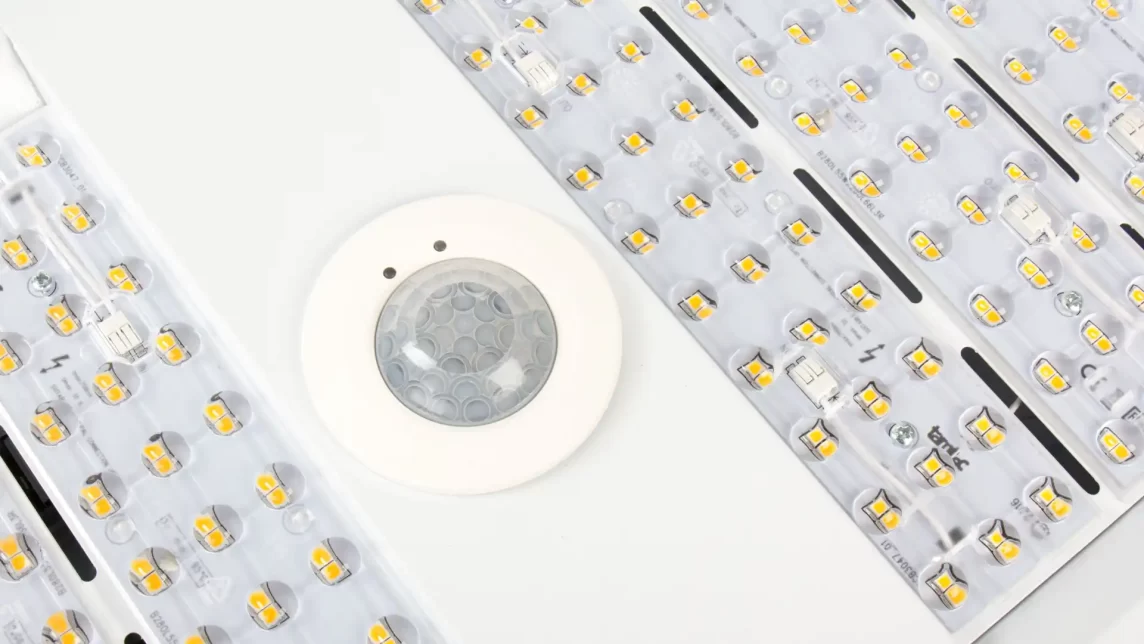
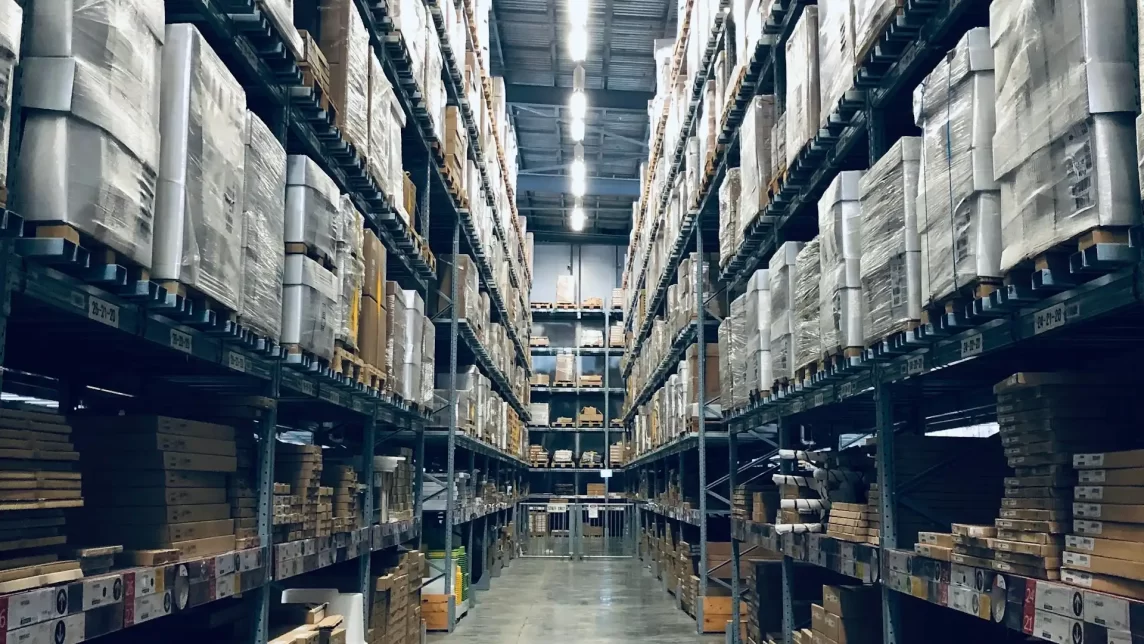
Adaptable light adheres to the needs of the occupants it is lighting for. This includes utilising intelligent systems to not be in use when no occupants are around. Lighting must focus on the value it does for your bottom line. But the discussion over what this value does for your organisation – be it a school, hospital, factory – is unclear.
The focus is still utterly on capital cost and ticking the easy-to-understand box. Lighting controls are not as easily understandable.
We have an inadequate understanding of how best to use these technologies and how to make them work for people. But the means to control them are right in front of us – with wireless solutions for a range of different applications.
No matter what the task is and what purpose the light serves, the control over it needs to be the easily usable part.
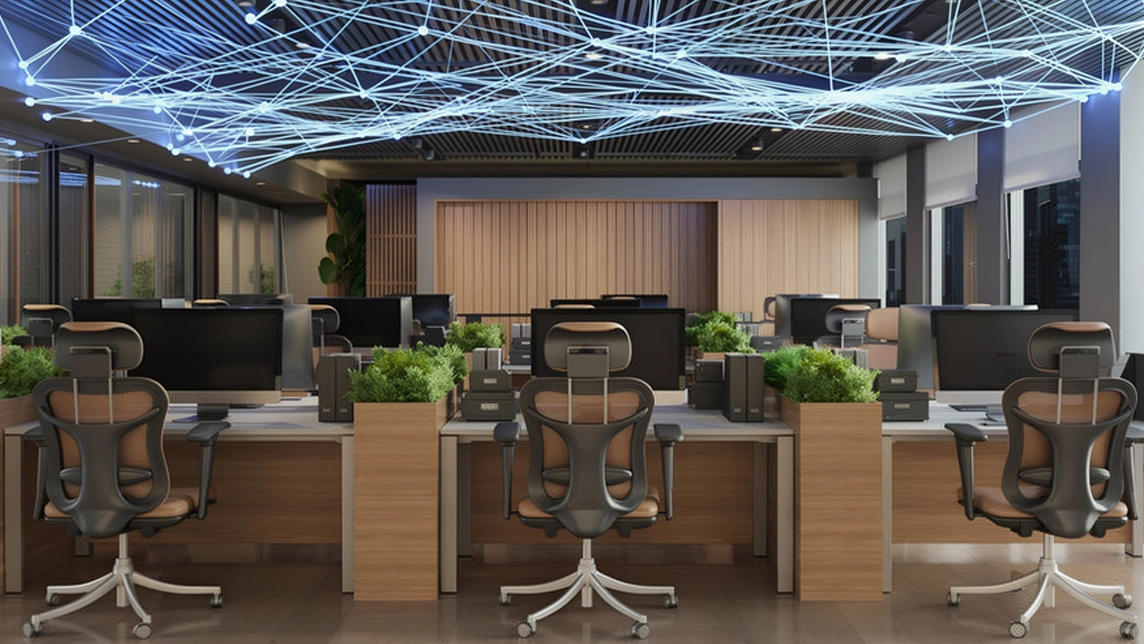
Intelligent lighting, made simple to install and use, provides greater flexibility than any other solution. To be able to group luminaires and manage them under a secure network affords effortless control and maintenance – extending that already long lifespan even more.
The new business model for the lighting industry is about disrupting the idea of the value of light. If the opportunity is taken, technology can help us make LEDs last even longer – it just needs to embrace it.
Discover how Tamlite’s products are a part of this future.
Frequently Asked Questions
While LEDs have successfully extended the lifetime of lights, modern sustainability demands that the industry move toward complete adaptability. The true value of light for an organisation is measured by its carbon cost, and while product life cycles are important, recycling should be the last resort. Therefore, designers and the industry must prioritise “re-engineer-ability” to ensure that lighting solutions can evolve alongside changing environmental needs.
Adaptable lighting adheres to the specific needs of its occupants by utilising intelligent systems that turn off when areas are unoccupied, which focuses on the value lighting delivers to an organisation’s bottom line. Furthermore, intelligent lighting systems that are easy to install and use provide greater flexibility than static solutions. By grouping luminaires and managing them under a secure, wireless network, organisations can achieve effortless control and maintenance, which further extends the lifespan of the equipment.
Despite the benefits of intelligent systems, there is an inadequate understanding of how to best utilise these technologies and make them work effectively for people. Currently, the focus remains primarily on capital costs and “ticking the easy-to-understand box,” whereas lighting controls are perceived as less straightforward. To address this, the industry must disrupt the traditional idea of light’s value by making the control of lighting an easily usable and accessible part of any application.