
Estimated reading time: 3 minutes
Key Takeaways
- Gensler’s findings reveal the built environment contributes to 40% of greenhouse gas emissions and 50% of global energy use.
- As the population is expected to reach 10 billion by 2050, sustainable development in urban living becomes crucial.
- LED lighting systems can reduce energy consumption by up to 60%, and an additional 30% with lighting controls.
- Tamlite focuses on sustainability and the circular economy, ensuring that lighting systems can be reused or recycled at the end of their lifecycle.
- Partnership with Waste Experts has led to significant projects, including ASDA store refurbishments across the UK.
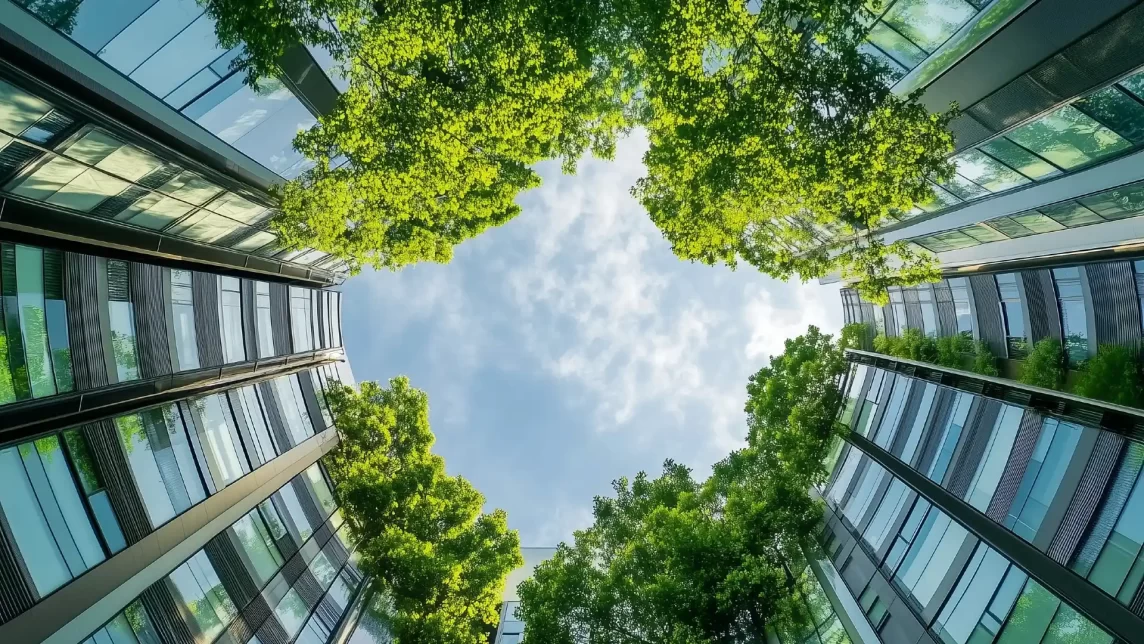
Recent findings by global design and architecture firm Gensler highlighted the dramatic impact of the built environment sector on the climate, with existing buildings and new construction projects accounting for 40% of generated greenhouse gas emissions and 50% of energy use globally.
If this does not sufficiently underline the need for sustainable developments, then consider the fact that the population is set to rise to 10 billion by 2050 at the same time as an ever-greater percentage of people opt to live in cities. Developing and maintaining efficient buildings is going to be fundamental to meeting the many challenges that lie ahead.
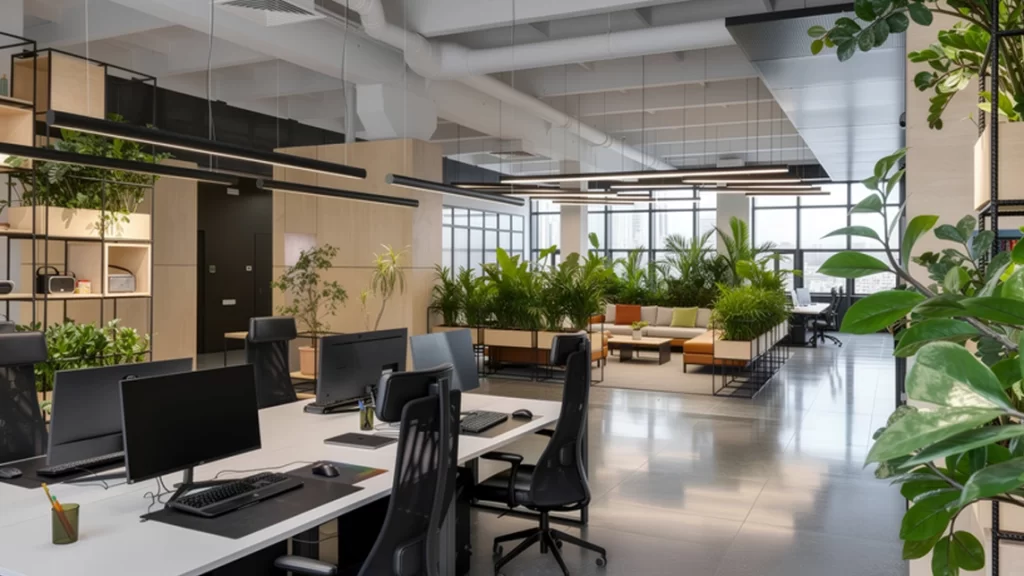
With the latest LED lighting systems, it is possible to achieve reductions in energy consumption of up to 60% compared to legacy technologies, increasing by a further 30% if the new system encompasses lighting controls.
The need for replacements with LED lighting is also greatly reduced, with lifecycles of c 50,000 hours contributing to the undeniable impression that LED is – by its very nature – a sustainability-conducive technology.
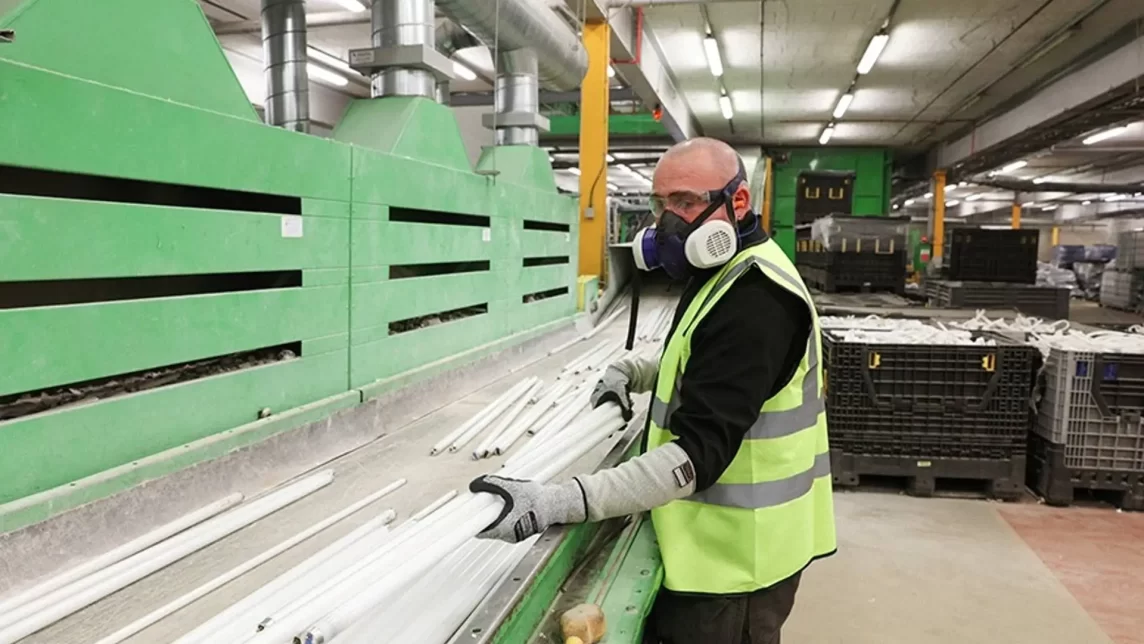
But as an advocate for the circular economy in construction – whereby everything is engineered to be constantly reused or recycled – we are also focused on what happens to lighting when it does reach the end of its operational life.
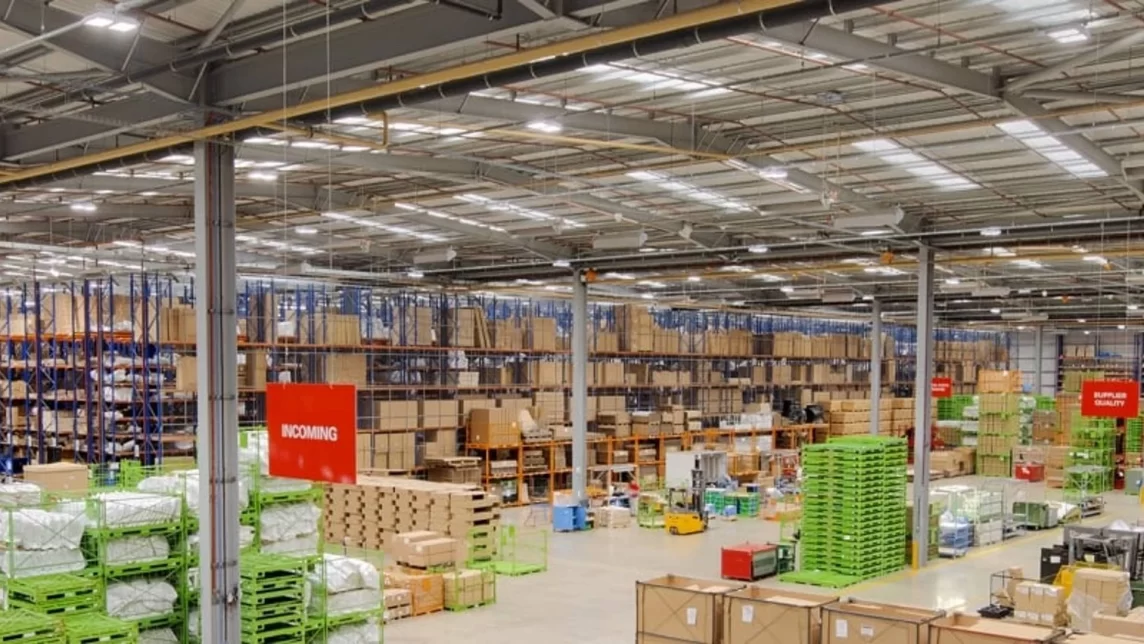
To this end Tamlite working in partnership with its sister company the Waste Experts, have worked on a series of major projects over the last few years, including our refit of ASDA stores across the UK.
Frequently Asked Questions
Sustainable development is essential because the built environment sector accounts for 40% of generated greenhouse gas emissions and 50% of global energy use. These challenges are further intensified by the global population being projected to rise to 10 billion by 2050, with an increasing percentage of people choosing to live in cities.
Modern LED lighting can achieve energy reductions of up to 60% compared to legacy technologies. This efficiency increases by an additional 30% when the system includes lighting controls. Furthermore, LEDs have long lifecycles of approximately 50,000 hours, which significantly reduces the frequency of replacements.
The circular economy in construction is an approach where everything is engineered to be constantly reused or recycled. In practice, this includes managing what happens to lighting products when they reach the end of their operational life, such as through the partnership between Tamlite and the Waste Experts on major refit projects like those for ASDA stores across the UK.