
Estimated reading time: 3 minutes
Key Takeaways
- Outdoor lighting must balance safety and aesthetics while minimising light pollution.
- Over 99% of the US and European population lives under light polluted skies, impacting both residents and wildlife.
- Designs should focus on reducing upwards illumination, exemplified by Tamlite’s TAURUS exterior bulkhead which limits upward light output ratio to as low as 2%.
- Getting lighting design right is crucial for creating safe environments that support local ecology.
- Contact Tamlite for urban lighting solutions tailored to reduce light pollution.
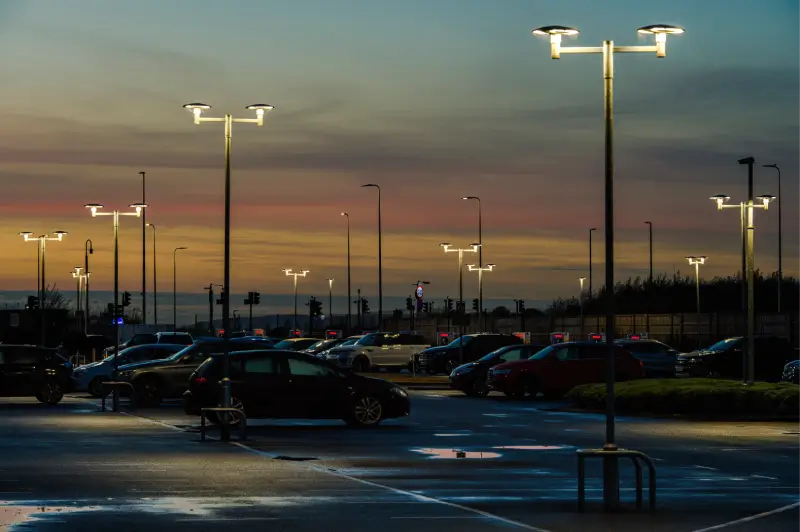
Outdoor lighting has many specific requirements, from making people feel safe at night to creating stunning visual displays. But it is the responsibility of those creating urban luminaires and lighting designs to ensure that light pollution is kept to a minimum in external areas.
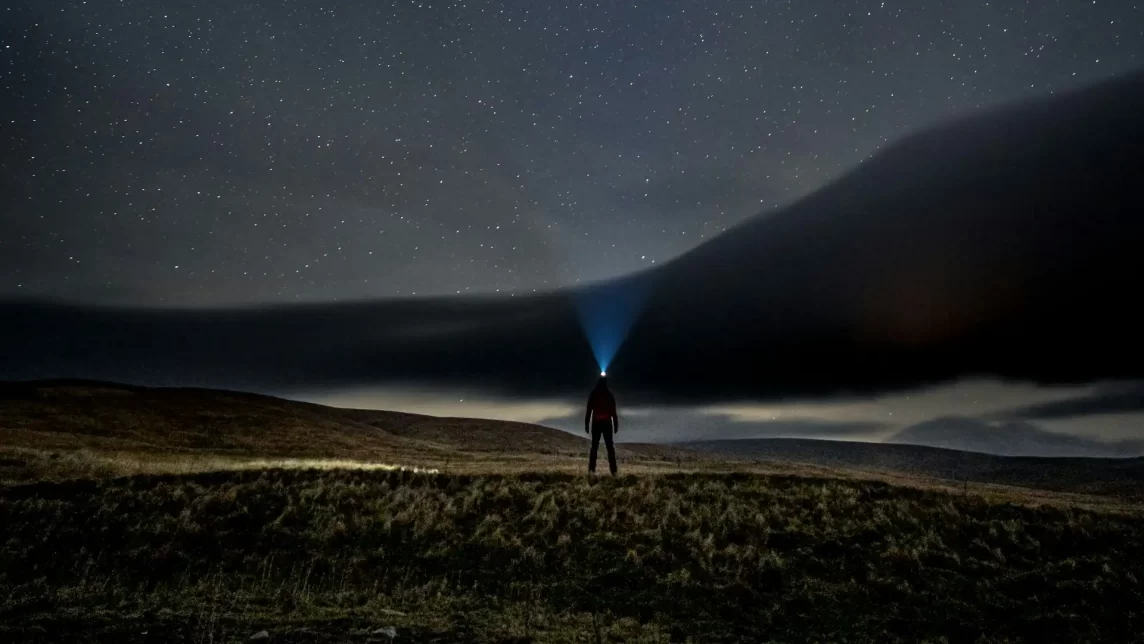
Studies from 2016 suggest that more than 99% of the US and European population live under light polluted skies, a figure which has increased significantly since a previous study in 2001.
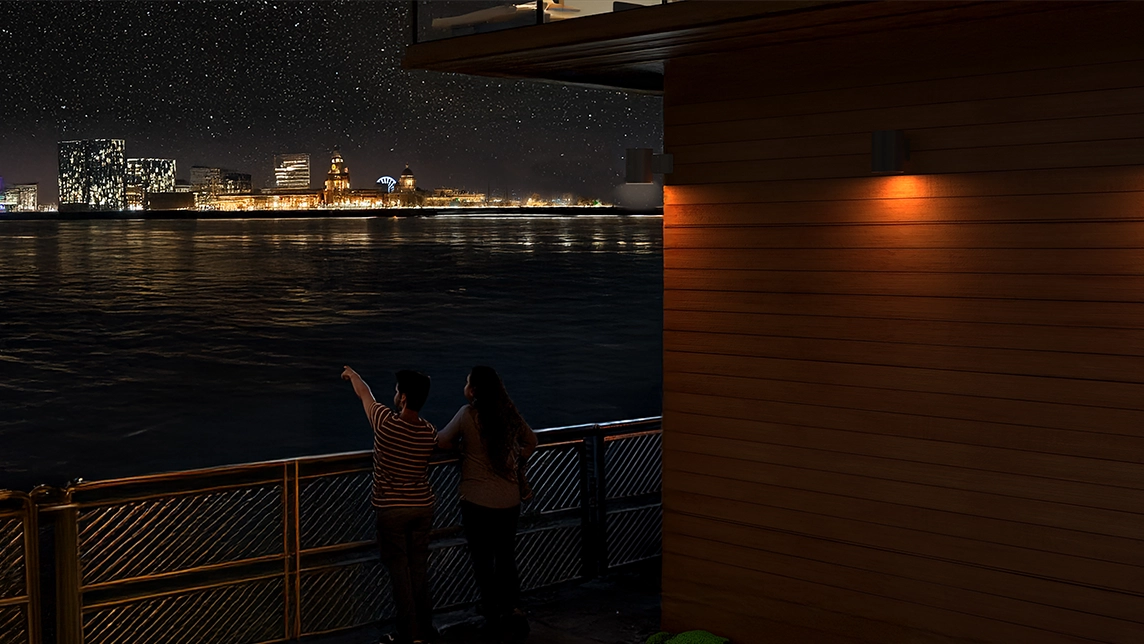
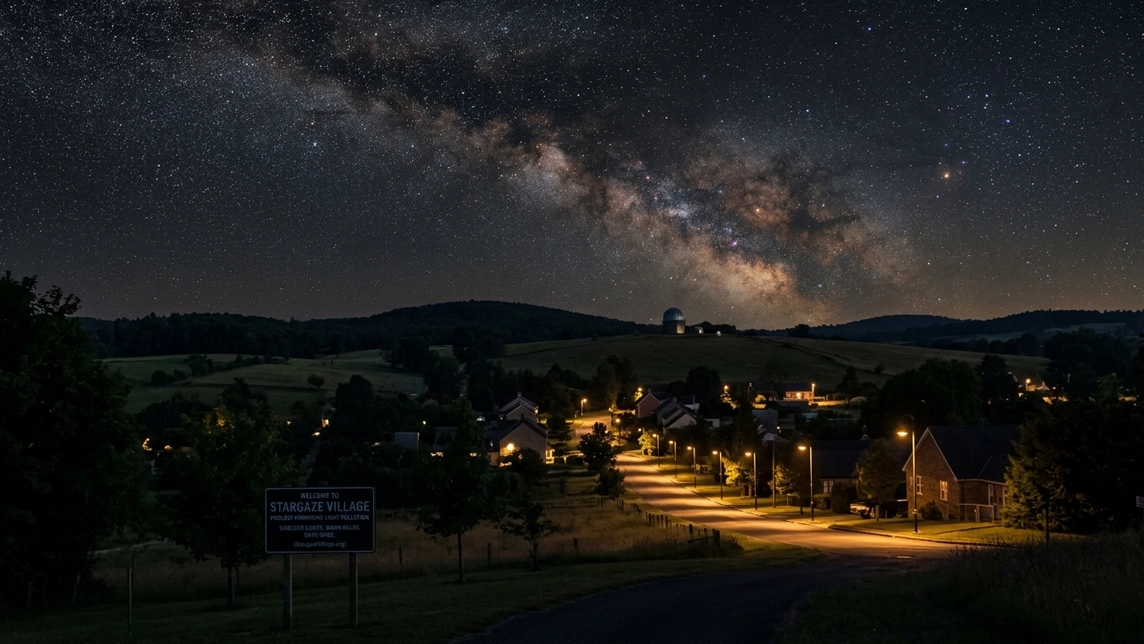
While this can be considered a nuisance for residents and may impact on stargazers, it creates severe problems for the local wildlife.
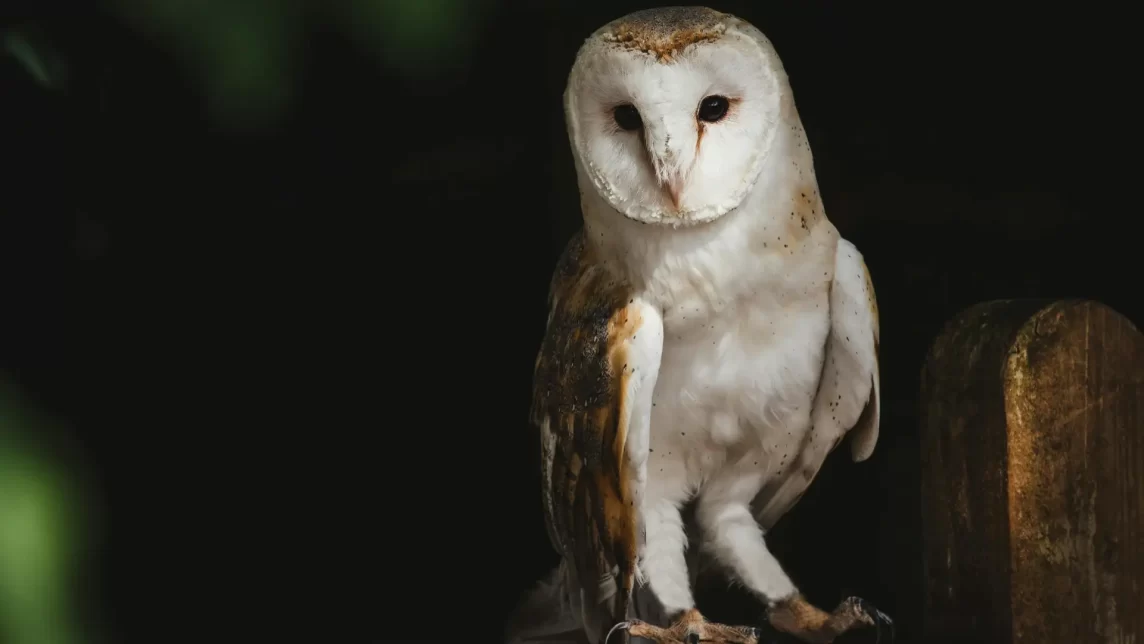
Birds, bats, insects and a menagerie of other species are all seriously affected by luminaires that do not consider their natural habits.

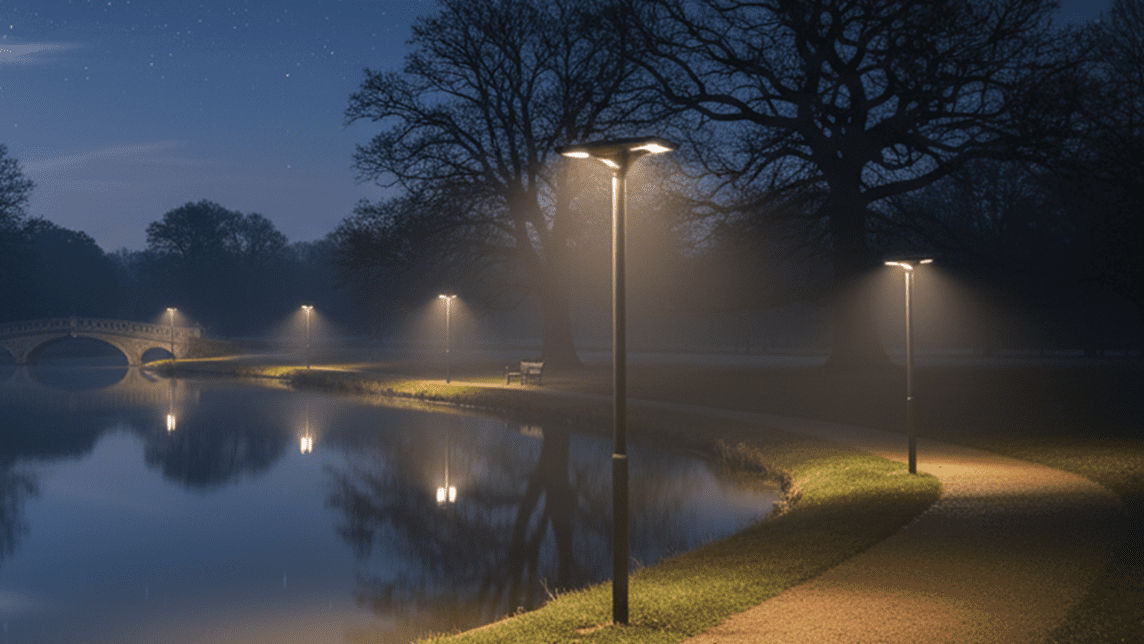
The key way to get around this is to design fittings that reduce upwards illumination. For example, Tamlite offers the TAURUS exterior bulkhead, geared towards minimising ULOR (upward light output ratio), in fact keeping it as low as 2%. Through fittings like this, light is pushed only where it needs to be, downwardly illuminating the ground to ensure people can see what they are doing without upward light pollution.
While this is a radical example, it demonstrates the importance of getting the lighting design right in outdoor spaces to ensure the right environment for both humans and the local ecology.
Talk to us about our range of urban lighting offering, and how we can deliver the right solution for your site.
Frequently Asked Questions
Studies from 2016 suggest that over 99% of the US and European population live under light-polluted skies. Beyond being a nuisance for residents and stargazers, light pollution creates severe problems for local wildlife, including birds, bats, and insects, by interfering with their natural habits. It is the responsibility of designers to create urban environments that balance human safety with ecological health.
The most effective way to combat light pollution is to design luminaires that reduce upward illumination. By focusing on a low Upward Light Output Ratio (ULOR), designers ensure that light is pushed only where it is needed—downward toward the ground. This provides necessary visibility for people without wasting energy or illuminating the sky.
The Taurus exterior bulkhead is specifically geared toward minimising upward light pollution. It maintains a ULOR as low as 2%, ensuring that the vast majority of light is directed downward. This demonstrates how precise lighting design can provide a safe environment for humans while protecting the local ecology from unnecessary glare.