
Estimated reading time: 3 minutes
Key Takeaways
- Educational spaces need to focus on lighting that enhances student wellbeing to stay competitive.
- Achieving balance between natural and artificial light supports students’ natural rhythms throughout the day.
- Dynamic and tunable lighting systems adjust light intensity and spectrum according to daily requirements, promoting biologically effective lighting.
- LED lighting provides consistent quality, uses less energy, and offers quick return on investment for schools.
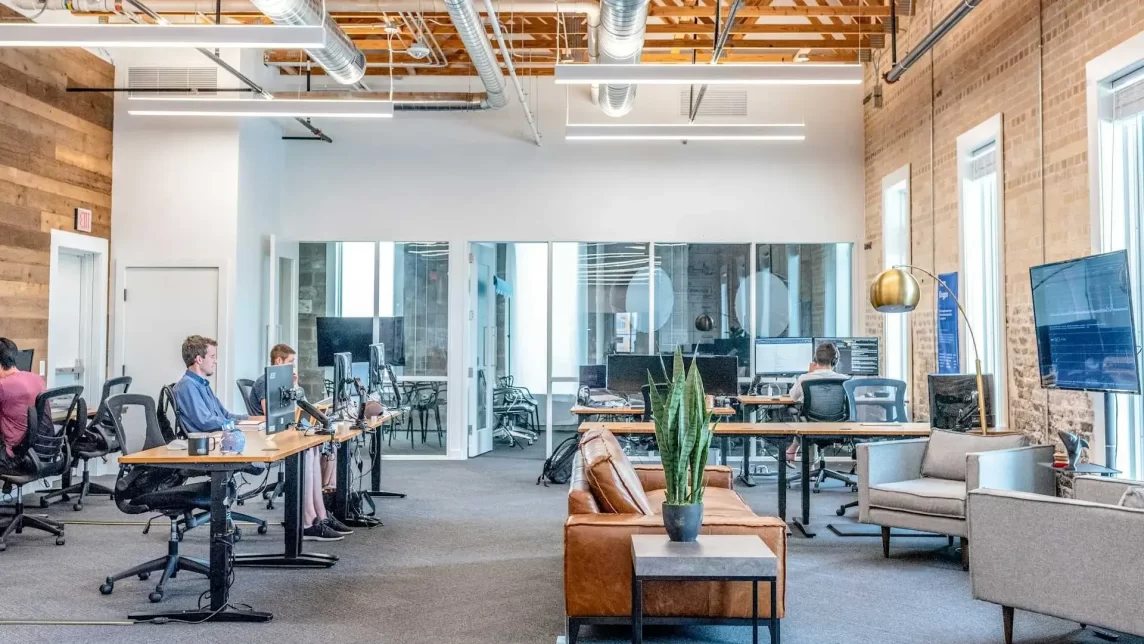
When specifying a lighting system for educational spaces like universities, colleges and schools, building engineers and consultants can rely on the fact that educational establishments are increasingly seeking out measures that can benefit their students in a highly competitive marketplace.
Schools that can provide the optimum environment for their students and staff will succeed over those that do not focus on wellbeing.
Focus on the following three ‘lessons’ and the case for upgrading may soon pass from good to compellingly persuasive.
1. Balance
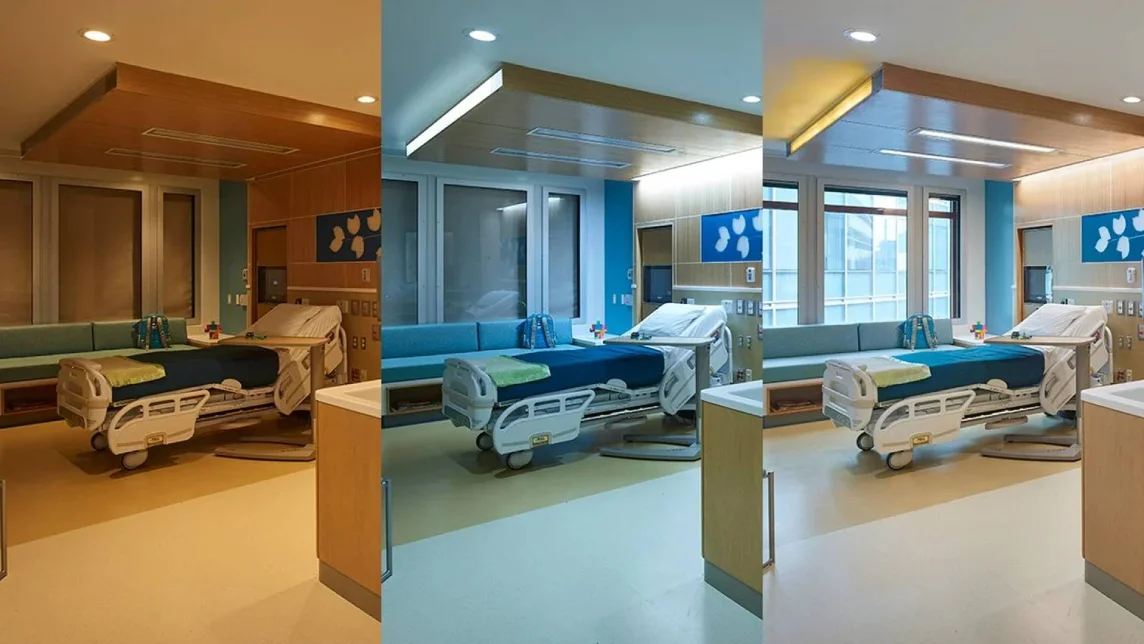
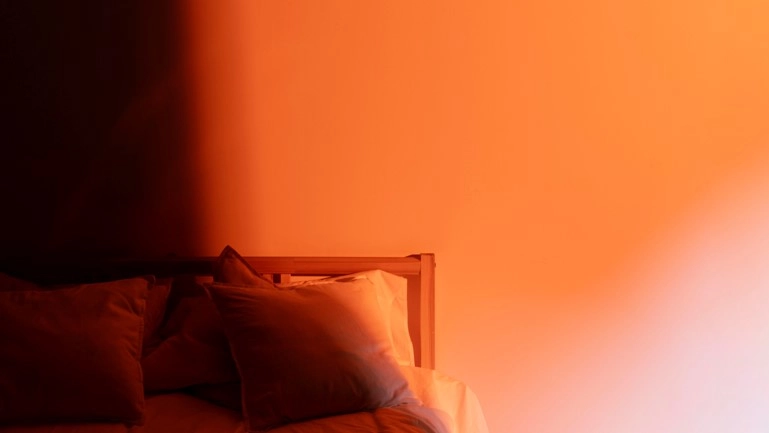
By seeking a perfect balance between natural and artificial light, with different light output at different times of day, it is possible to offer illumination that works in conjunction with students’ natural rhythms.
2. Deploying dynamic and tunable lighting systems
Light intensity and tuning spectrum, in educational spaces, can be adjusted in accordance with different requirements throughout the course of the day. This constitutes the most effective route to achieving what is increasingly being labelled as ‘biologically effective’ lighting.
3. Turning to LEDs
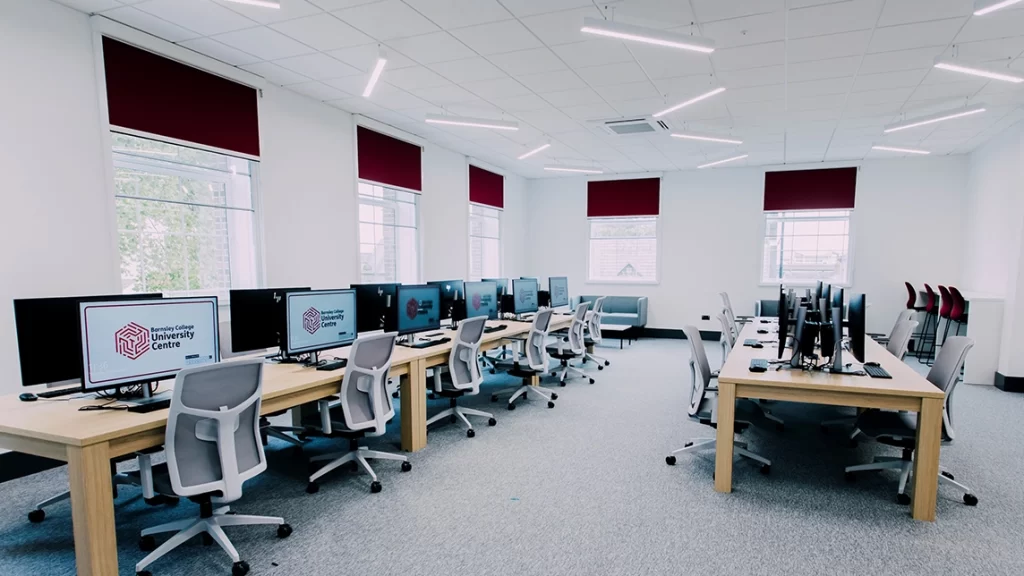
The transition to LED-based lighting has been ongoing in education for many years, but it’s always worth briefly restating some of the other primary benefits. Not only does it offer a more consistent and appealing quality of light, it also uses significantly less energy and can result in RoI periods of just a year or two – even in sizeable, school-wide installations.
For more information on Lighting for Education, visit our sector page.
Frequently Asked Questions
Educational establishments such as universities and schools are increasingly seeking measures that can benefit their students in a highly competitive marketplace. Schools that focus on wellbeing to provide the optimum environment for their staff and students are expected to succeed over those that do not.
Two specific methods are used to create “biologically effective” lighting:
Balance: Seeking a perfect balance between natural and artificial light, with different light outputs at different times of the day to work in conjunction with students’ rhythms.
Dynamic Systems: Deploying tunable lighting systems where the light intensity and spectrum can be adjusted in accordance with different requirements throughout the day.
The transition to LED-based lighting provides several key advantages:
Quality: It offers a more consistent and appealing quality of light.
Efficiency: It uses significantly less energy than traditional lighting.
Financial Return: Even in sizeable, school-wide installations, the energy savings can result in return on investment (RoI) periods of just a year or two.