
Estimated reading time: 6 minutes
Key Takeaways
- Remanufacturing significantly enhances sustainability in the lighting industry by refurbishing used products, thus reducing waste.
- This process conserves valuable resources and reduces the strain on the environment through less raw material extraction.
- It promotes a circular economy by keeping materials in use, moving away from a linear model of take, make, and dispose.
- However, challenges exist, such as evolving technology, consumer perceptions, logistics for collection, and the need for regulatory support.
- Collaborative efforts from manufacturers, consumers, and policymakers can turn remanufacturing into a key sustainable practice for the lighting sector.
Remanufacturing and Sustainability: Illuminating the Lighting Industry’s Green Path
In recent years, sustainability has emerged as a critical focus for industries across the globe. As the world faces pressing environmental challenges, businesses are increasingly seeking ways to reduce their ecological footprint and embrace more eco-friendly practices. In the lighting industry, one such promising avenue for achieving sustainability is remanufacturing. By refurbishing and reusing lighting products, remanufacturing not only reduces waste but also conserves valuable resources. In this blog article, we will delve into the concept of remanufacturing and explore its profound impact on sustainability within the lighting industry.
Understanding Remanufacturing
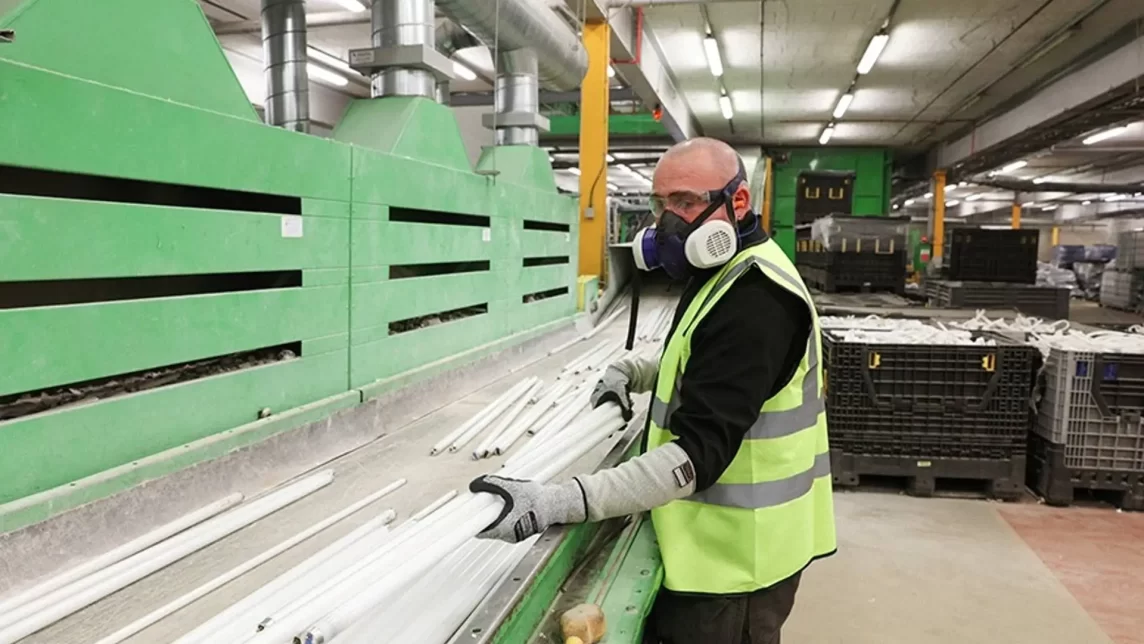
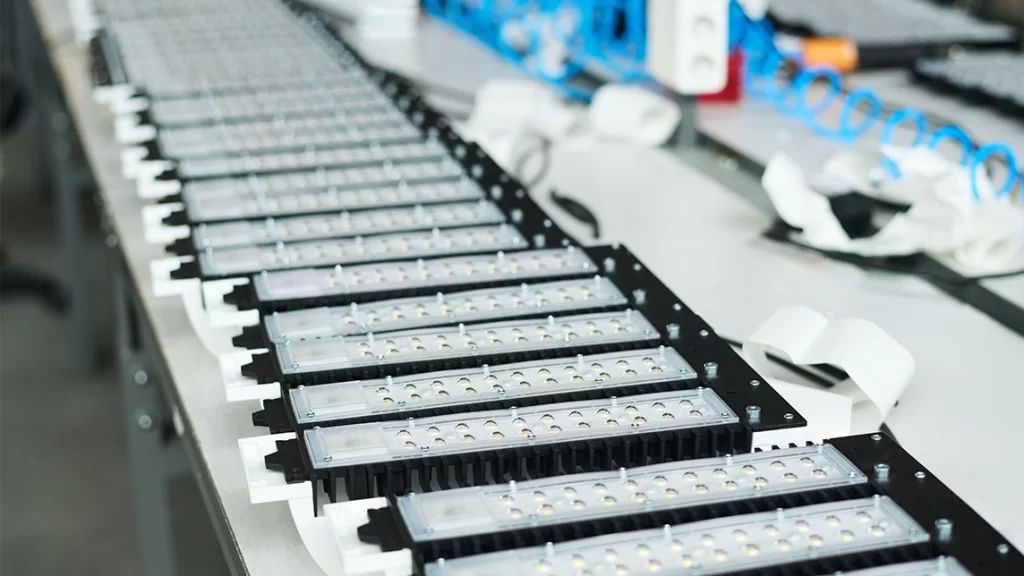
Remanufacturing is a process that involves taking used or end-of-life products, disassembling them, and restoring them to their original condition or even upgrading them to meet modern standards. In the context of the lighting industry, this means taking back used lighting fixtures, such as LED lamps, fluorescent tubes, or other lighting components, and refurbishing them to make them as good as new. The remanufacturing process goes beyond mere repair and includes thorough testing, cleaning, replacing worn-out parts, and ensuring that the product meets the same quality and performance standards as a new one.
The Sustainable Potential of Remanufacturing
Waste Reduction: One of the most apparent benefits of remanufacturing is waste reduction. Instead of discarding used lighting products, which can contribute to environmental pollution and landfill buildup, remanufacturing extends the lifespan of these items. It keeps them in use, reducing the need for raw materials and energy required to manufacture entirely new products.
Resource Conservation: The lighting industry relies heavily on valuable resources like rare earth elements, metals, and energy-intensive production processes. Remanufacturing conserves these resources by giving a second life to products that have already consumed significant amounts of resources in their original production. This, in turn, reduces the strain on the environment associated with raw material extraction and manufacturing.
Energy Savings: Remanufacturing also leads to indirect energy savings. When used products are brought back to their original efficiency levels, they require less energy to operate compared to older, less efficient versions. This contributes to overall energy conservation, aligning with the goals of sustainability and reduced carbon emissions.
Lower Emissions: By promoting remanufacturing practices, the lighting industry can help reduce greenhouse gas emissions.
The production of new lighting products often generates substantial carbon emissions, while remanufacturing emits fewer carbon emissions due to the reutilization of existing materials.
Circular Economy: Embracing remanufacturing helps foster a circular economy model, where products and materials are kept in use for as long as possible. Instead of the traditional linear approach (take, make, dispose), a circular economy aims to create a closed-loop system, minimizing waste and maximizing resource efficiency.
Challenges and Opportunities
While remanufacturing offers significant sustainability advantages, it also presents some challenges and opportunities for the lighting industry:
Technological Advancements: The lighting industry is continually evolving, with rapid advancements in technology and design. To succeed in remanufacturing, companies must invest in research and development to upgrade used products, ensuring they remain competitive with newer alternatives.
Consumer Perception: Some consumers may hesitate to purchase remanufactured lighting products due to concerns about quality and reliability. Lighting companies should address these concerns through transparent communication, certifications, and warranties, instilling confidence in their remanufactured offerings.
Logistics and Collection: Efficient logistics and collection systems are crucial for obtaining used lighting products for remanufacturing. Establishing convenient collection points or partnering with retailers to incentivize returns can help streamline the process.
Regulatory Support: Governments and regulatory bodies can play a vital role in promoting remanufacturing. By offering incentives or imposing regulations to encourage remanufacturing practices, policymakers can stimulate sustainable growth within the lighting industry.
Conclusion
Remanufacturing stands as a powerful tool in the lighting industry’s pursuit of sustainability. By breathing new life into used lighting products, the industry can substantially reduce waste, conserve resources, and contribute to a more circular and eco-friendly economy. With collaborative efforts from manufacturers, consumers, and policymakers, remanufacturing can become a shining example of sustainable practices, illuminating the path towards a greener future for the lighting industry and beyond.
View our podcast on Remanufacturing with The Light Review
Frequently Asked Questions
Remanufacturing is a comprehensive process where used or end-of-life lighting products—such as LED lamps and fluorescent tubes—are taken back, completely disassembled, and restored to their original condition or upgraded to meet modern standards. It goes beyond simple repair, involving thorough testing, cleaning, and replacing worn-out parts to ensure the final product meets the exact same quality and performance standards as a brand-new item.
Remanufacturing offers profound environmental benefits across several key areas:
Waste Reduction: It extends the lifespan of lighting items instead of letting them contribute to landfill buildup, which minimises the need for raw materials and energy to make new products.
Resource Conservation: By giving a second life to fixtures, it conserves valuable metals and rare earth elements, reducing the environmental strain of raw material extraction.
Energy Savings & Lower Emissions: Reconditioned products operate more efficiently than older, worn versions, reducing operational energy. Furthermore, reusing existing materials generates substantially fewer carbon emissions than manufacturing new products from scratch.
Circular Economy: It helps move the industry away from a wasteful ‘take, make, dispose’ linear approach and towards a closed-loop system that maximises resource efficiency.
While highly sustainable, companies face specific hurdles and opportunities when implementing remanufacturing:
Technological Advancements: Because lighting technology evolves rapidly, companies must invest in R&D to upgrade older fixtures so they remain competitive with brand-new alternatives.
Consumer Perception: To combat potential hesitation from buyers regarding quality and reliability, manufacturers need to provide transparent communication, clear certifications, and warranties.
Logistics and Collection: Businesses must establish efficient collection systems, convenient drop-off points, or retail partnerships to streamline the return of end-of-life products.
Regulatory Support: Policy makers need to offer incentives or introduce regulations that actively encourage sustainable remanufacturing practices.