

Estimated reading time: 5 minutes
Key Takeaways
- The ongoing energy crisis poses severe challenges, with IEA warning of three years of market volatility due to rising global demand.
- BESA emphasizes the urgent need for a national retrofit programme to improve building efficiency amid increasing energy costs.
- Businesses and schools face escalating energy bills, with some schools reporting significant budget impacts.
- To combat carbon emissions, immediate action is required; CIBSE has released a digital tool to calculate embodied carbon in building systems.
- Public concern over environmental issues includes a strong demand for a ban on single-use plastics, as revealed by an IPSOS poll.
There is no getting away from the on-going energy crisis. The news at the start of the year offered a stark warning to many organisations, with the IEA suggesting that global surge in demand for energy could spark another three years of market volatility.
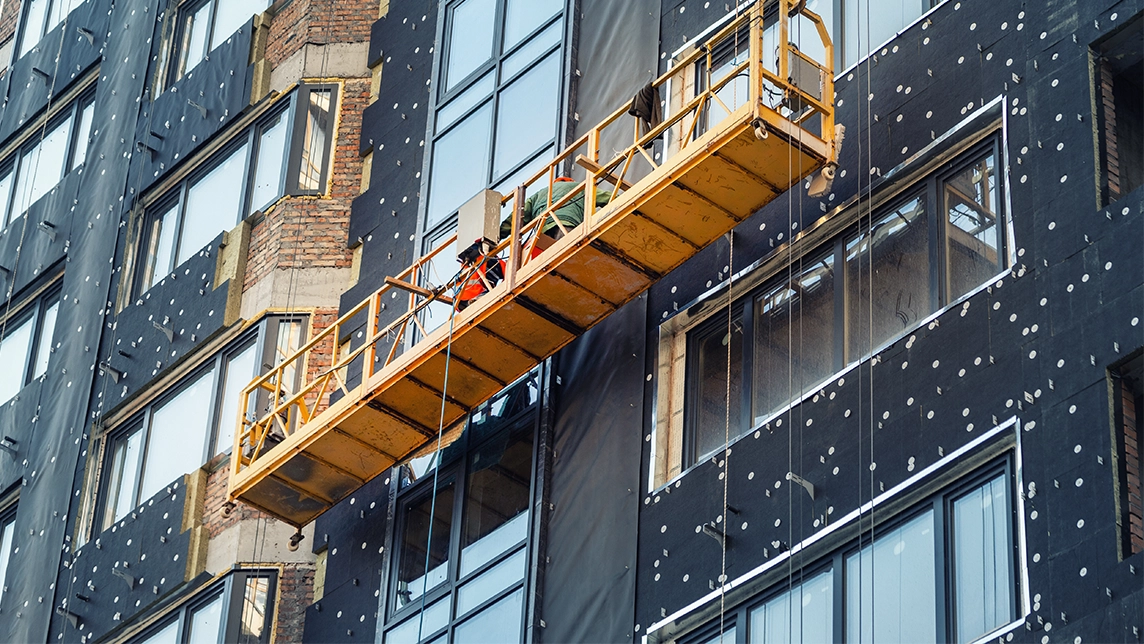
In response, the Building Engineering Services Association (BESA) such demand will reinforce the need for a national programme of building retrofits. The leading trade association pointed out the need for a comprehensive plan to address the poor efficiency of buildings, saying “we can fix energy efficiency relatively quickly and cost-effectively through renovation and refurbishment – unless we fundamentally tackle the energy performance of both residential and commercial buildings this will simply become a bigger and bigger problem in the years to come.”
Retrofitting and energy use
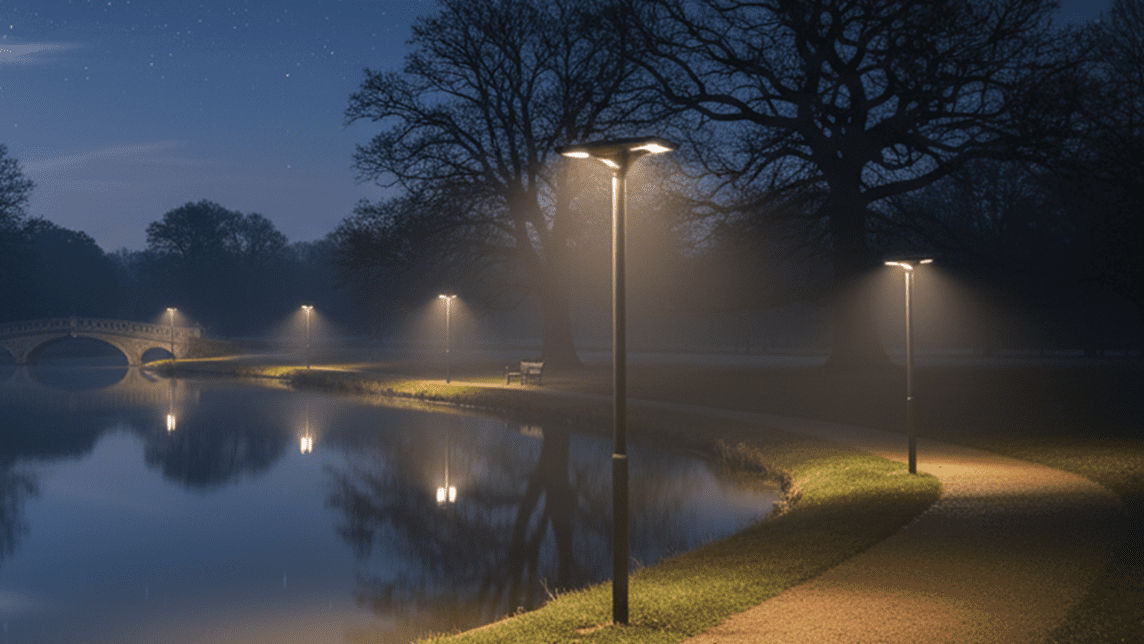
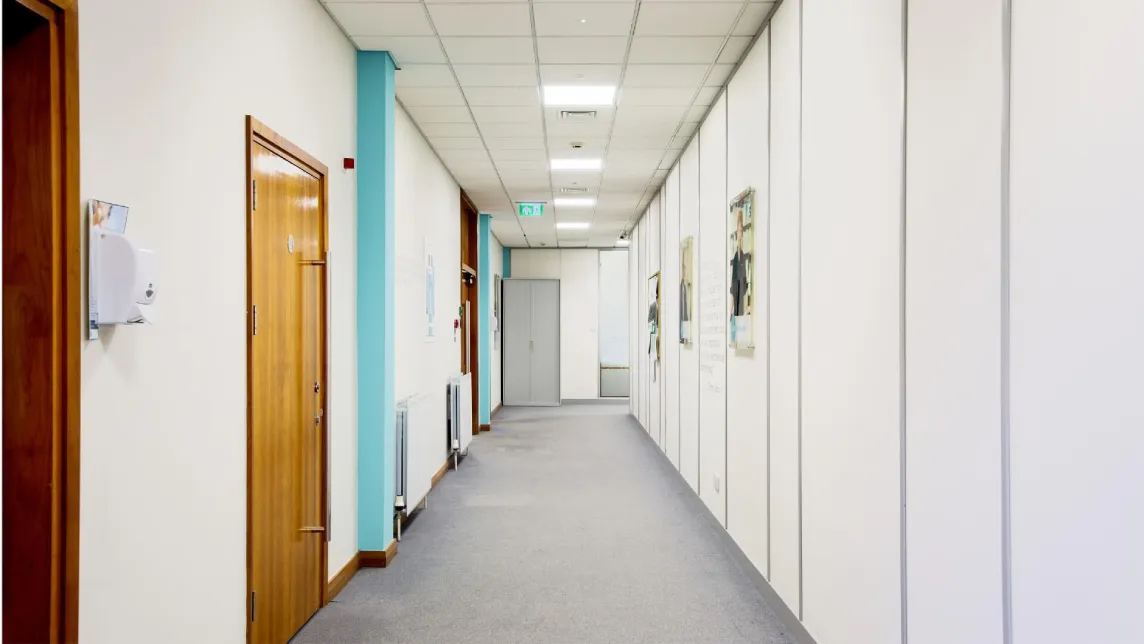
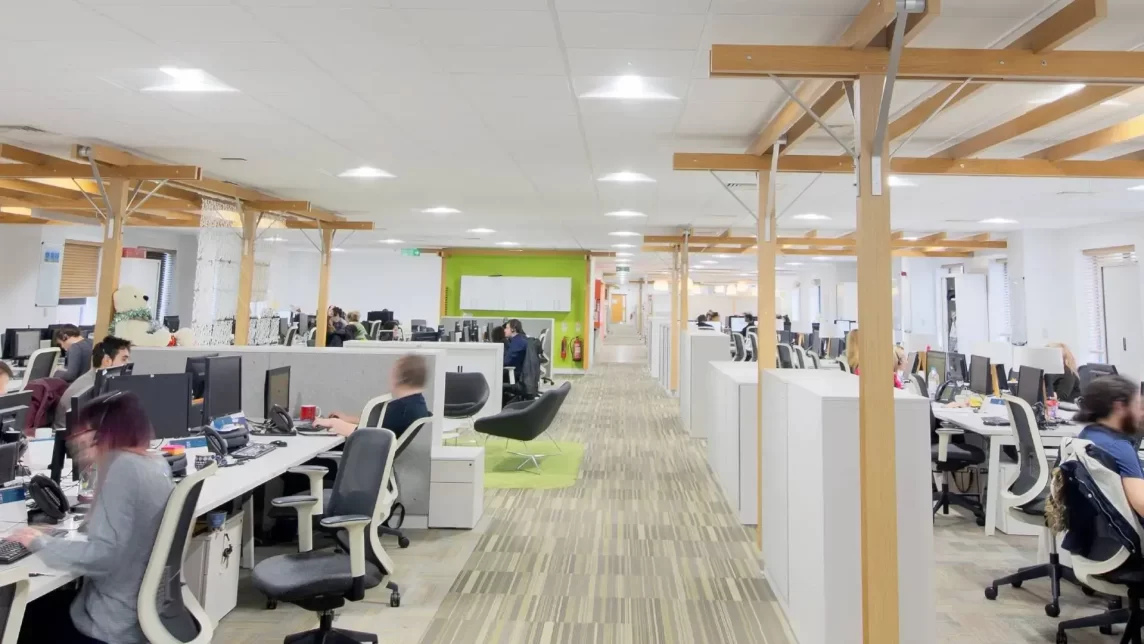
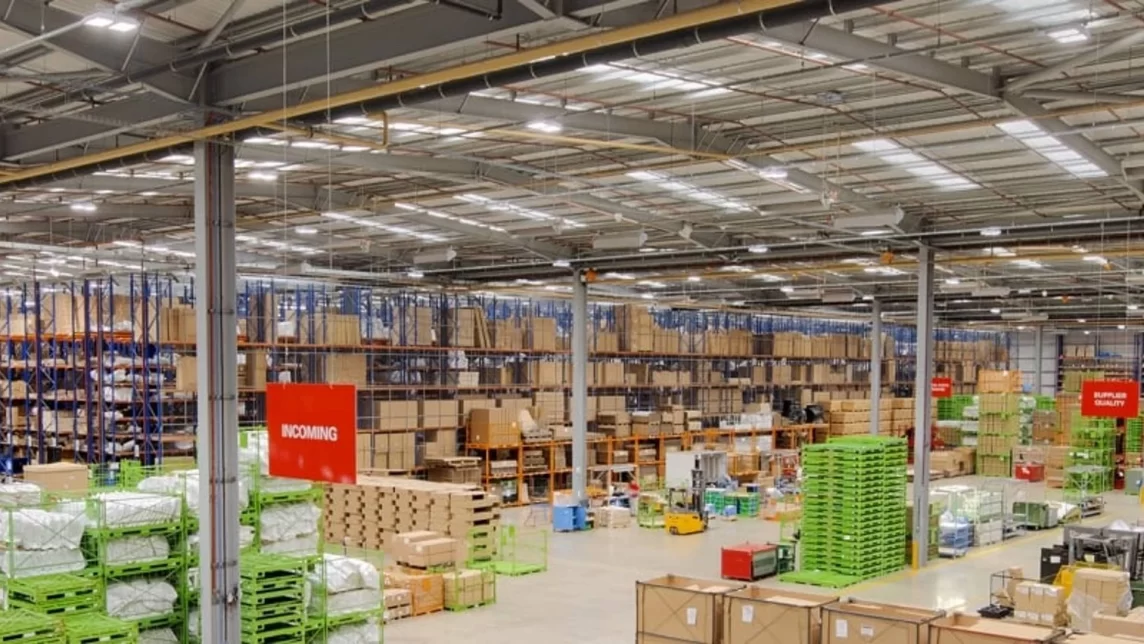
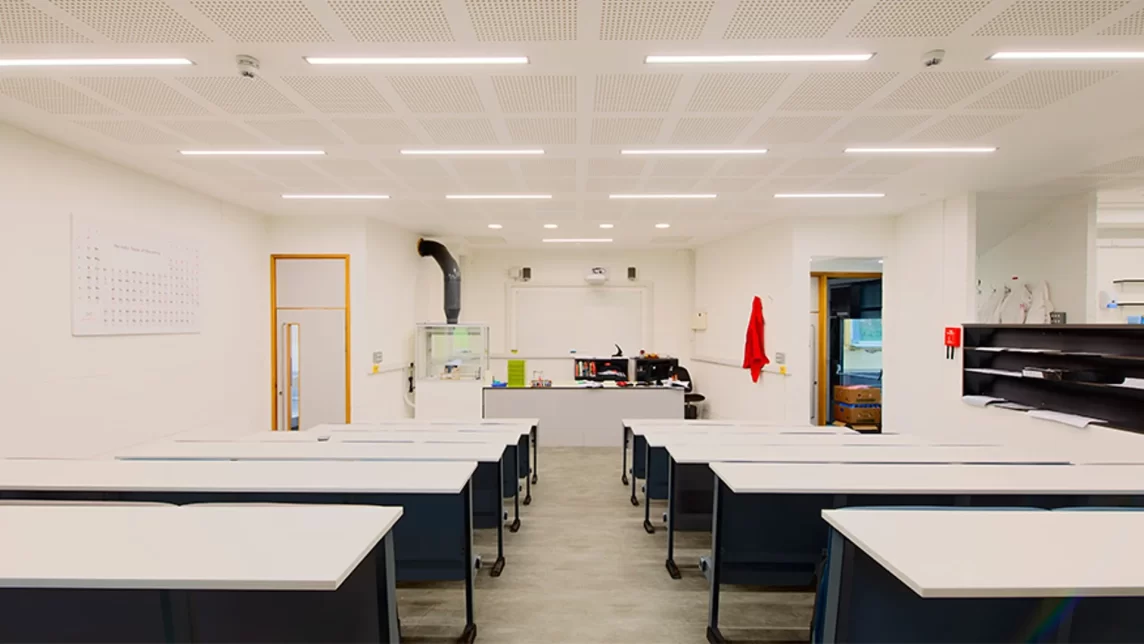
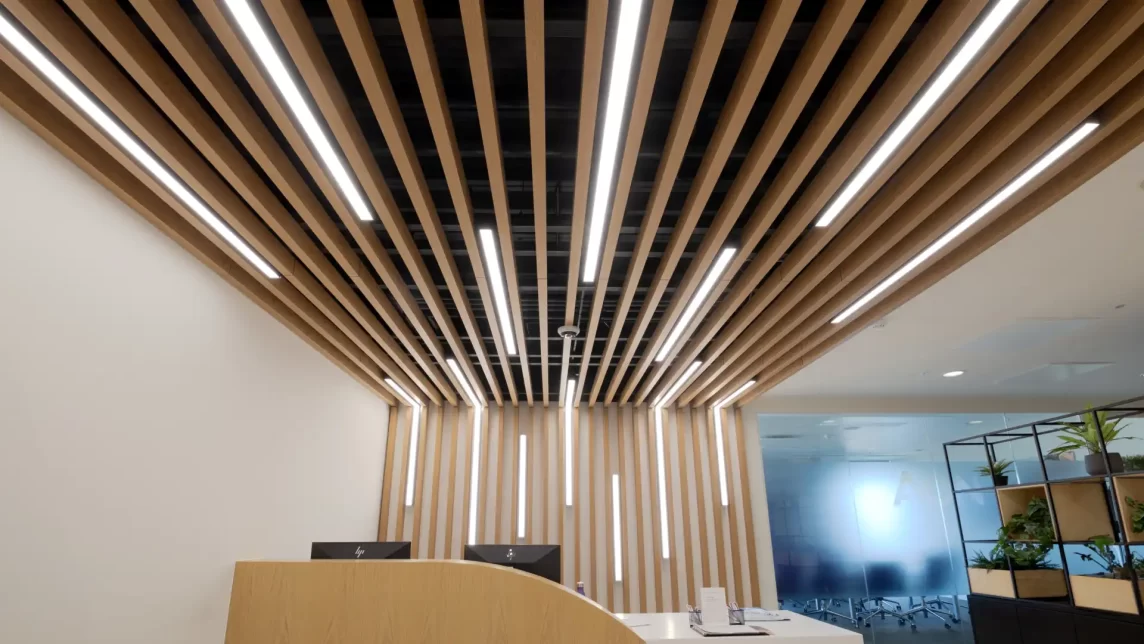
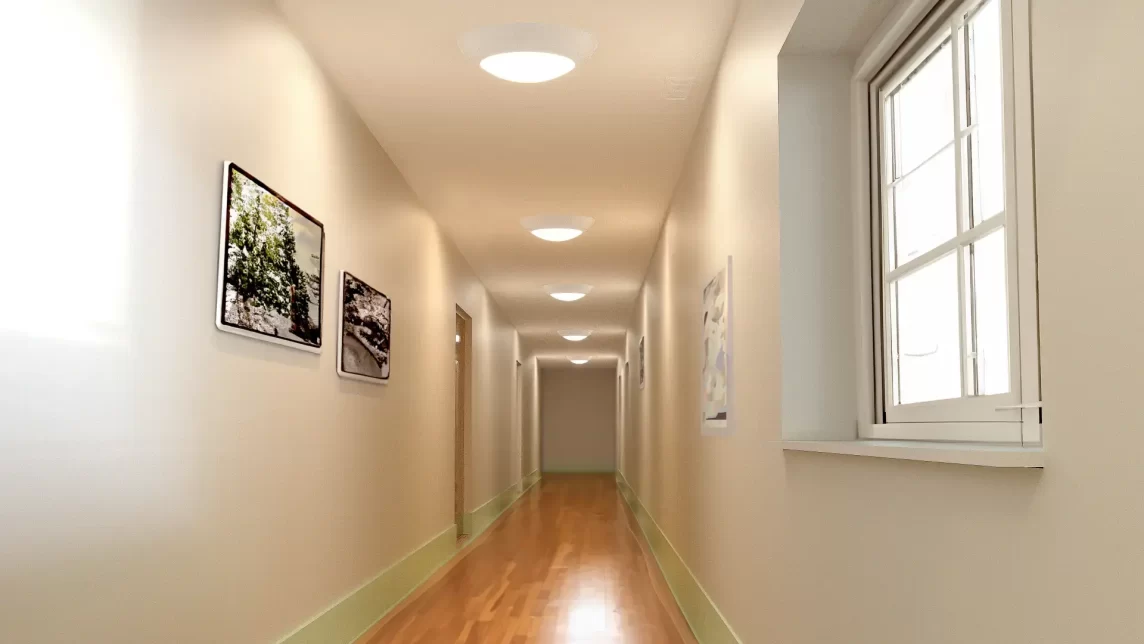
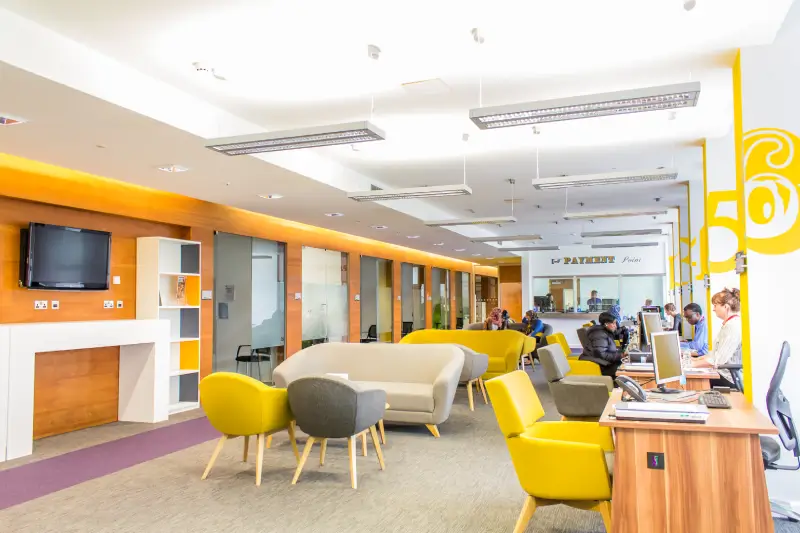
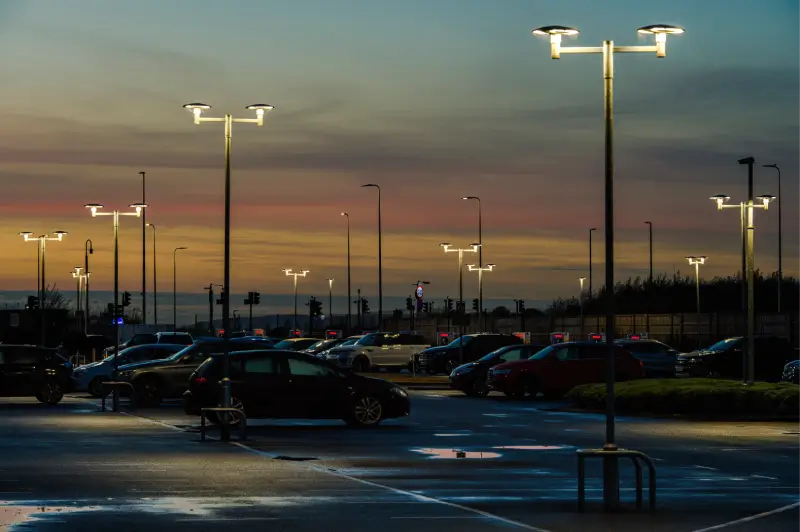
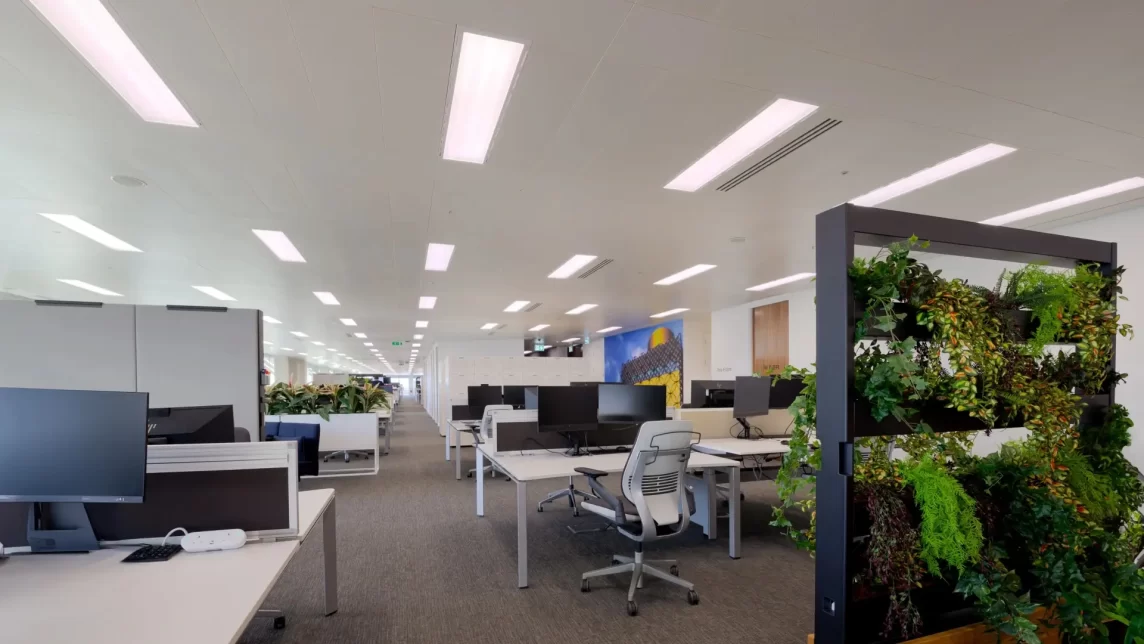
BESA’s thoughts mirror our own on how retrofitting will be key to improving energy use in the face of increasing operational costs. Lighting is a huge source of energy consumption, and too often we find building owners and operators have forgotten the simple changes that can make a big difference. With an increasing need for building systems to perform both effectively and cost-effectively, upgrades are easy to do and should be seen as a key part of any energy saving and decarbonisation plan.
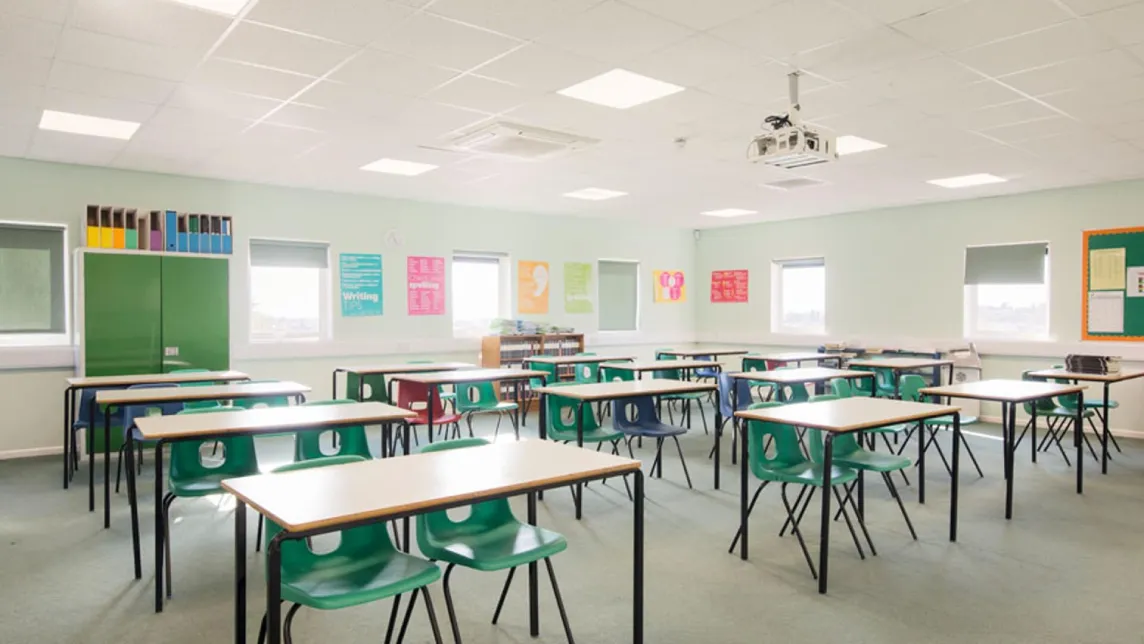
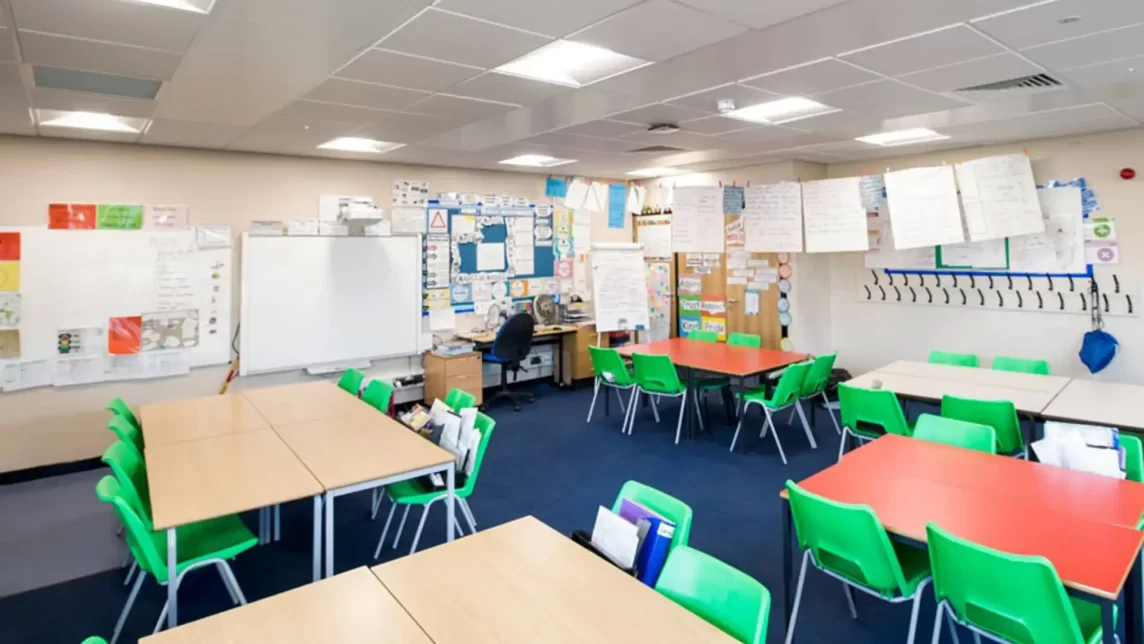
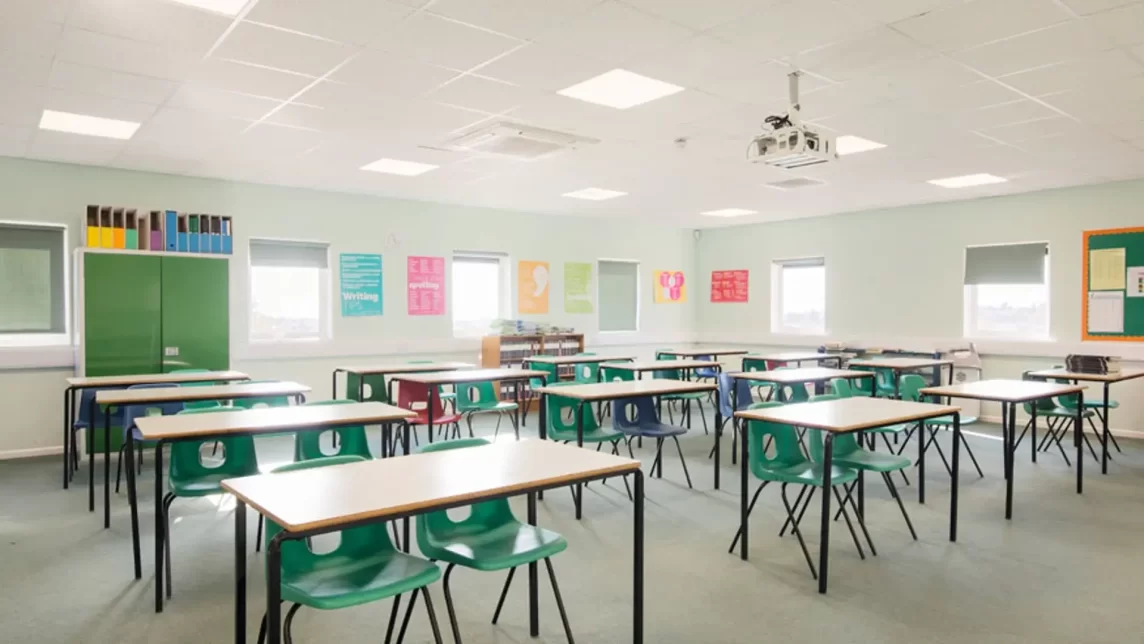
It’s not just businesses who are being affected by the energy price rises. Schools too are being hit with astronomical bills that are swamping budgets.
The report in TES magazine highlighted the scale of the issue being faced, with one school reporting a £67,000 increase for the current financial year.
Acting on carbon emissions.
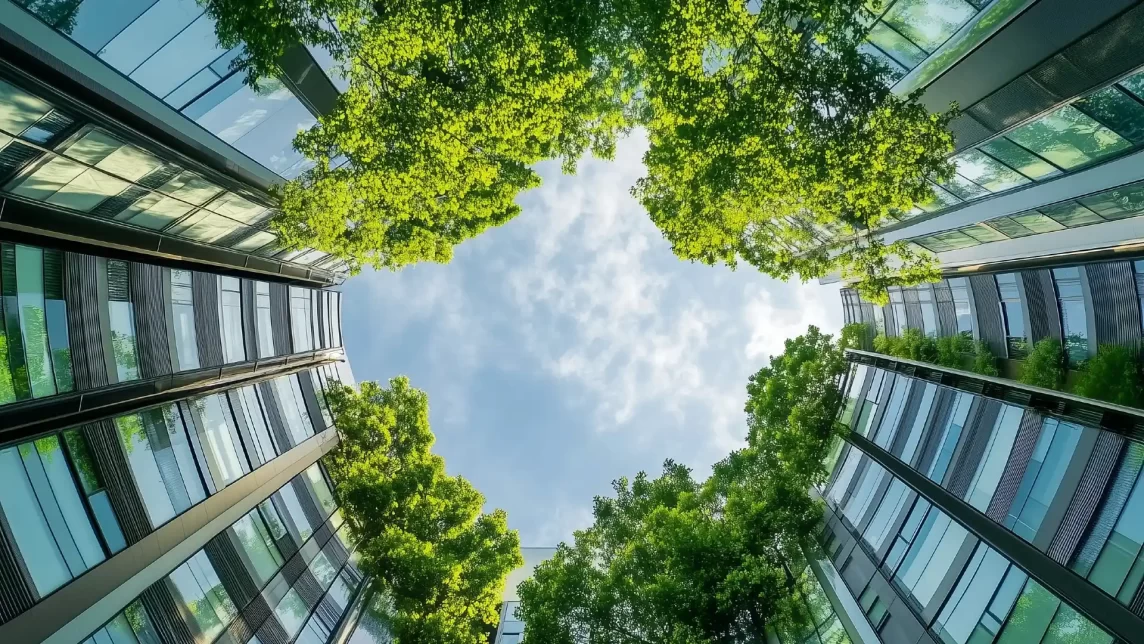
For businesses, the pressures of the energy crisis are taking place against the increasing need for greater sustainability. It has become clear that urgent action needs to be taken in this area, with the findings of the Met Office annual CO2 forecast stating that the rate at which carbon emissions are added to the atmosphere needs to come to a rapid and complete stop if the world is to meet its goal of limiting global warming to 1.5°C2.
To help tackle the issue of carbon emissions from buildings, The Chartered Institution of Building Services Engineers (CIBSE) has published a digital Embodied Carbon Calculator tool to enable engineers to estimate the embodied carbon associated with mechanical, electrical and public health systems in buildings.
Reduce, reuse, recycle, recover
Yet reducing carbon emissions is not the only environmental issue being faced. The Organisation for Economic Co-operation and Development (OECD) recently revealed the findings of a global stocktake of plastic production and pollution. It’s The Global Plastics Outlook used global, country and sector-level data to show how plastic production, use and waste has grown in recent decades, with warnings that the growth of the plastics market had outpaced economic growth by almost 40%.
This comes at the same time an IPSOS poll of more than 20,000 people across 28 countries found that three in four wanted a ban in single use plastics introduced as soon as possible.
Frequently Asked Questions
The International Energy Agency (IEA) has warned that a global surge in energy demand could spark another three years of market volatility. In response, the Building Engineering Services Association (BESA) states that a national programme of retrofits is necessary to fix the poor efficiency of buildings quickly and cost-effectively through renovation and refurbishment. BESA warns that unless the energy performance of residential and commercial buildings is fundamentally tackled, this will become a larger problem in the coming years.
Lighting is a major source of energy consumption, yet building owners and operators frequently overlook the simple changes that can make a major difference. Upgrading lighting systems is easy to execute and should be viewed as a central element of any energy-saving and decarbonisation plan, helping building systems perform both effectively and cost-effectively as operational costs rise.
The Met Office annual CO2 forecast states that the rate of carbon emissions added to the atmosphere must come to a rapid and complete stop to limit global warming to 1.5°C. To assist engineers in tackling this issue, The Chartered Institution of Building Services Engineers (CIBSE) has published a digital Embodied Carbon Calculator tool. This tool enables engineers to estimate the embodied carbon specifically associated with mechanical, electrical, and public health systems in buildings.
A global stocktake by the Organisation for Economic Co-operation and Development (OECD) revealed that the growth of the plastics market has outpaced economic growth by nearly 40% in recent decades. Alongside these findings, an IPSOS poll of more than 20,000 people across 28 countries revealed that three in four people want a ban on single-use plastics introduced as soon as possible.