
Estimated reading time: 4 minutes
Key Takeaways
- Urban lighting plays a crucial role in achieving net zero; it’s not just about indoor lighting design.
- Upgrading streetlamps to LED can save the UK £77 million and reduce energy waste.
- Effective urban lighting design minimises light spill and directs light only where needed, improving energy efficiency.
- Using luminaires with high optical control and lower ULOR helps to ensure light is angled downward, reducing wasted light.
- Retrofitting outdated lighting in urban areas is essential to lower energy consumption and carbon emissions.
One of the biggest misconceptions about reaching net zero is that it is only indoor lighting design where we can make a difference.
The outside world’s role is just as vital. The Energy Saving Trust reports if every streetlamp in the UK was upgraded to LED, it would save in the region of £77million.
It is not just the lighting technology itself; it is also the design that needs improving as a whole. Poor lighting design not only results in energy waste but light spill and light intrusion.
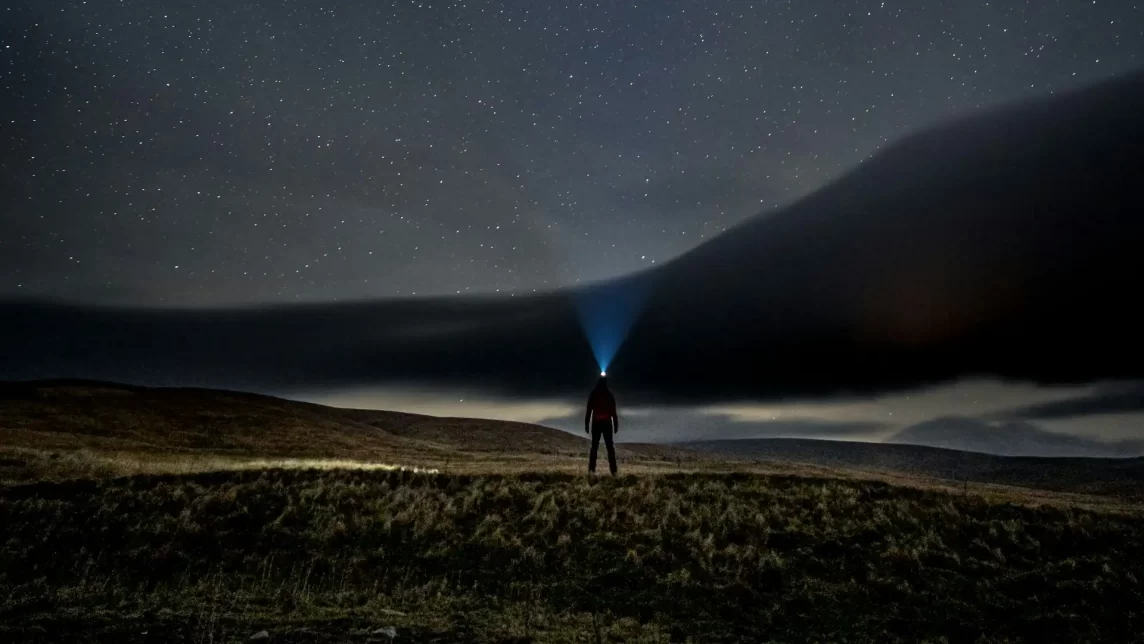
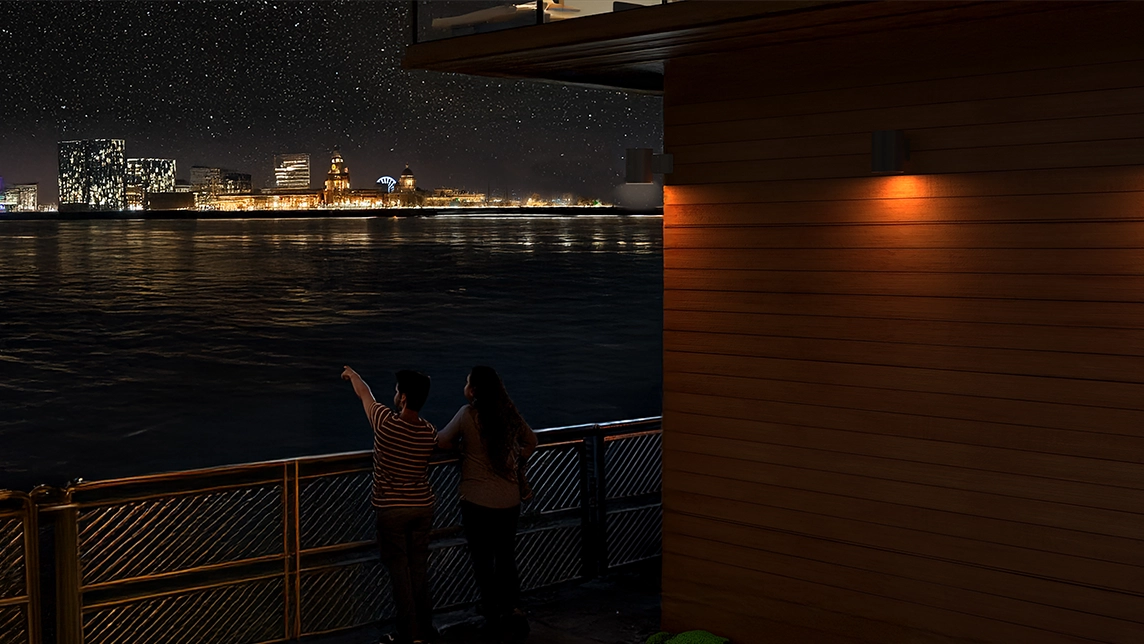
Dark Sky Lighting
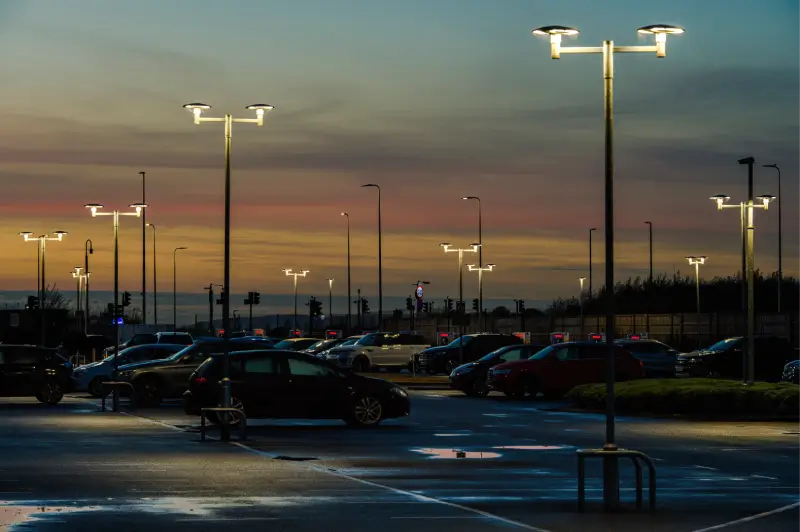
The International Dark-Sky Association (IDA) estimates that 35% of artificial light is wasted by being poorly aimed or unshielded.
For the government to reach its target of net zero for 2050, unnecessary waste must be addressed. The best way to tackle this is to use luminaires with high optical control.
A luminaire with high optical control will offer a better direction of light and will be more energy efficient.
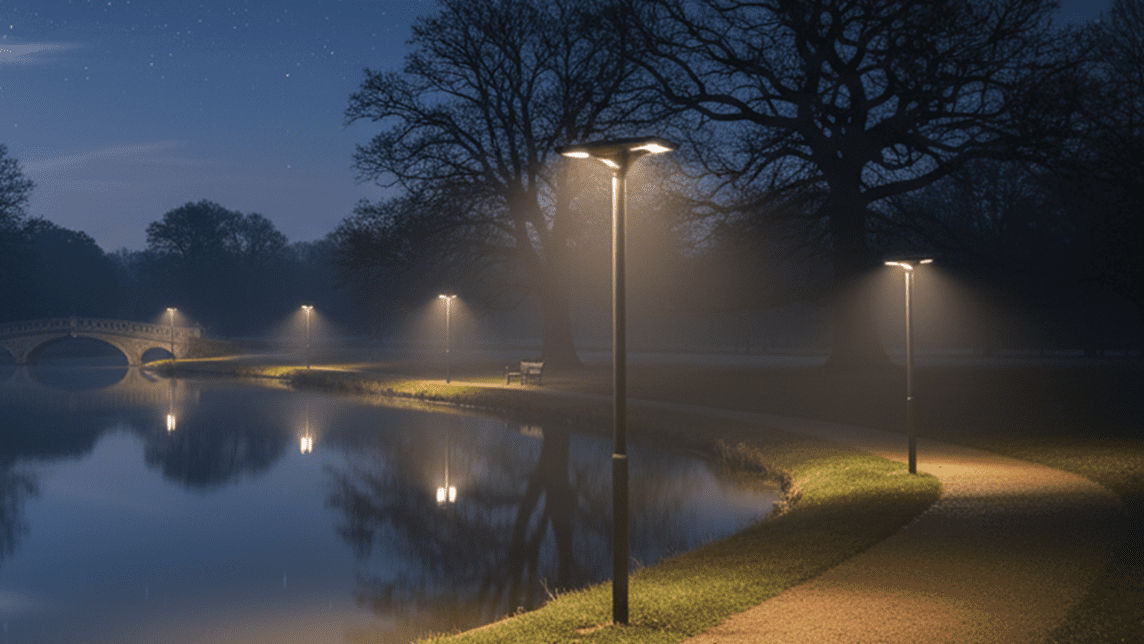
This is thanks to the avoidance of light spill – only directing the light and covering the area it needs to.
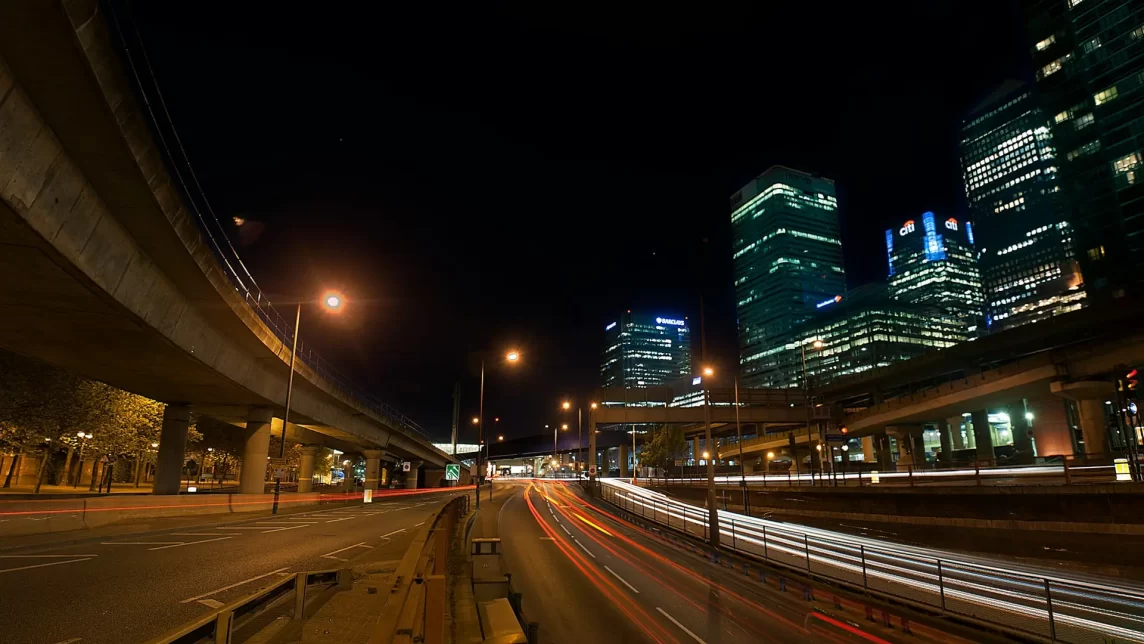
The nature of urban spaces can vary, and lighting must be able to adapt its design in order to meet the different demands. But one universal principle is essential when delivering urban illumination: lighting should be highly directional and provide light only where it is needed.
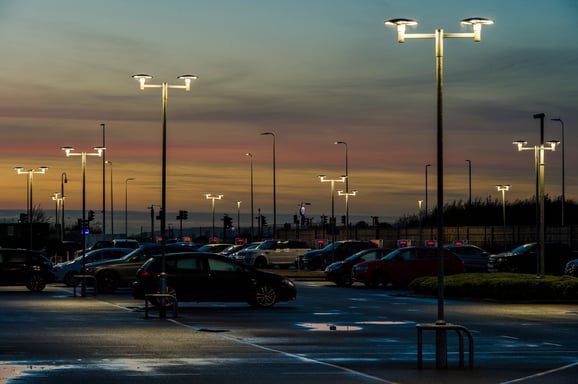
ULOR (Upwards Light Output Ratio) describes the amount of upward light distributed from a luminaire. For urban solutions, this ratio needs to be as small as possible to ensure that the output is angled downwards.
LED Fixtures
Combined with warmer LED fixtures, such systems can ensure that lighting is radiated into the right space at the right time, reducing energy waste and carbon emissions.
Less unnecessary light use means less energy waste. Less energy waste is the key to reaching the finish line by 2050.
Public sectors who actively strive to introduce lighting upgrades in their urban spaces will not only reduce their energy consumption but will also see a significant reduction on their energy bills.
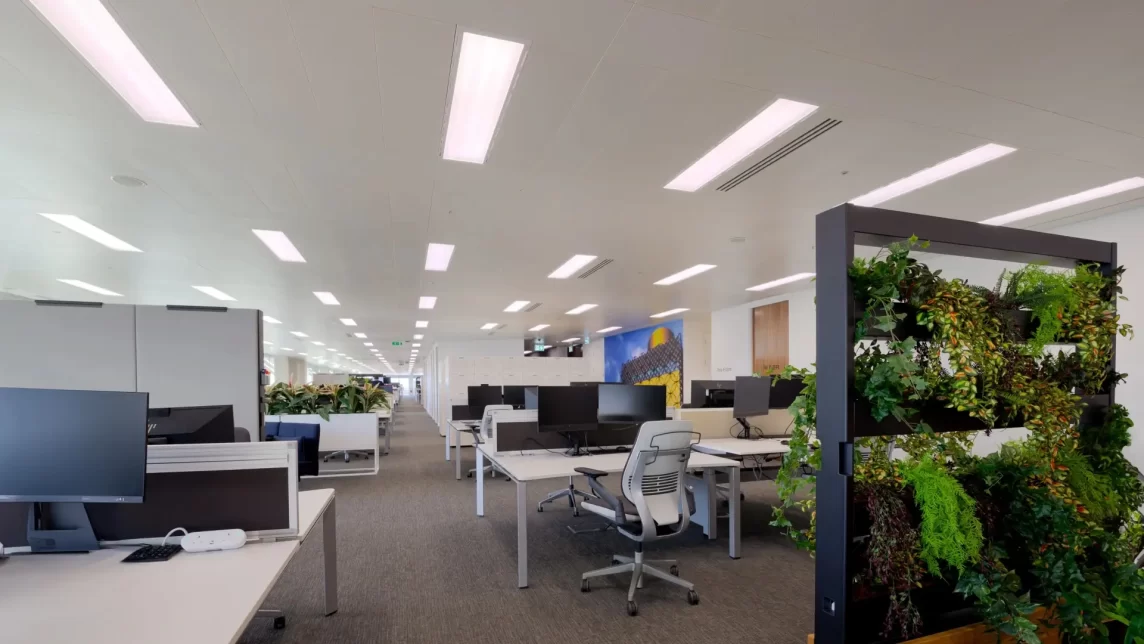
The drive towards decarbonisation is intensifying. The need for retrofitting outdated lighting is vital both within and outside our buildings – only if we address both will we see a significant reduction in lighting’s environmental impact.
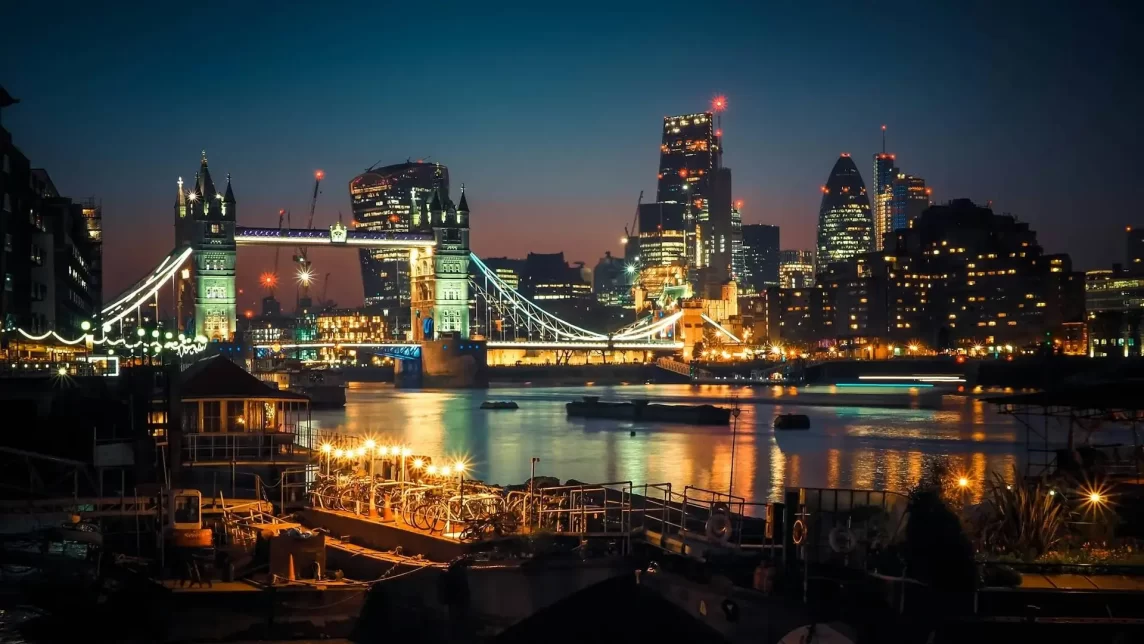
Take a look at how Tamlite lights the urban night sky on our website.
Frequently Asked Questions
Reaching net zero is not limited to indoor design; the outside world plays a vital role in energy consumption. According to the Energy Saving Trust, upgrading every streetlamp in the UK to LED technology would result in savings of approximately £77 million. Addressing both indoor and outdoor lighting is vital to achieving a significant reduction in the environmental impact of our buildings.
Poor lighting design leads to energy waste, light spill, and light intrusion. The International Dark-Sky Association (IDA) estimates that 35% of all artificial light is wasted because it is poorly aimed or unshielded. To address this, luminaires with high optical control are necessary, as they direct light only where it is needed and avoid unnecessary spill.
Urban lighting must be highly directional, utilising luminaires with a low Upward Light Output Ratio (ULOR) to ensure light is angled downwards. When these systems are combined with warmer LED fixtures, lighting is radiated into the right space at the right time. This reduction in unnecessary light use decreases energy waste and carbon emissions, helping public sectors reduce their energy consumption and electricity bills.