
Key Takeaways
- Wellbeing encompasses more than happiness, including life satisfaction, purpose, and a sense of control.
- The WELL Building Standard identifies seven environmental factors influencing wellbeing.
- Lighting significantly impacts circadian rhythms, which affect sleep, hunger, and overall performance.
- With people spending 90% of their time indoors, artificial lighting’s effects on wellbeing are crucial to consider.
- For further insights, explore the CIBSE-Certified CPD Module on Lighting for Wellbeing.
Estimated reading time: 3 minutes
Wellbeing is a much broader concept than moment-to-moment happiness, it also includes things such as how satisfied people are with their life as whole, their sense of purpose, and how in control they feel.
According to the WELL Building Standard, there are seven environmental factors that affect a person’s wellbeing:
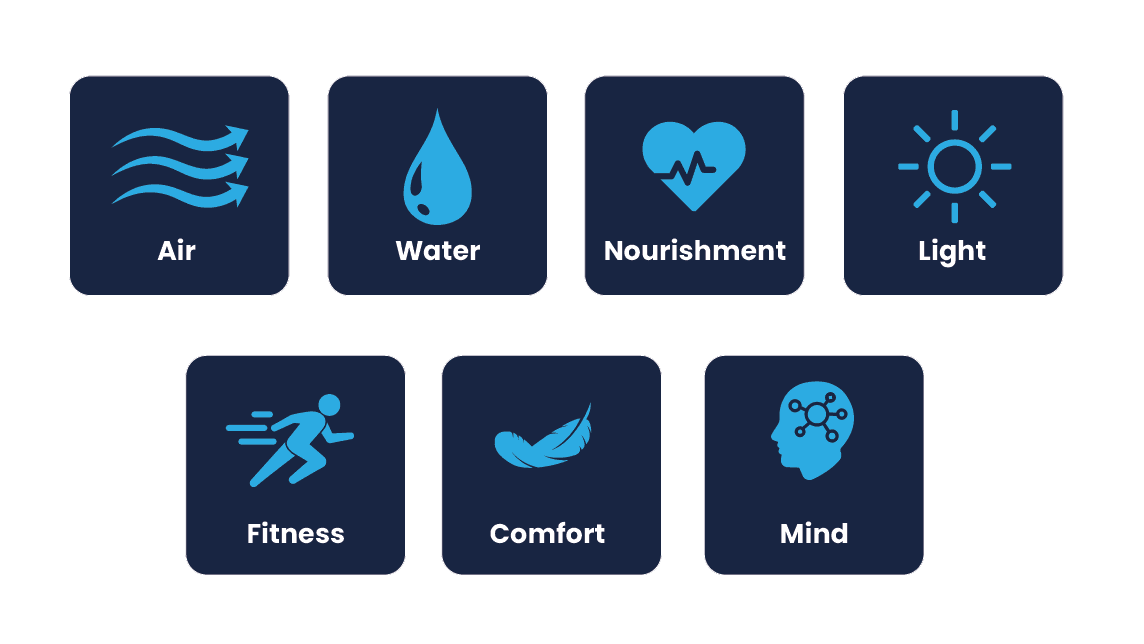
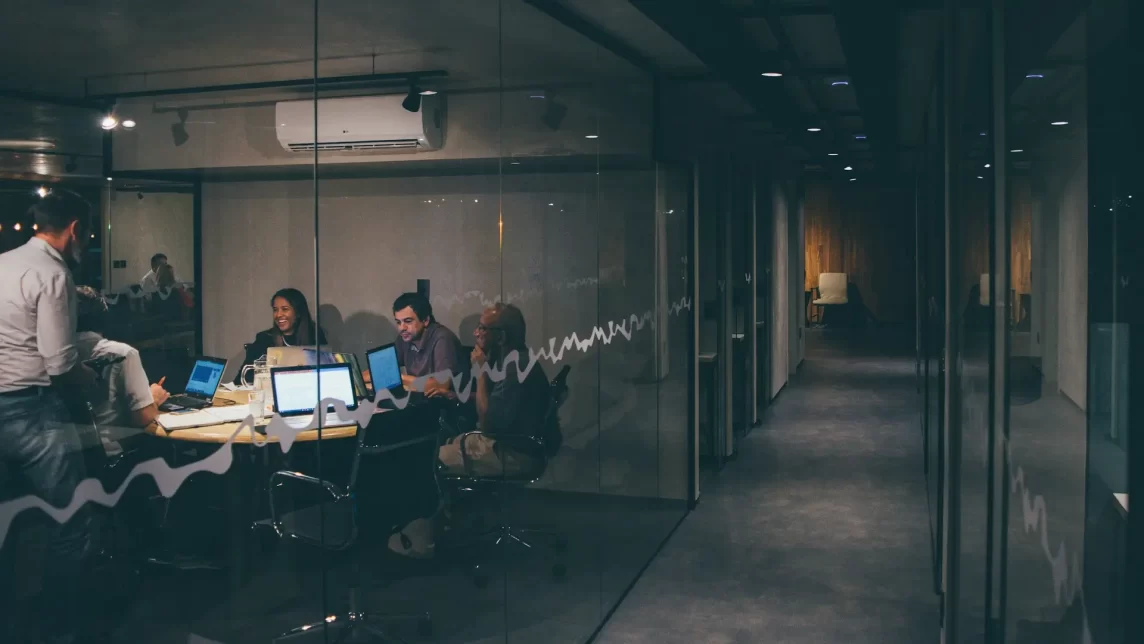
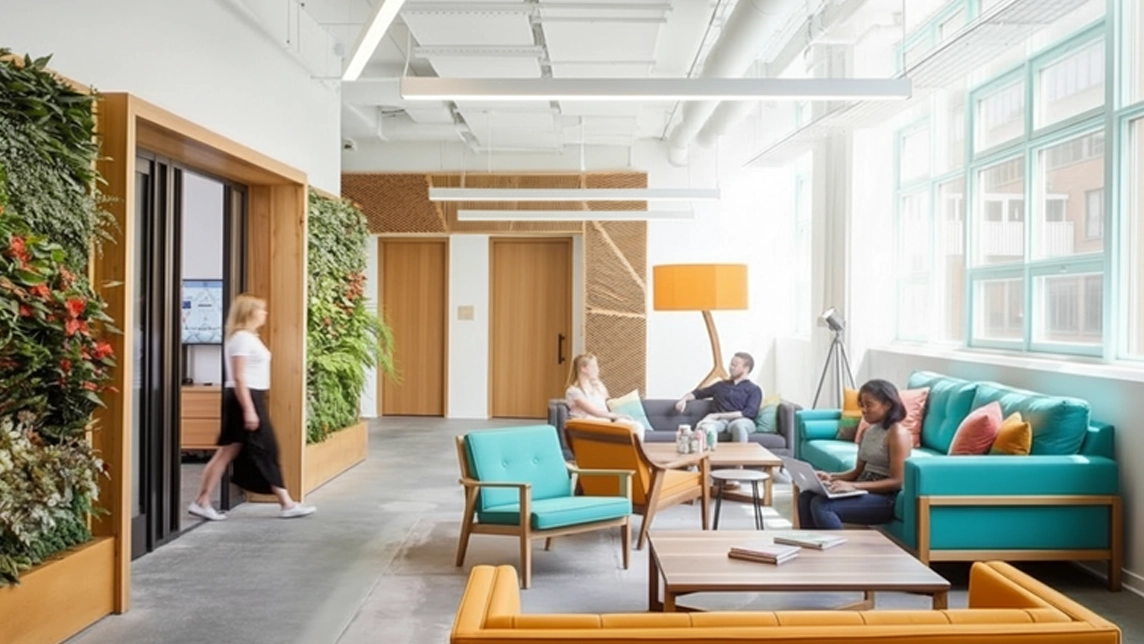
As the image shows, the power of light, or lack thereof, will influence a person’s sense of wellbeing, leading to a more positive or negative outlook.
Lighting directly affects a person’s circadian rhythm, which regulates their hunger, wake/sleep cycle and a range of other important rhythms.
The natural course of light, with the cycle of intensity, colour temperature and spectral range, enhances this circadian rhythm, and allows us to perform to our best.
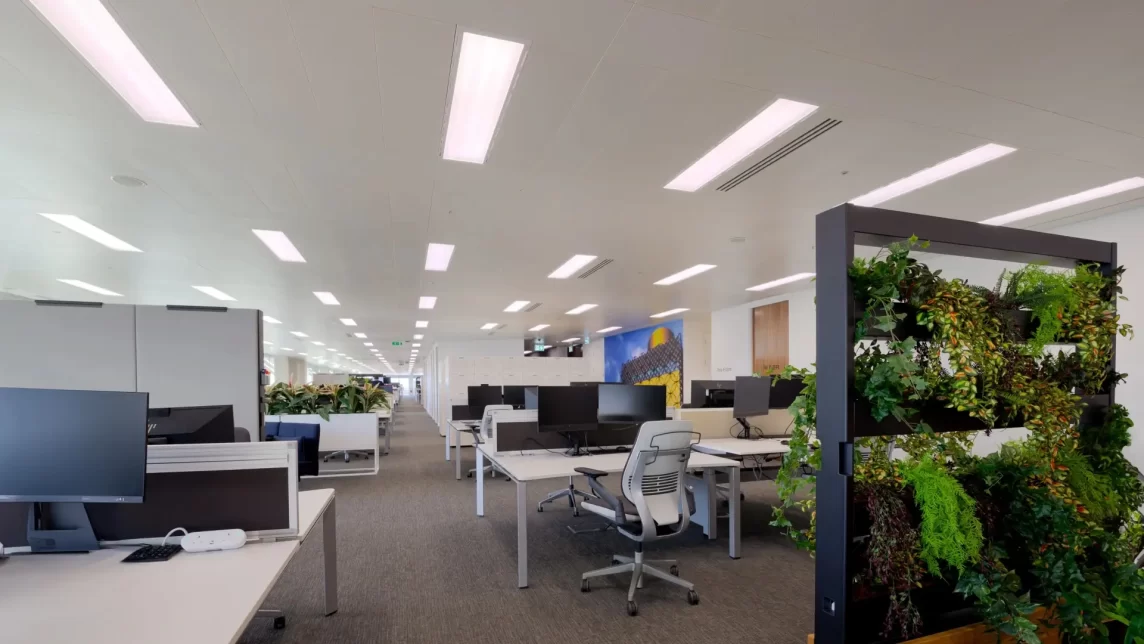
However, as humans now spend 90% of their time indoors, considerations need to be made about how the artificial lighting, which illuminates most of our lives, is affecting how we live, sleep, work and rest.
For more information, take a look at our CIBSE-Certified CPD Module, Lighting for Wellbeing.
Frequently Asked Questions
Wellbeing is a broad concept that extends beyond moment-to-moment happiness. It includes how satisfied individuals are with their life as a whole, their sense of purpose, and how much in control they feel. According to the WELL Building Standard, there are seven environmental factors that influence a person’s wellbeing.
Lighting directly influences the circadian rhythm, which is responsible for regulating hunger, wake/sleep cycles, and various other important biological rhythms. The natural course of light—including its cycle of intensity, colour temperature, and spectral range—enhances this rhythm, allowing people to perform at their best.
Because humans now spend 90% of their time indoors, artificial lighting illuminates the majority of our lives. It is therefore necessary to consider how this artificial light is affecting the way we live, sleep, work, and rest.