
Estimated reading time: 4 minutes
Key Takeaways
- IP ratings, known as the Ingress or International Protection code, indicate a luminaire’s resistance to dust and moisture.
- Outdoors, luminaires typically have an IP rating between IP54 and IP65, while indoors they often range around IP20.
- The first characteristic numeral measures protection against solid objects, while the second numeral measures protection against moisture.
- A rating of ‘x’ denotes a missing value, which can be replaced with zero if no protection is present.
- Tamlite Lighting provides suitable luminaires for various applications; contact them for more information.
To help identify which light fitting, often referred to as a luminaire, is suitable for which application, they are given an IPXX rating. The IP denotes Ingress or International Protection code and the X denotes first and second characteristic numerals.
An IPXX rating categorises the level of protection the luminaire has against dust, solid objects and moisture. These ratings are given in accordance with European standard EN60598-1.
IP in Luminaires
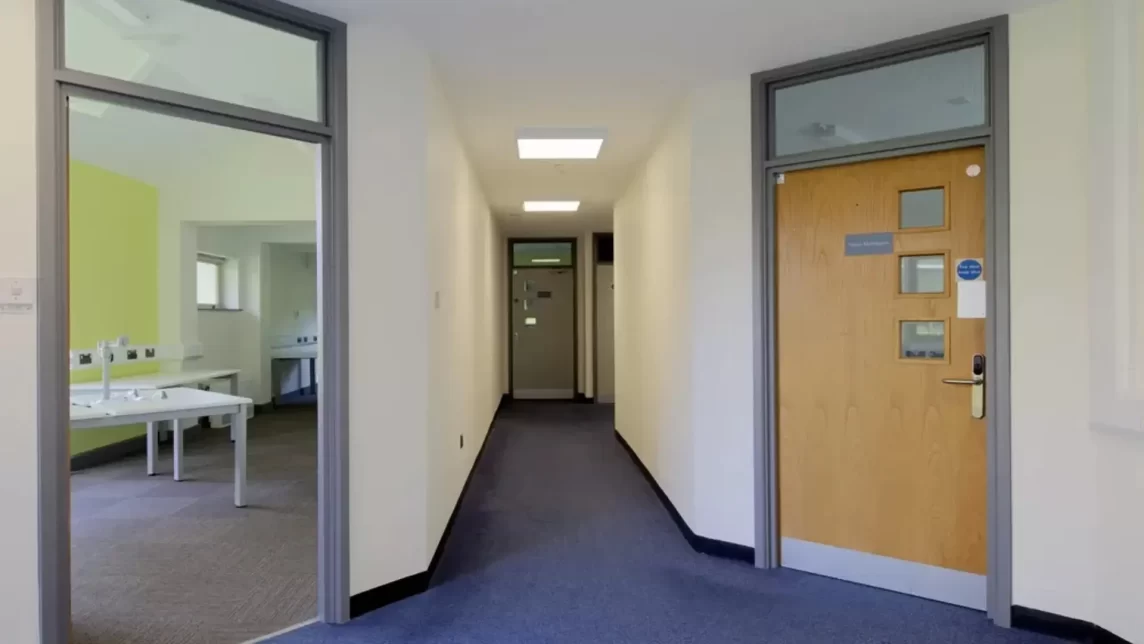
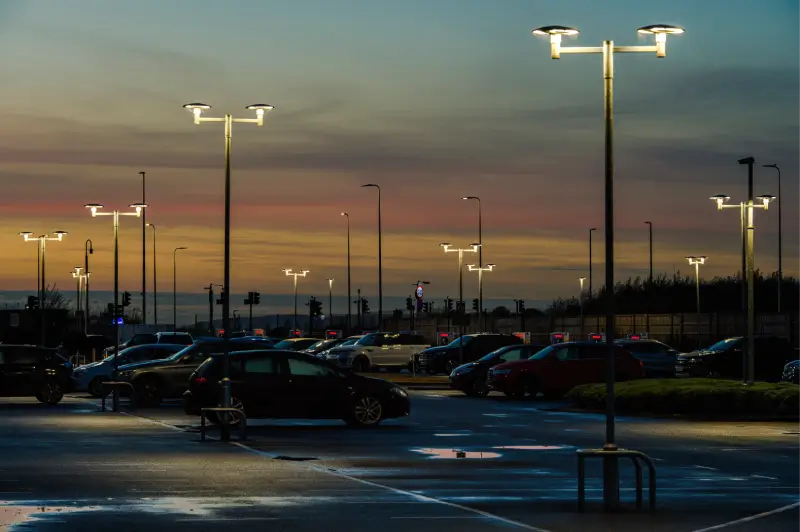
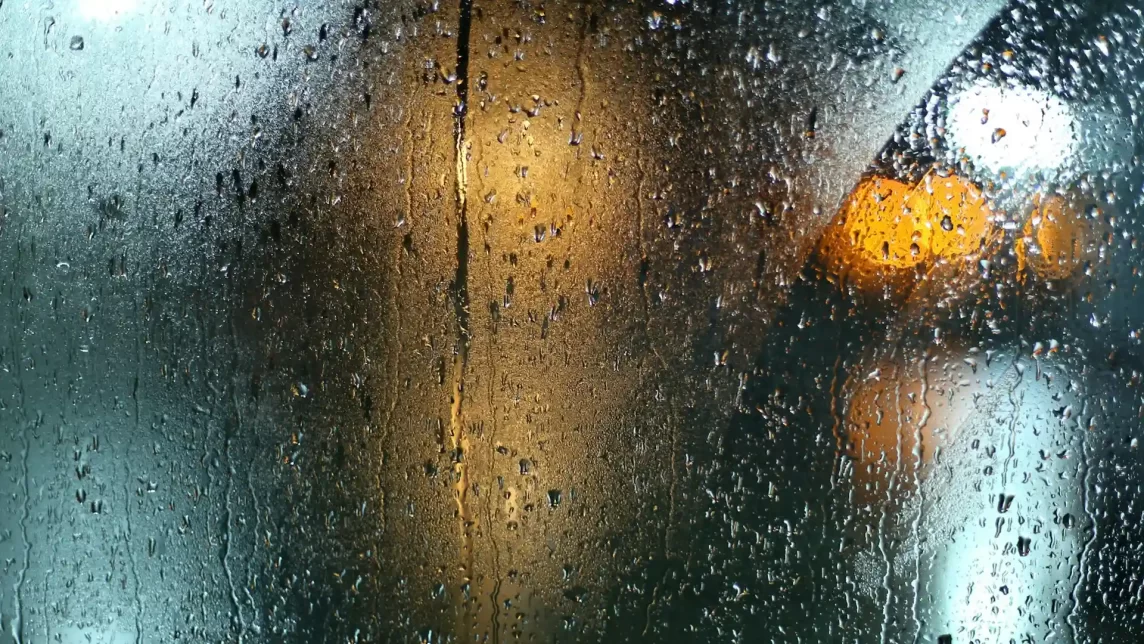
Luminaires installed outdoors will be exposed to rain, dust and solid objects. Luminaires in these environments will typically have an IP rating of IP54 to IP65. Conversely, luminaires installed indoors in an office or corridor would typically have much lower IP rating, i.e. IP20.
An IP rating consists of two numerals: the first indicates protection against solid objects, while the second defines resistance to moisture and water immersion.
First characteristic numeral – protection from objects:
- No special protection.
- Protected against objects over 50mm e.g. hands but no protection against deliberate access.
- Protected against objects over 12.5mm e.g. fingers or similar objects not exceeding 80mm in length.
- Protected against objects over 2.5mm e.g. wiring and smaller tools.
- Protected against objects over 1mm e.g. wiring.
- Limited protection against dust ingress, however, still unsuitable for hazardous areas with high dust levels.
- Totally protected against dust ingress.
Second characteristic numeral – protection from moisture:
- No special protection.
- Protected against vertically dripping water drops.
- Protected against vertically dripping water, even if the luminaire enclosure is tilted to 15o.
- Protected against sprayed water falling from an angle up to 60o from the vertical.
- Protected against splashed water from any direction.
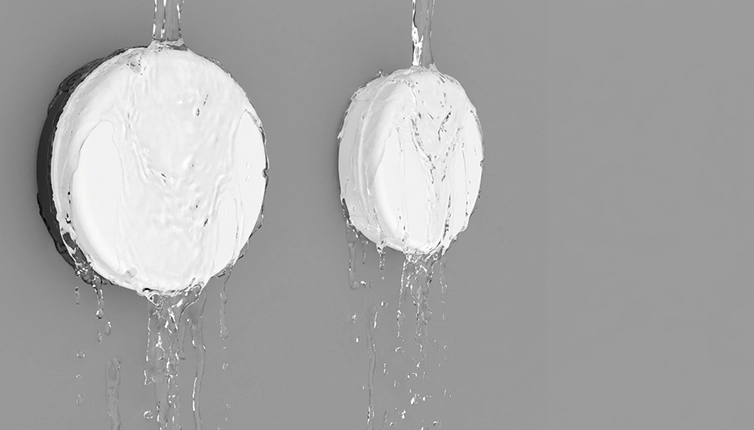
- Protected against water jets projected by a nozzle from any direction.
- Protected against heavy seas or powerful water jets from any direction.
- Protected against immersion in water for defined conditions of pressure and time.
- Protected against continuous submersion under defined conditions.
It’s worth noting that the “x” in these ratings simply denotes that the value for that number is missing. You can replace it with a zero, assuming that it has not ingress protection rating.
Not sure which IP rating your project requires? Contact Tamlite Lighting to help specify the right luminaire for your application. For more information contact us.
Frequently Asked Questions
The IP rating denotes the Ingress or International Protection code. It categorises the level of protection a light fitting (luminaire) has against dust, solid objects, and moisture.
An IP rating consists of two characteristic numerals:
The first numeral indicates protection from solid objects, such as hands, fingers, wiring, or dust.
The second numeral defines the protection from moisture, ranging from vertically dripping water to continuous submersion.
Outdoors: Luminaires installed outside are exposed to rain and dust, so they typically have a rating of IP54 to IP65.
Indoors: Fittings in environments like an office or corridor typically have a much lower rating, such as IP20.
The “X” signifies that the value for that specific number is missing. It can be replaced with a zero, assuming that the luminaire has no ingress protection rating for that characteristic.
These ratings are given in accordance with the European standard EN60598-1. This standard helps identify which luminaire is suitable for a specific application.