
Estimated reading time: 4 minutes
Key Takeaways
- The Covid-19 lockdown sparked discussions on the future of office lighting and potential changes to workspaces.
- The LIA advocates for a complete renovation of luminaires, focusing on when and where illumination is needed.
- SLL encourages developers to avoid wasteful catA fit-outs, aiming for a more efficient approach to office lighting.
- Discussion topics include the transition to floating workstations, health and safety in open spaces, and home workstations.
- Future office lighting will focus on health, wellbeing, antimicrobial disinfection, and flexible pod working spaces.
The Covid-19 lockdown created a storm of comments about what the future of office work will look like. Did we all eventually wander back to our desks as if nothing happened, or are we all turning into long-term home-workers?
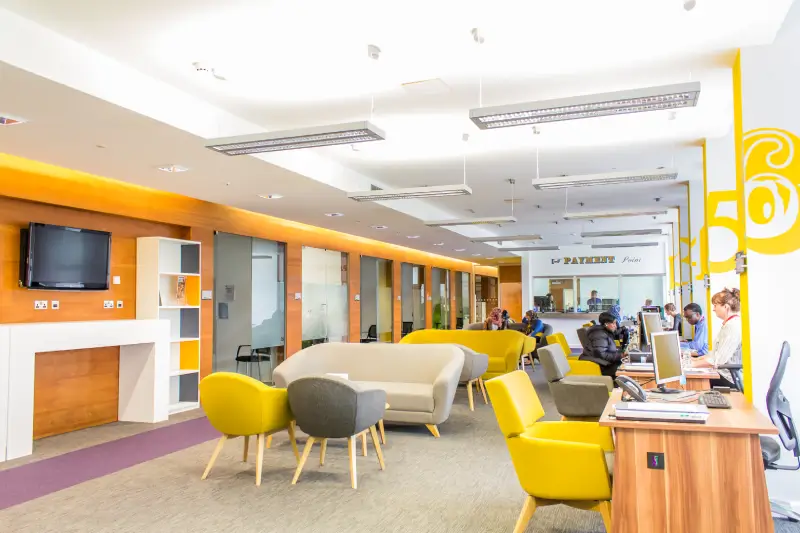
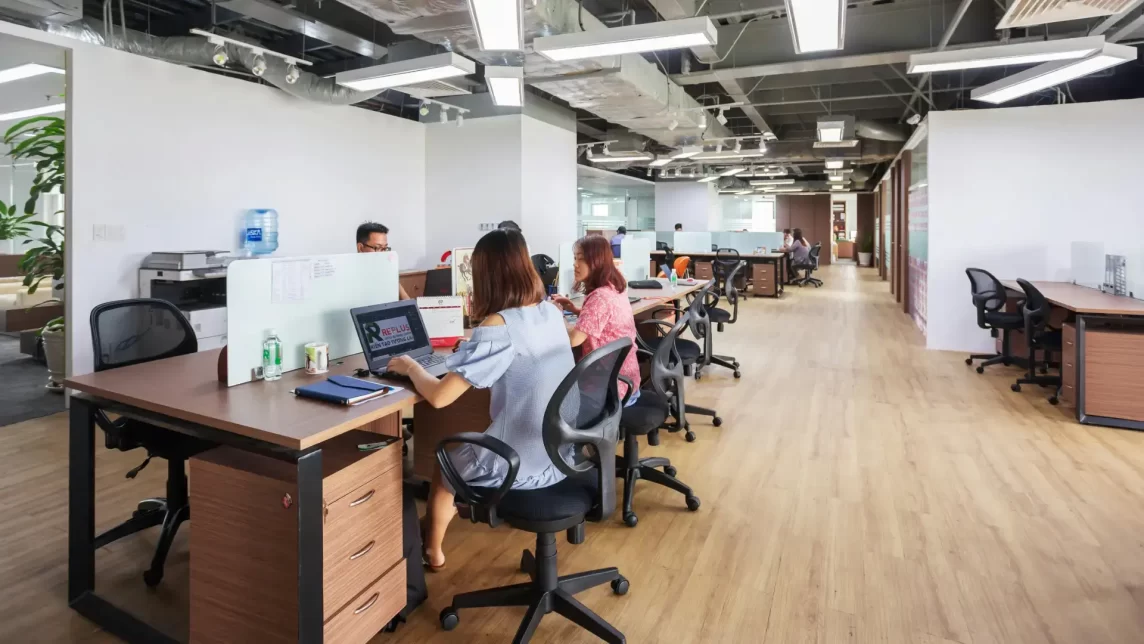
Whatever the long term outcome, there will be changes; and there will be issues that we, as lighting manufacturers, specifiers and influencers, need to come to terms with. Here, we discuss what the future of office lighting may look like.
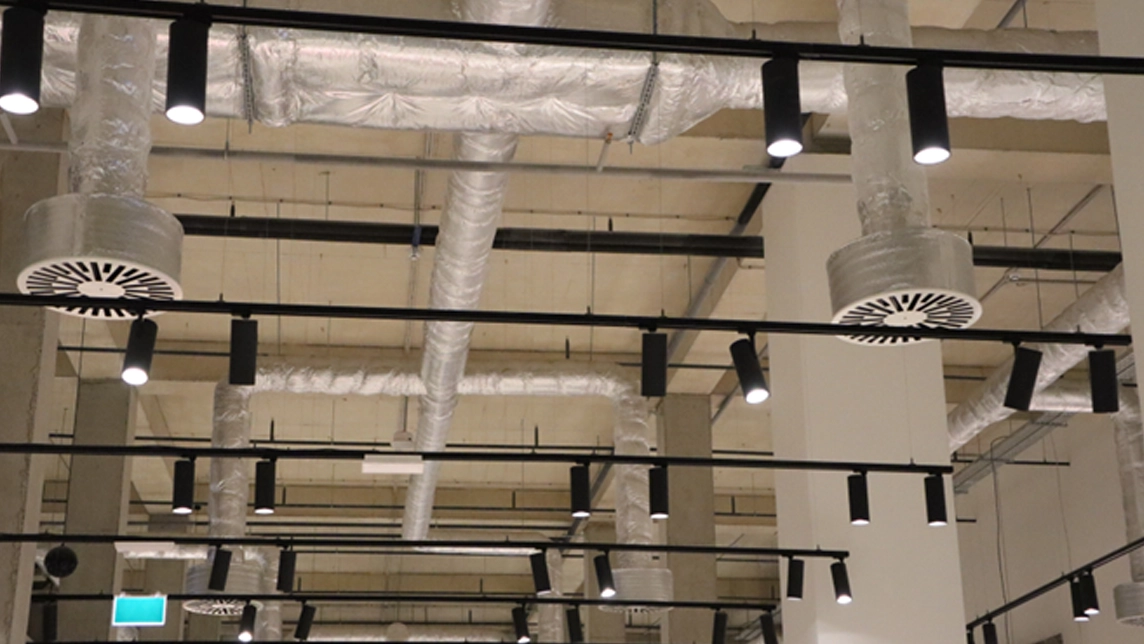
LIA: We’ve seen the recent Statement put out by the LIA (Lighting – a key contributor to healthy buildings with better Indoor Environmental Quality). That statement calls for a full renovation of luminaires, rather than re-lamping exercises.
New lighting should incorporate controls and sensors and should be designed to ensure health and well-being, productivity and occupant safety and welfare.
The implications of incorporating controls and sensors leads us to assume that we’ll only be providing working illumination when and where it’s needed.
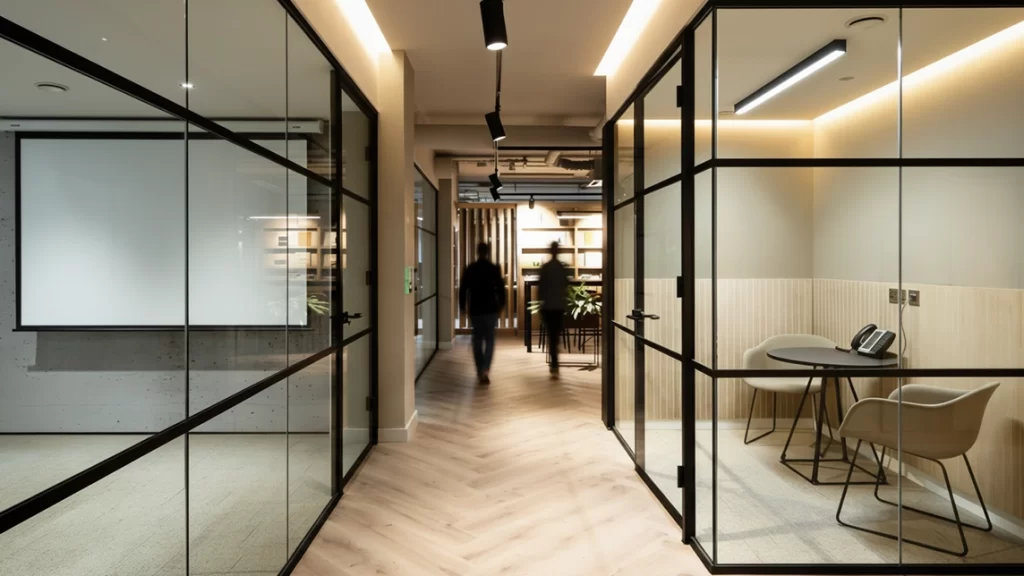
SLL: is putting together an initiative to encourage building developers to move away from catA fit-out – the most wasteful specification, both of money and material resources, imaginable. This comes from Bob Bohannon’s inaugural speech to the SLL in June 2020, where he promoted the concept of Build Back Better.
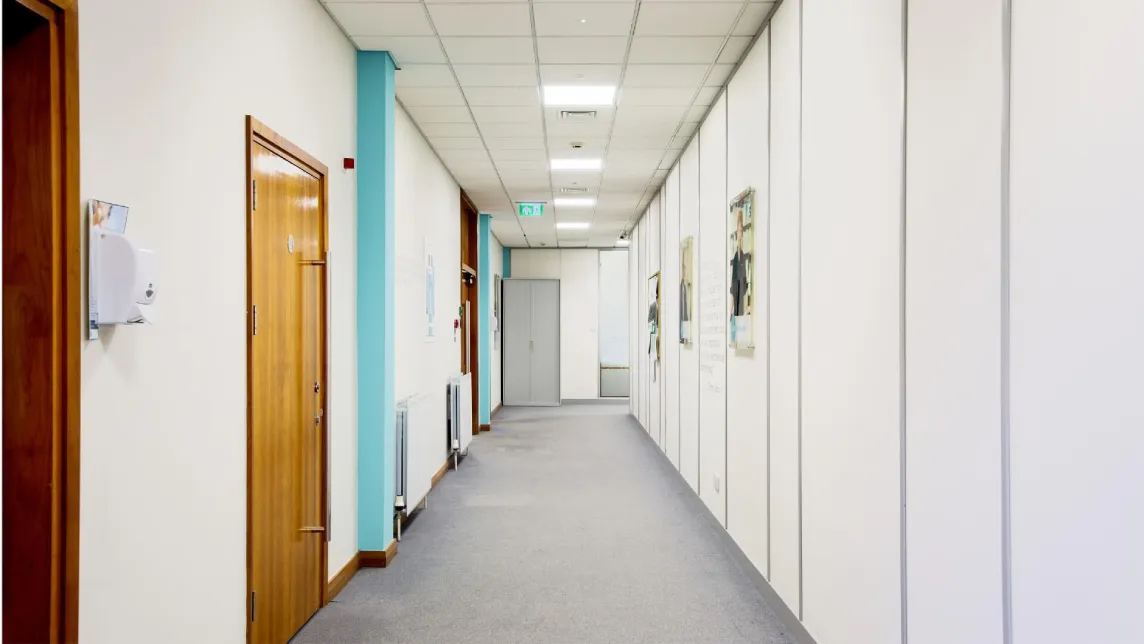
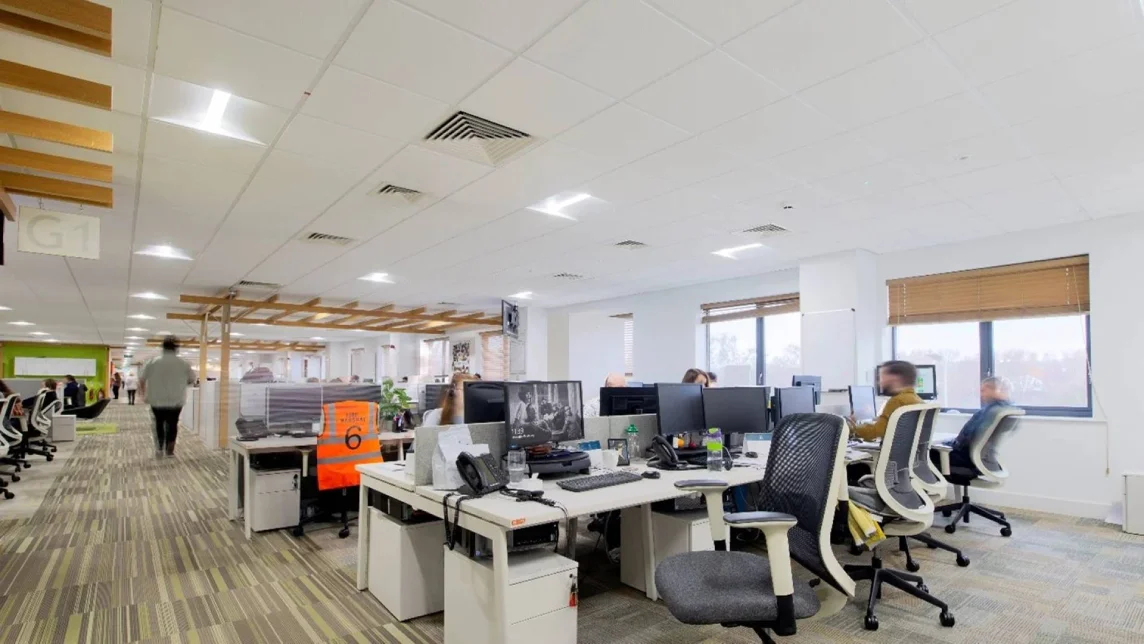
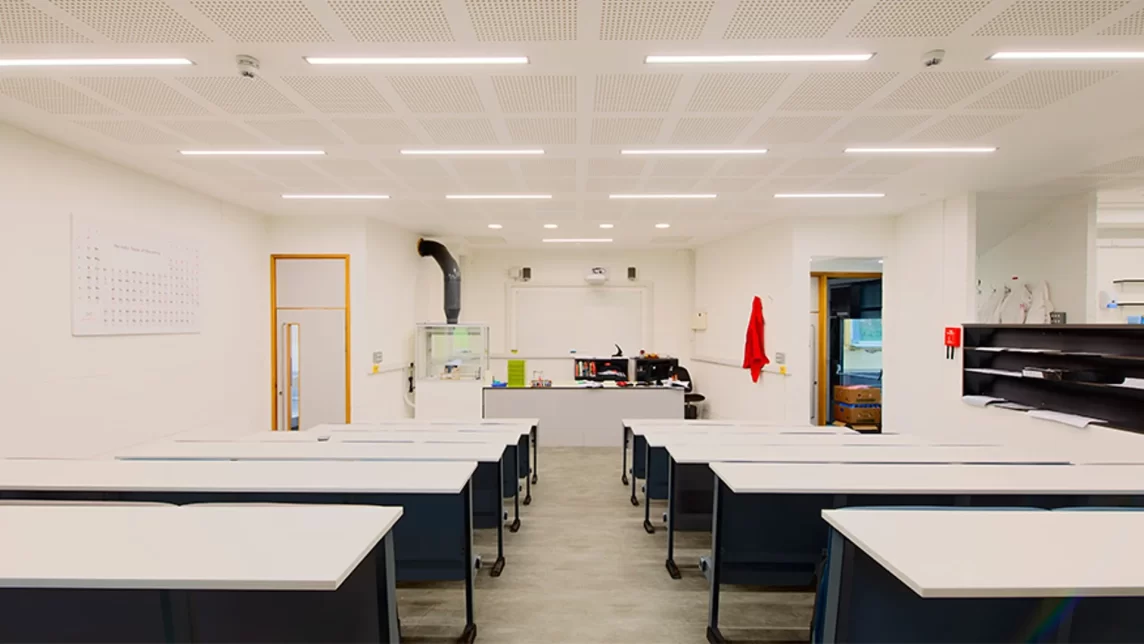
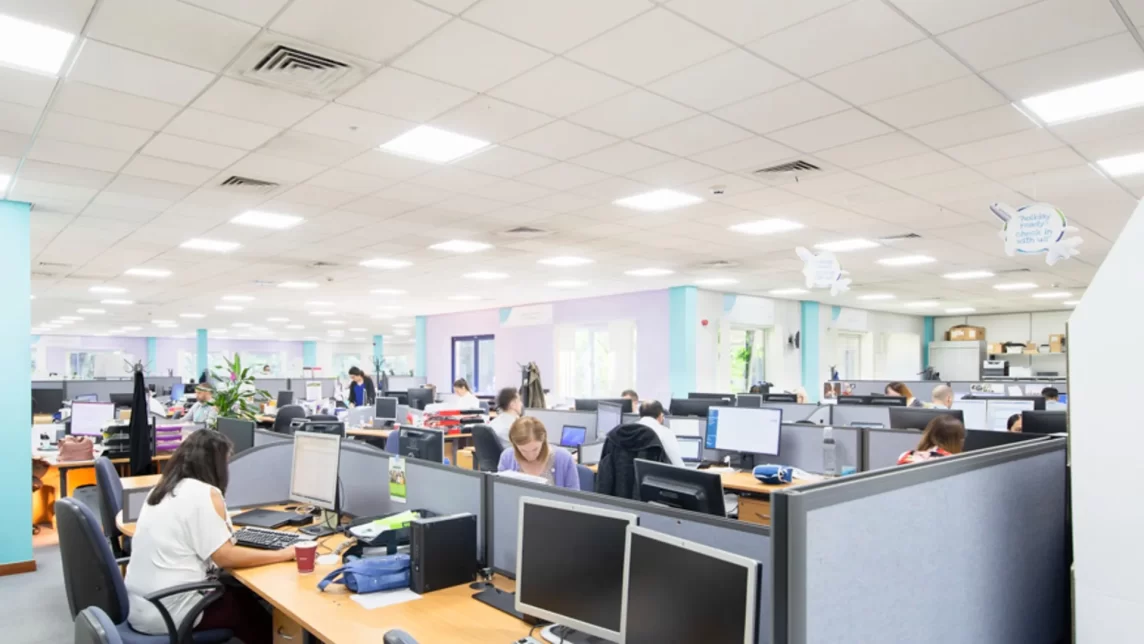
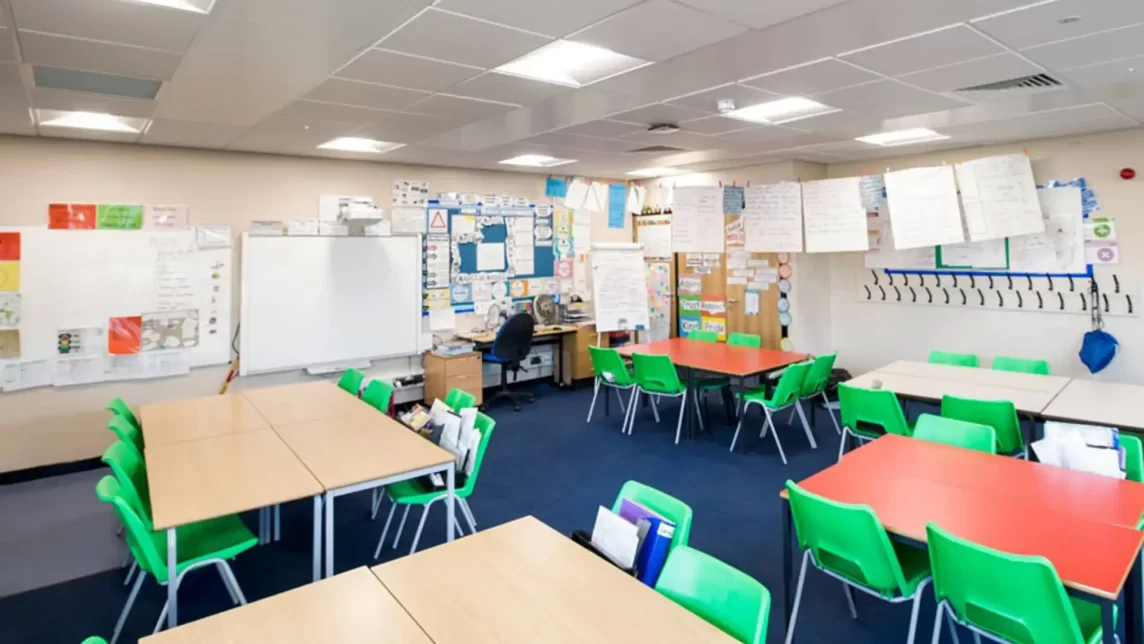
This initiative will be aimed at removing the ubiquitous 600×600 LED panel installation that is installed and often ripped out before the office space is occupied.
Other aspects discussed were:
- What might a new approach look like in practice
- The ‘new normal’ and the ‘old normal’
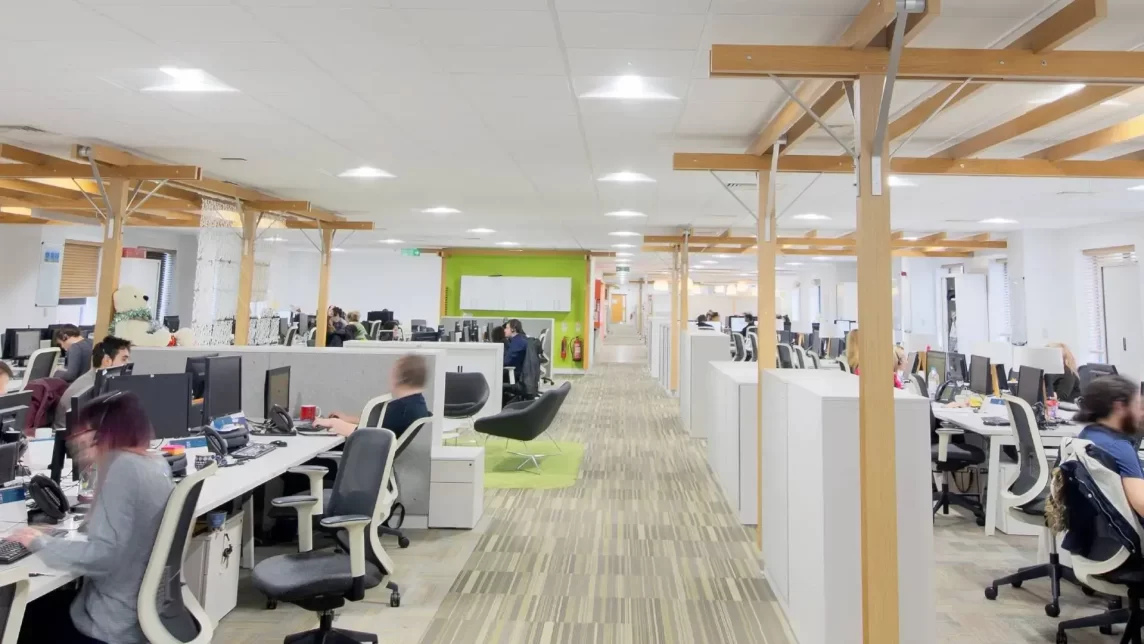
- Health and safety practices within the open-plan space
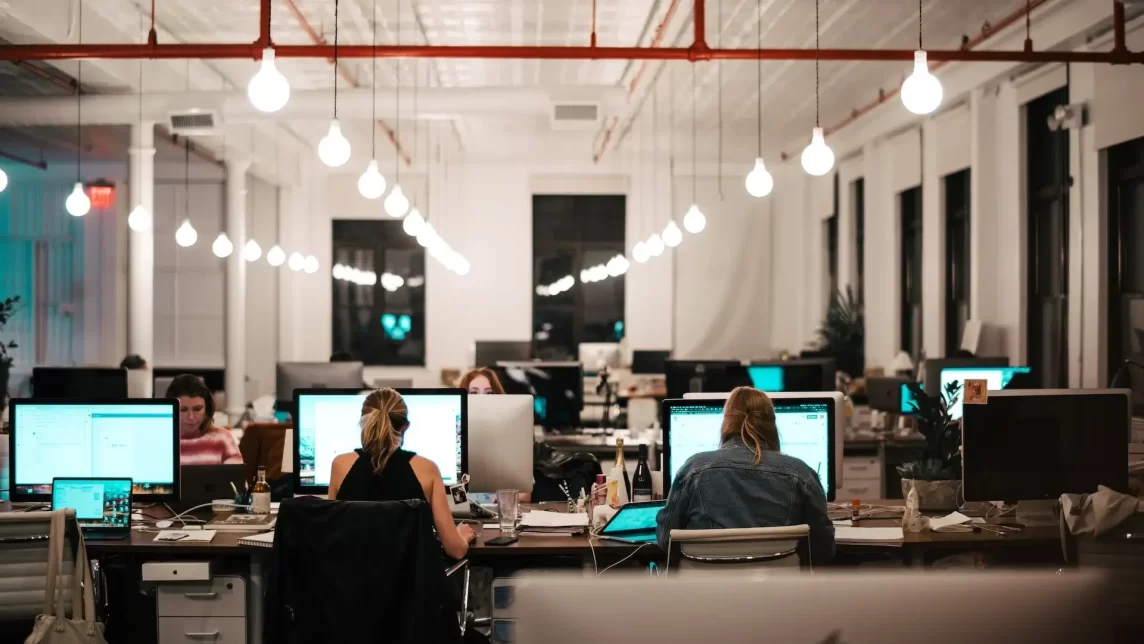
- Workstations becoming ‘floating work islands’
- The home workstation
- Other aspects of office lighting that may/will be considered beneficial to the future office
- Lighting for health and wellbeing
- Lighting for antimicrobial disinfection.
- Lighting for ‘pod working’
See the full article here – The Future Office
Frequently Asked Questions
The Lighting Industry Association (LIA) advocates for full renovations because new systems should be designed to prioritize occupant health, well-being, and productivity. Unlike re-lamping, a full renovation allows for the integration of modern controls and sensors that ensure illumination is provided only when and where it is needed for safety and welfare.
The SLL initiative encourages developers to move away from “catA fit-outs,” which are considered a wasteful use of both money and material resources. Specifically, this movement aims to stop the common practice of installing ubiquitous 600×600 LED panels that are often ripped out and discarded before an office space is even occupied.
As offices adapt to the “new normal,” lighting design will need to accommodate more flexible layouts, such as “floating work islands” and specialized “pod working” environments. Designers must also consider the requirements of the home workstation and new health and safety practices within open-plan spaces to ensure a productive environment for all workers.
Future office lighting will move beyond basic visibility to focus on occupant welfare through “biologically effective” designs for health and wellbeing. Additionally, there is an increasing interest in utilizing specialized lighting for antimicrobial disinfection to maintain higher safety standards within shared office environments.