
Estimated reading time: 4 minutes
Key Takeaways
- LED light fittings significantly reduce energy consumption in commercial and industrial buildings, offering notable energy savings.
- Switching to LED solutions improves illumination quality without increasing energy use, which is crucial for facility managers.
- In educational establishments, lighting can account for about 20% of total energy costs; LEDs help lower these expenses and maintenance costs.
- Using additional controls like PIR sensors and DALI-operated systems enhances energy savings by reducing usage when spaces are unoccupied.
- Government grants, such as the Salix Funding Scheme, can support the initial investment for new lighting systems that promise significant energy savings.
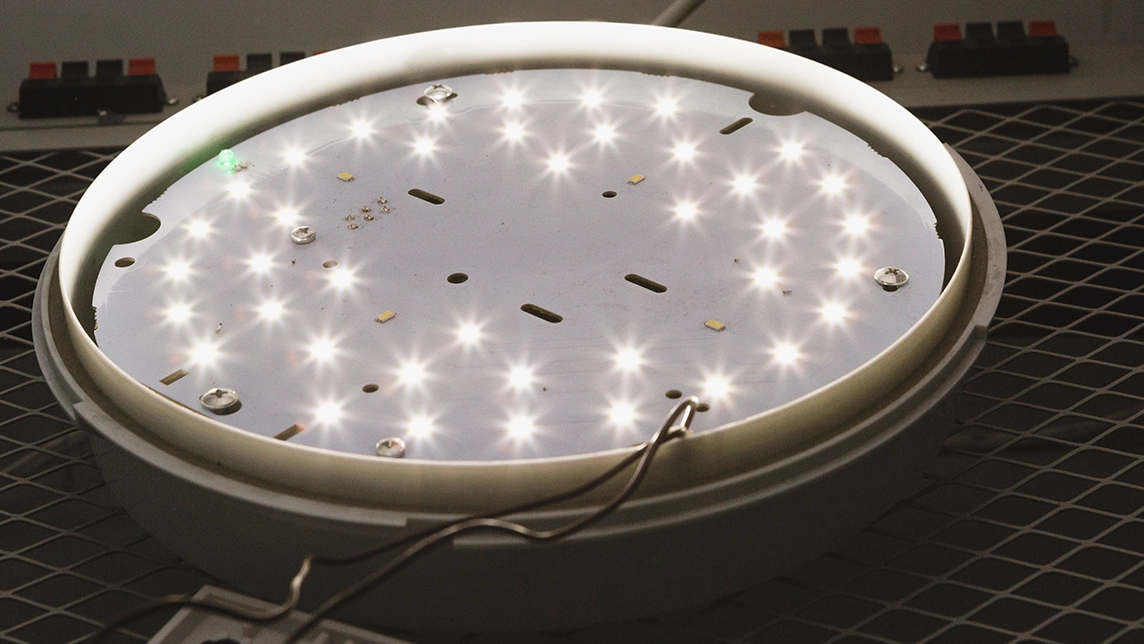
LED light fittings can produce significant energy savings in comparison to traditional lighting products for commercial and industrial buildings.
Lighting must fulfil different requirements in different environments. Switching to LED solutions that improve the quality of illumination, without increasing energy consumption, is a key investment for facility managers.
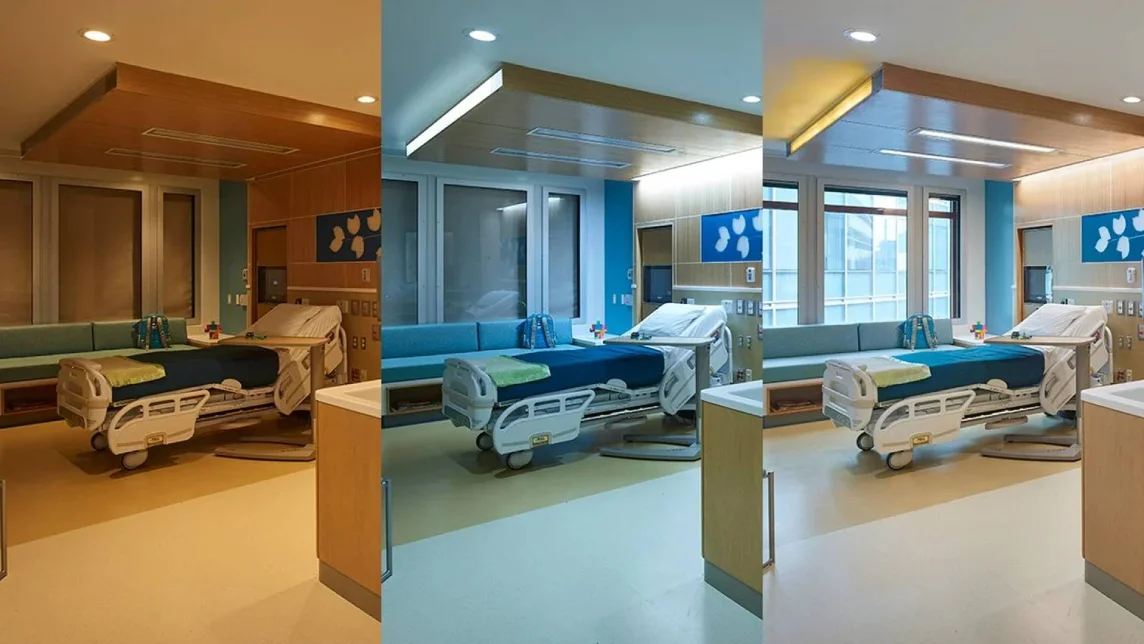
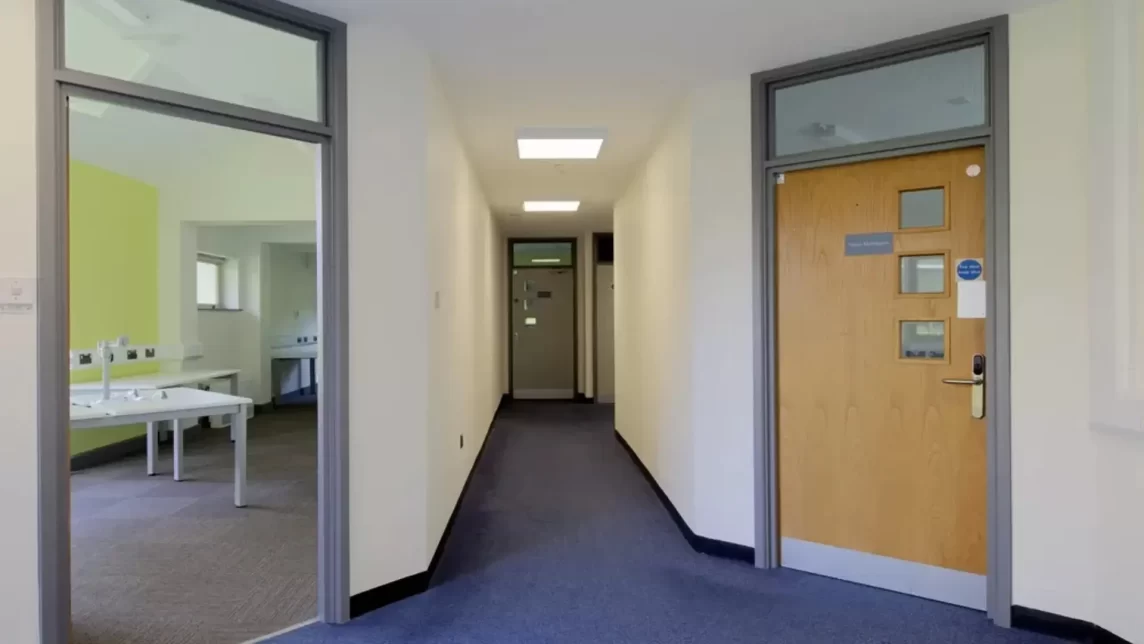
For example, Tamlite supplied a full LED solution to Leominster Community Hospital, overhauling their existing fluorescent system. The switch to LED alone, before the addition of lighting controls such as motion detectors, led to energy savings of 61%.
Lighting within a facility can incur a relatively high energy cost, compared to its usage. Therefore, it is crucial to reduce the energy consumption from lighting, in order to achieve significant reductions in energy costs within a facility.
For example, In educational establishments, lighting accounts for around 8% of total energy usage. However, electrical lighting in schools accounts for around 20% of total energy cost. This highlights the high costs of lighting in large establishments such as schools. LED fittings can significantly reduce overall running costs, by lowering energy bills with a more efficient lighting system, and minimising maintenance costs with dependable, high quality luminaires.

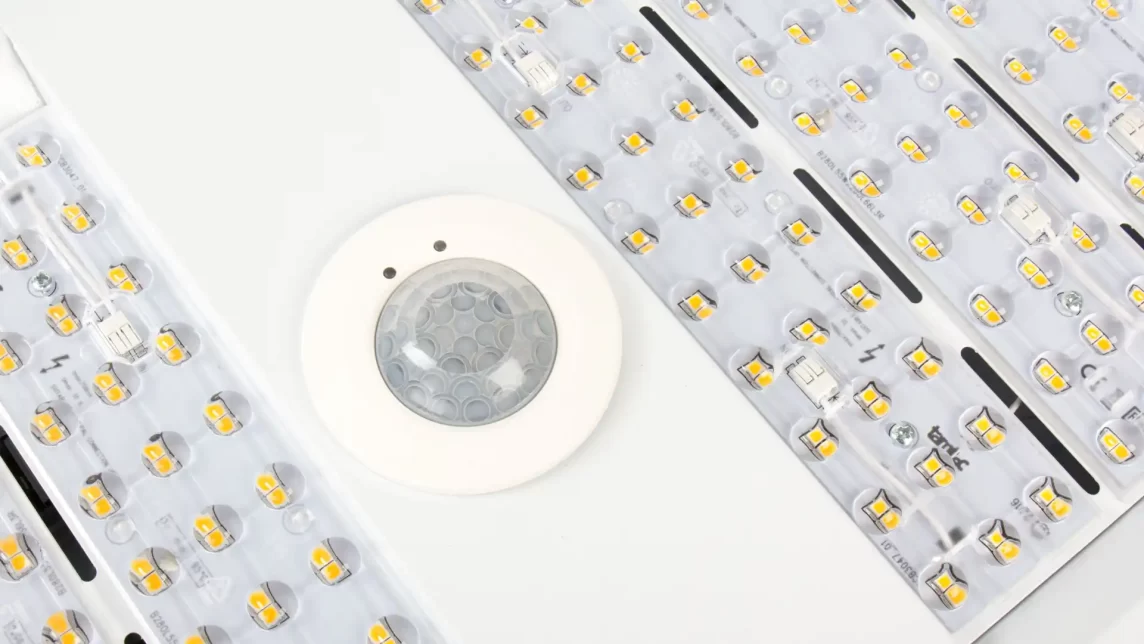
However, the switch to LED isn’t always enough. Options such as PIR sensors and presence detectors turn the lights off when the space is unoccupied to reduce time of use, while fully connected DALI-operated lighting systems offer greater control to provide exceptional long-term energy savings.
For many facilities, such as educational establishments, government schemes are available to assist in the initial investment into a new lighting system, provided the new lighting system expects to achieve significant energy savings. These government grants, such as the Salix Funding Scheme, can help facilities achieve a return on investment within just a few years.
You can discover more about how we build our LEDs with the environment in mind.
Frequently Asked Questions
LED light fittings can produce significant energy savings compared to traditional lighting products for commercial and industrial buildings. For example, switching to an LED solution at Leominster Community Hospital resulted in energy savings of 61% before even adding lighting controls.
Lighting within a facility can incur a relatively high energy cost compared to its actual usage. Reducing consumption is crucial because lowering energy bills with a more efficient system, and minimising maintenance with dependable luminaires significantly reduces overall running costs.
In educational establishments, lighting accounts for approximately 8% of total energy usage. However, it represents around 20% of the total energy cost, highlighting how expensive lighting can be in large establishments like schools.
Yes, the switch to LED alone isn’t always enough to maximise efficiency. Options such as PIR sensors and presence detectors reduce time of use by turning lights off when a space is unoccupied, while fully connected DALI-operated systems offer greater control for exceptional long-term savings.
For many facilities, government grants such as the Salix Funding Scheme are available to assist with the initial investment, provided the new system is expected to achieve significant energy savings. These schemes can help facilities achieve a return on investment within just a few years.