
Estimated reading time: 5 minutes
Key Takeaways
- Dark skies are natural environments with minimal light pollution, but over 80% of the world suffers from light pollution, impacting health and the environment.
- Light pollution disrupts sleep patterns and circadian rhythms, leading to health issues like insomnia, obesity, and certain cancers.
- Many wildlife species depend on natural light cycles, and light pollution threatens their populations and disrupts ecosystems.
- The loss of dark skies hampers our ability to make scientific discoveries by interfering with astronomical observations.
- To preserve dark skies, we must reduce light pollution through efficient lighting practices and increased public awareness.
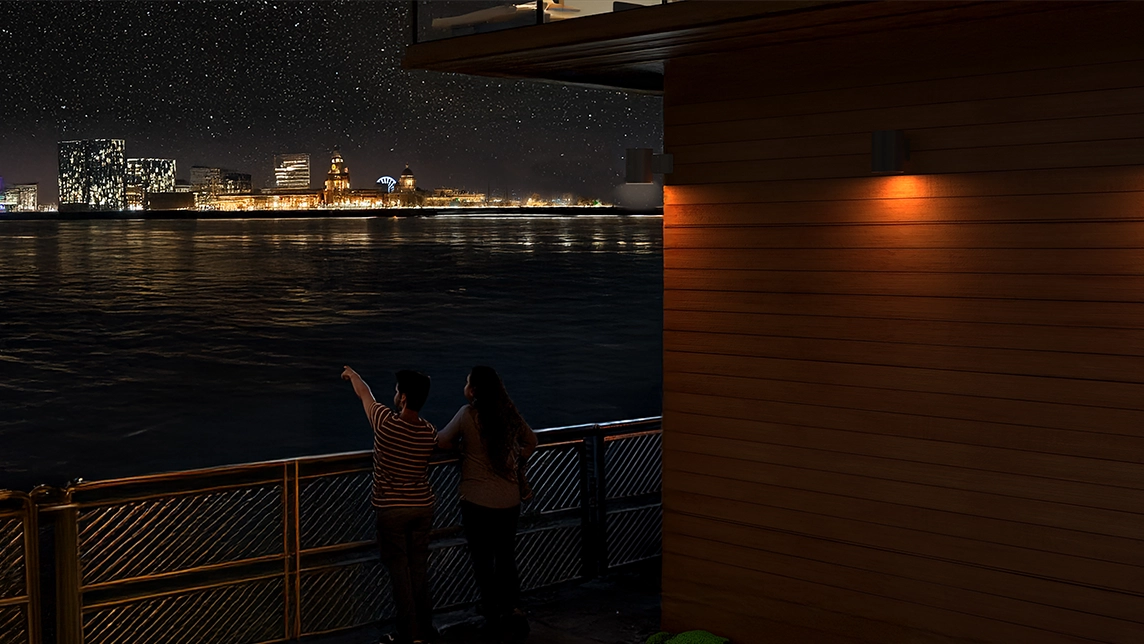
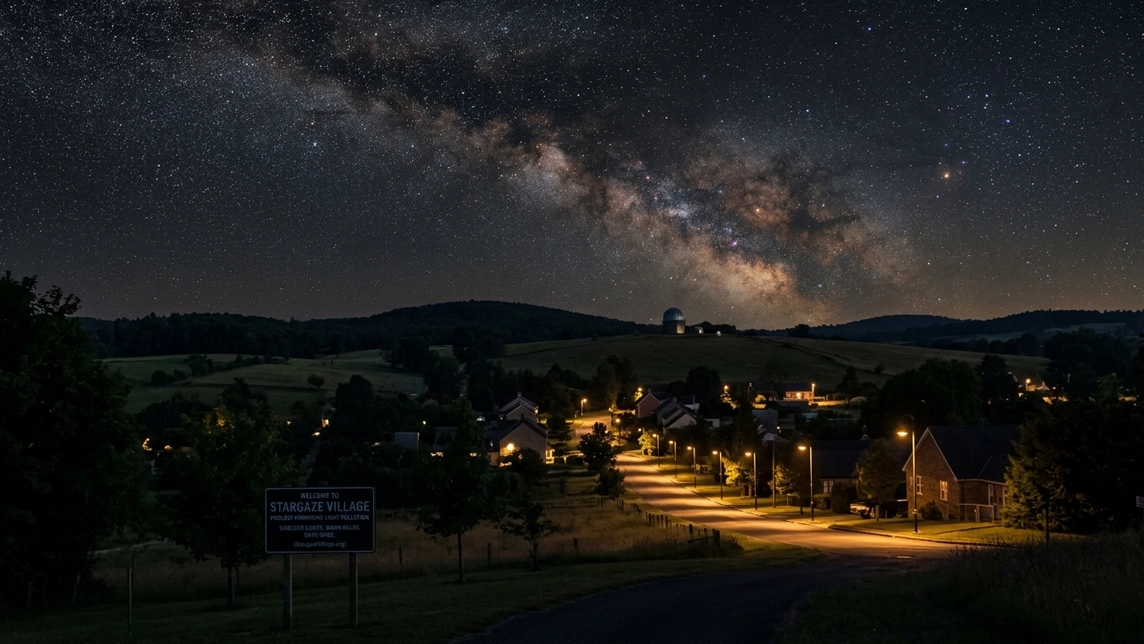
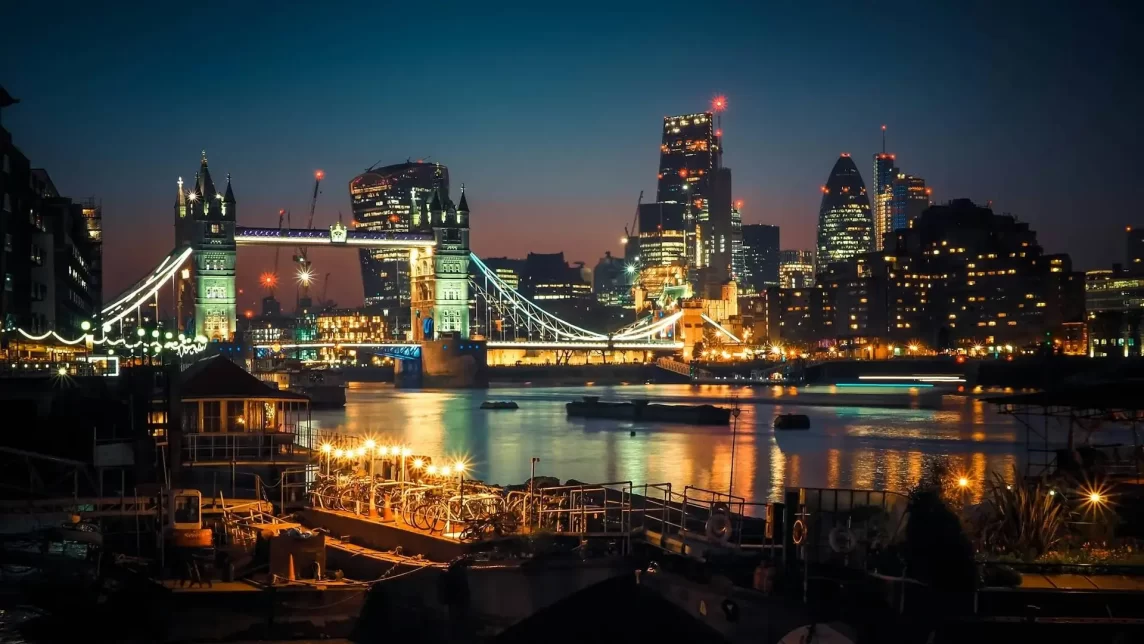
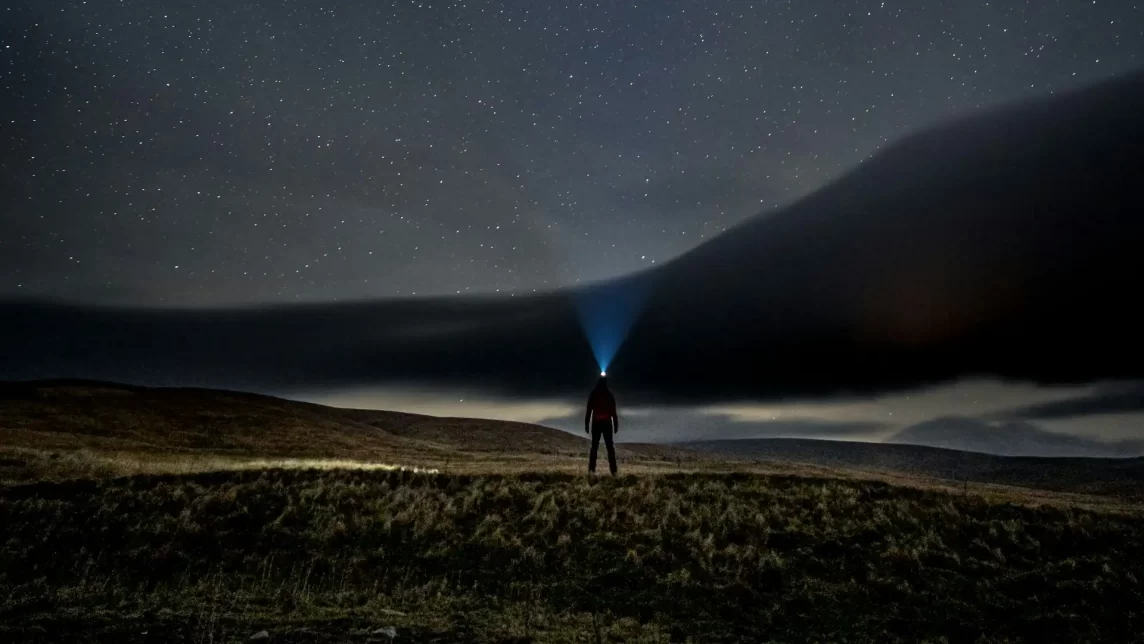
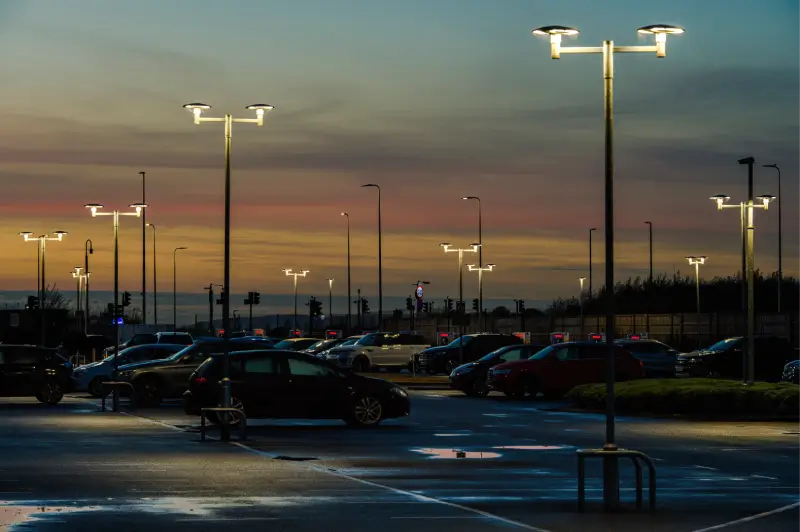
Dark skies refer to natural night-time environments where there is minimal light pollution, allowing for clear views of the stars and other celestial bodies. Unfortunately, due to urbanization and the increasing use of artificial light, dark skies are becoming increasingly rare, and it is estimated that over 80% of the world’s population is living under light-polluted skies. This trend is detrimental to our health and well-being, as well as to the environment and our understanding of the universe.
Losing Dark Skies
The loss of dark skies has significant implications for our health and well-being. Light pollution can interfere with our natural sleep patterns, leading to insomnia, fatigue, and other sleep-related disorders. It can also cause disruptions in our circadian rhythms, leading to a host of health problems such as depression, obesity, and diabetes. In addition, exposure to artificial light at night has been linked to an increased risk of cancer, particularly breast and prostate cancer.
Furthermore, light pollution has negative environmental effects, particularly on wildlife.
How Wildlife Relies on Natural Light
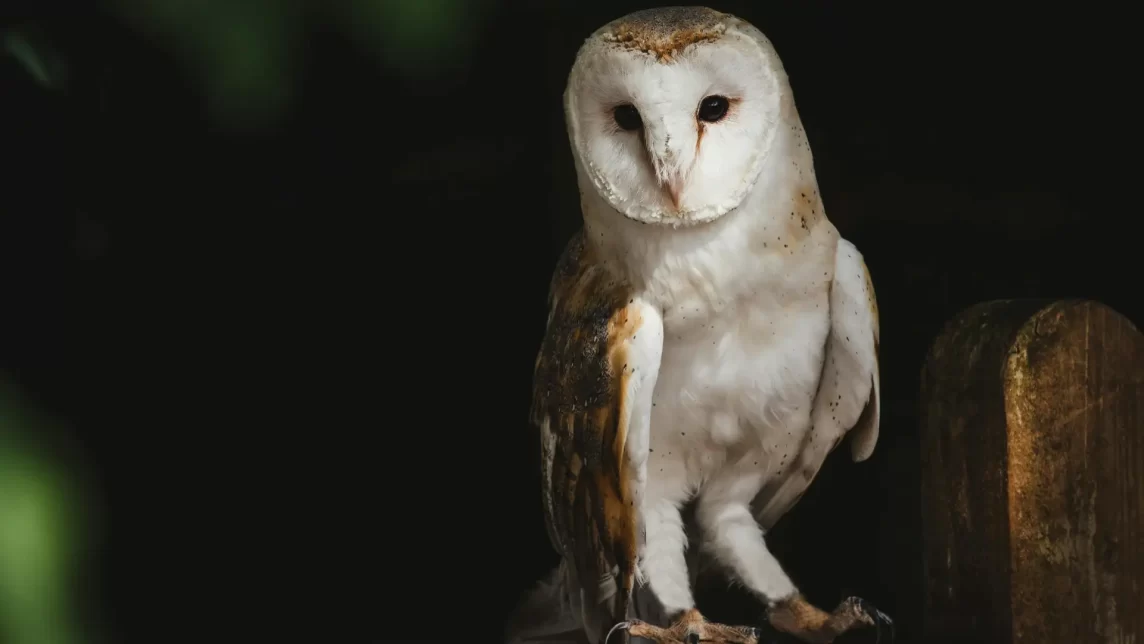
Many animals, such as birds, sea turtles, and insects, rely on natural light cycles to navigate and perform important functions such as breeding and feeding. Light pollution can interfere with these cycles, leading to population declines and even extinction. It can also disrupt ecosystems and alter the behavior of nocturnal animals.
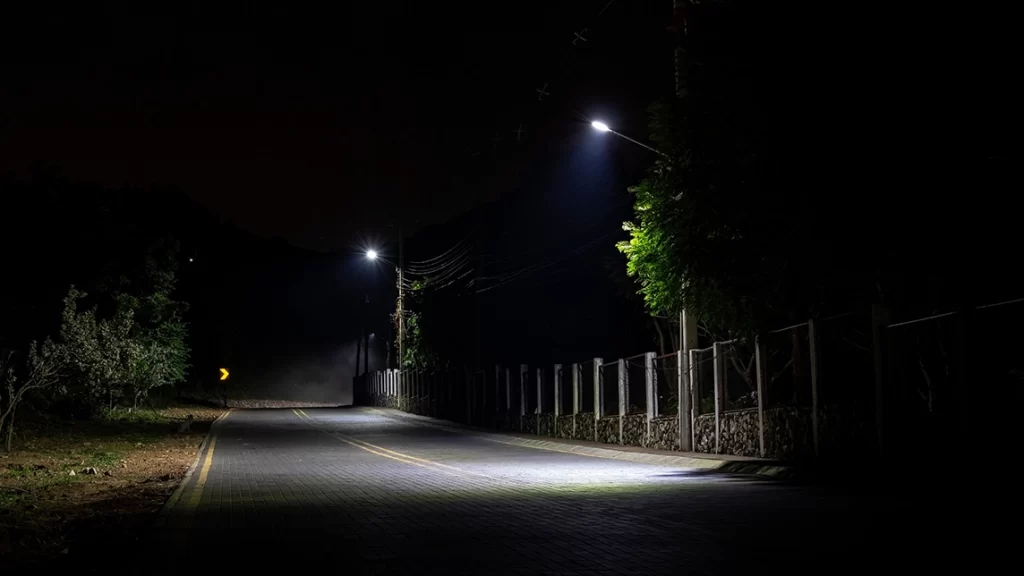
Finally, the loss of dark skies has implications for our understanding of the universe. Observing the night sky has been a fundamental human activity for millennia, leading to some of the most significant scientific discoveries in history. With the loss of dark skies, our ability to observe and study the universe is greatly diminished.
Astronomers and other scientists are unable to make accurate observations and measurements due to the interference of artificial light. This lack of data can impede our understanding of the universe and our ability to make scientific breakthroughs.
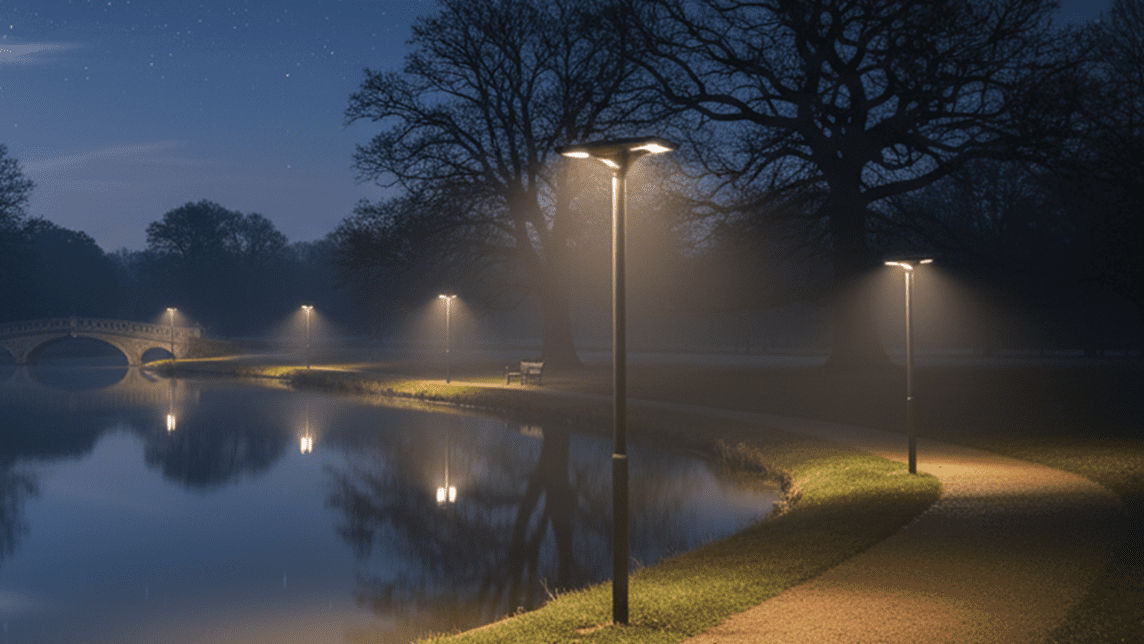
There are, however, ways to preserve and protect dark skies. One of the most effective ways is to reduce light pollution by using more efficient lighting systems that direct light downwards, reducing glare and unnecessary light. Shielding outdoor lights and turning off unnecessary lights at night can also help reduce light pollution. Additionally, efforts can be made to increase public awareness of the importance of dark skies and the negative impacts of light pollution.
Light Pollution
In conclusion, dark skies are a precious natural resource that is increasingly threatened by light pollution. Their loss has significant implications for our health and well-being, the environment, and our understanding of the universe. By taking steps to reduce light pollution and increase public awareness, we can help protect and preserve dark skies for future generations to enjoy and benefit from.
We have more information on Dark Skies and what solutions are best HERE
Frequently Asked Questions
Dark skies refer to natural night-time environments with minimal light pollution, which allows for clear, unobstructed views of the stars and other celestial bodies. Due to rapid urbanisation and the increasing use of artificial light, dark skies are becoming rare. It is currently estimated that over 80% of the world’s population lives under light-polluted skies, a trend that negatively impacts human health, the environment, and scientific discovery.
The loss of natural night-time environments has serious implications across several areas:
Human Health: Light pollution disrupts natural sleep patterns and circadian rhythms, leading to insomnia, fatigue, depression, obesity, and diabetes. Exposure to artificial light at night has also been linked to an increased risk of breast and prostate cancers.
Wildlife and Ecosystems: Many birds, sea turtles, and insects rely on natural light cycles to navigate, breed, and feed. Light pollution interferes with these cycles, causing population declines, altering nocturnal animal behaviour, and disrupting entire ecosystems.
Scientific Understanding: Artificial light interferes with the night sky, greatly diminishing the ability of astronomers and scientists to make accurate observations and measurements, which impedes scientific breakthroughs about the universe.
Preserving dark skies relies on reducing light pollution and increasing public awareness. The most effective methods include:
Utilising more efficient lighting systems that direct light downwards.
Reducing glare and unnecessary light by properly shielding outdoor fixtures.
Turning off unnecessary lights at night.
Educating the public on the negative impacts of light pollution to safeguard this natural resource for future generations.