
Estimated reading time: 4 minutes
Key Takeaways
- Creating a unique customer experience is crucial for retail success, especially against online competition.
- Effective lighting, including ambient, accent, and high-activity types, significantly enhances the shopping experience.
- Utilising different lighting styles can guide shoppers’ attention to products and increase sales.
- A memorable buyer journey fosters better brand recognition and customer retention.
- Investing in retail lighting design helps attract and retain customers in-store, complementing the online retail landscape.
With online retail becoming such a huge competitor to high street and out of town stores, providing a unique customer experience is key.
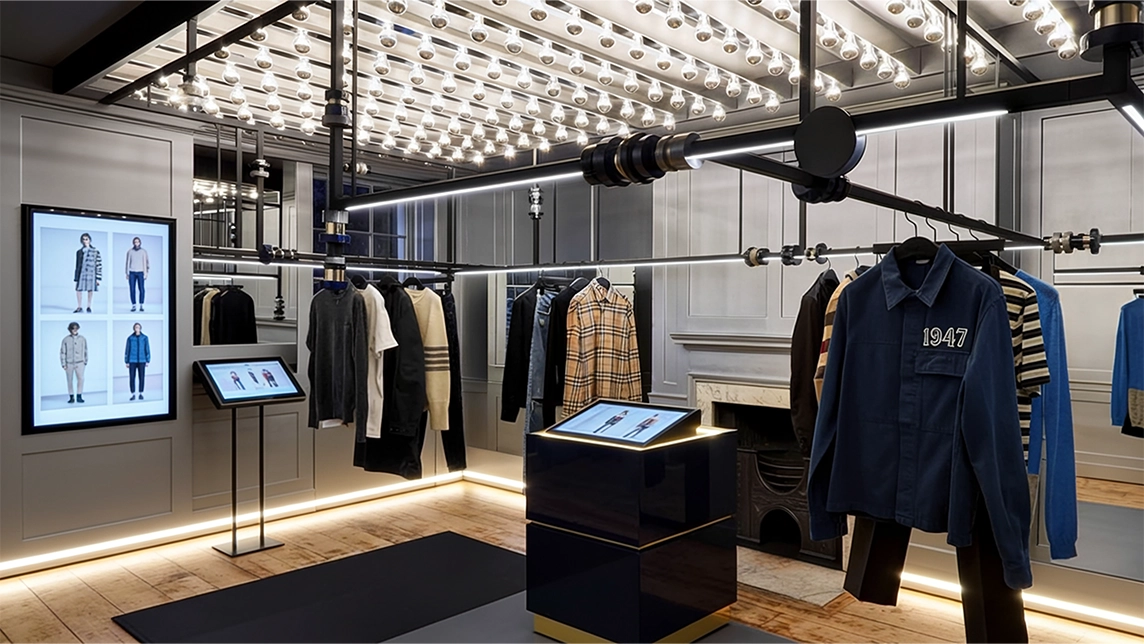
While you can strive to ensure your space has the finest interior design and layout, it is the lighting that’s going to make the key difference to attracting (and keeping) customers. The best retail stores tap into lighting that creates guided experiences.
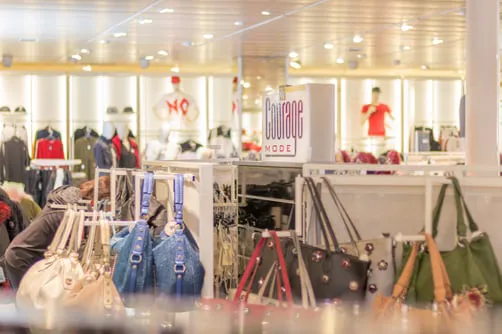
In return, more human-focused designs lead to higher sales, returning customers, and even cost efficiency for lighting maintenance and upkeep.
Using light to enhance retail spaces
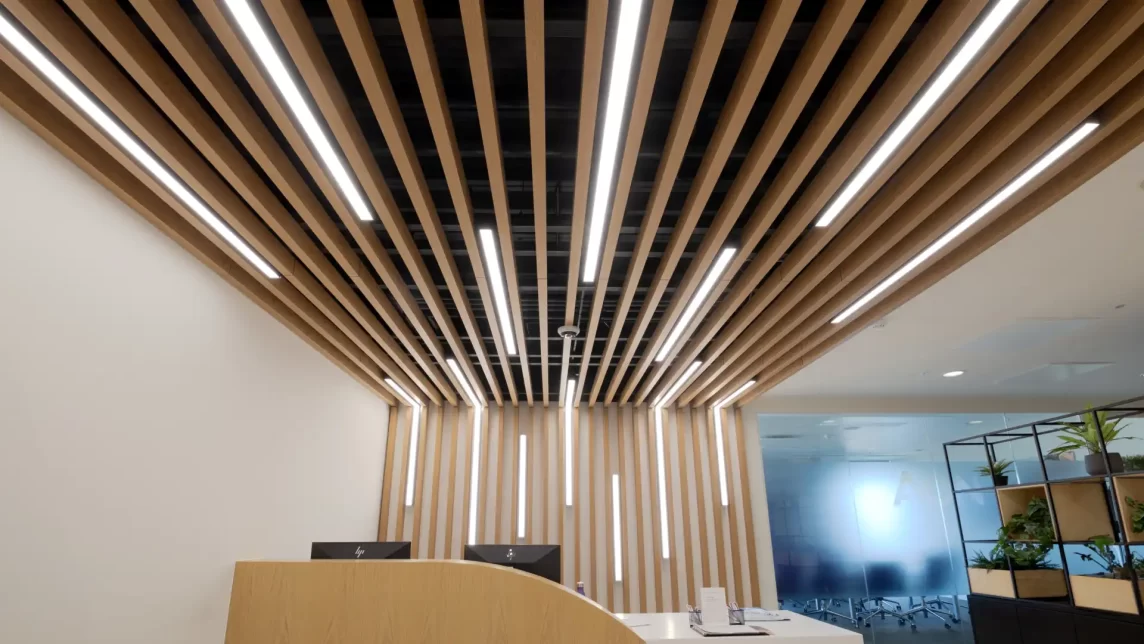
There are three types of lighting when it comes to retail spaces: ambient lighting, accent lighting, and high-activity lighting. All of them vary in their application but they all aim for the same goal; to guide the customers to purchase your product. Here is how they differ:
- Ambient lighting – This is the general look of your store’s lighting, brought about by its biggest fixtures.
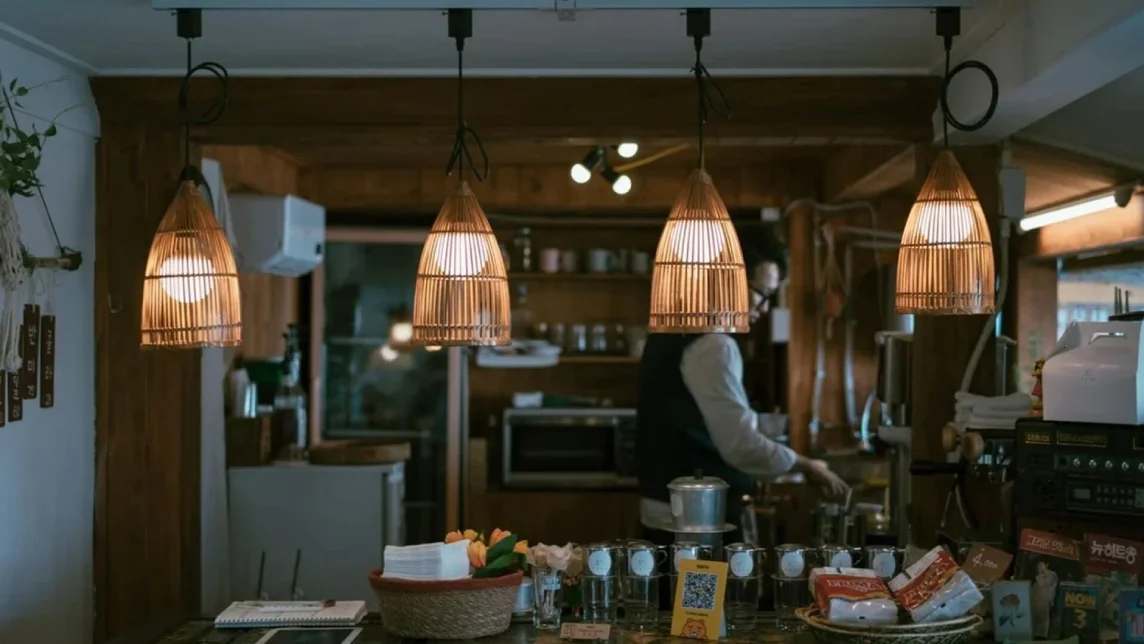
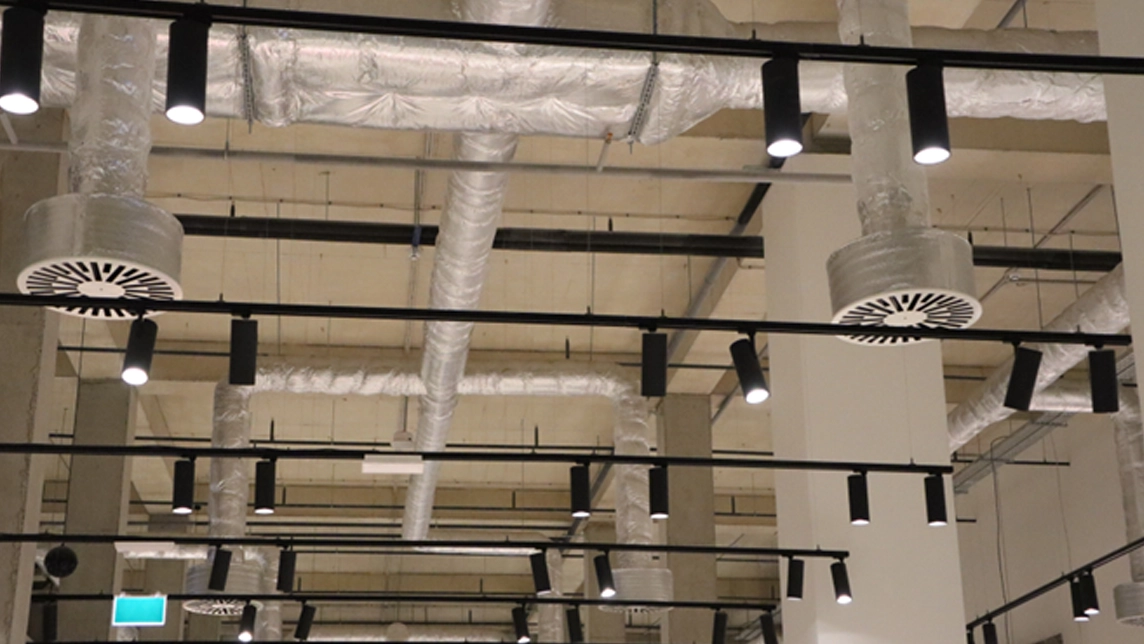
- Accent lighting – The lighting used to draw attention to products and specific areas of the store.
- High-activity lighting – This means lighting for total experience, including product displays, entrances and checkouts.
Creating an experience
All of these lighting methods are backed by one thing: attention.
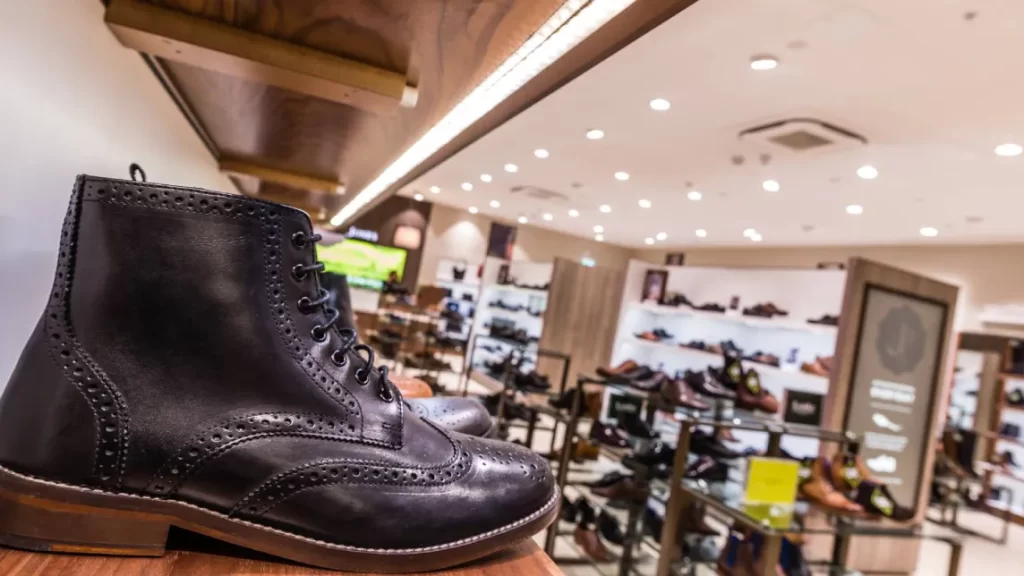
By using them in ways that creates high contrast and maintains attention, you can keep customer focus on the products. It doesn’t have to be the same across the space, either.
You could apply accent lighting to newer products or those that are on sale, while using softer ambient lighting to draw customers into general areas.
This insistence on creating a unique, memorable buyer journey means better brand recognition, too.
Design in mind
Tamlite understands that retail and leisure environments are focused on the customer, ensuring that they give an exceptional retail experience that they cannot get from online shopping.
Increasing footfall into your store is vital to existing alongside the ever-growing online world – so it pays to make your premises as attractive as possible.
You can dig deeper into how we design luminaires for retail spaces on our sectors page.
Frequently Asked Questions
With online retail becoming such a major competitor to high street and out-of-town stores, physical shops must provide a unique, memorable customer experience to increase footfall. Whilst a store can feature the finest interior design and layout, lighting makes the key difference in attracting and keeping shoppers. Tapping into more human-focused, guided experiences through lighting ultimately leads to higher sales, returning customers, and better brand recognition.
Retail spaces utilise three distinct types of lighting, which vary in application but all share the goal of guiding customers towards making a purchase:
Ambient lighting: This establishes the general look of the store’s lighting and is delivered by its largest fixtures.
Accent lighting: This is strategically used to draw attention to specific products and key areas of the store.
High-activity lighting: This focuses on the total experience, illuminating product displays, entrances, and checkout areas.
Retailers can capture and maintain customer focus on products by using lighting methods that create high contrast. The lighting does not need to be uniform across the entire shop floor. For instance, a retailer could apply sharp accent lighting to highlight newer products or items on sale, whilst using softer ambient lighting to comfortably draw customers into general shopping areas.
Beyond creating an exceptional, attractive premises that online shopping cannot replicate, human-focused lighting designs offer practical financial benefits. Implementing these intelligent systems leads to greater cost efficiency regarding lighting maintenance and general upkeep for the business.