

Estimated reading time: 6 minutes
Key Takeaways
- TM66 is a Technical Memorandum that promotes circular economy principles in the lighting industry.
- The TM66 Assured Product Verification Scheme enables verification of circular credentials for lighting products.
- Key objectives include encouraging sustainable design, ensuring material traceability, promoting repair and reuse, and enabling responsible recycling.
- TM66 helps manufacturers gain credibility and competitive advantage while encouraging industry collaboration.
- By following TM66 guidelines, the lighting industry can significantly reduce its environmental impact.
The concept of a circular economy, where resources are used and reused efficiently to minimise waste, has gained significant traction in recent years. As sustainability becomes a top priority for businesses and consumers alike, organisations are actively seeking ways to incorporate circularity into their operations. In this regard, TM66, developed by The Lighting Industry Association (LIA) and Chartered Institution of Building Services Engineers (CIBSE), emerges as a pioneering initiative. This blog post explores the TM66 scheme and its role in promoting circularity within the lighting industry.
As more and more projects become sustainability driven, the built environment will hugely benefit from installing luminaires aligned with TM66, with consultants and specifiers required to start making more informed choices when it comes to selecting sustainable luminaires.
Understanding TM66:
TM66 is a Technical Memorandum that describes a Circular Economy’s main aims, how it can be achieved and what it’s practice will mean to the different branches of the lighting industry like specifiers, manufacturers, contractors, and Facilities Managers.
Along with TM66 is the TM66 Assured Product Verification Scheme.
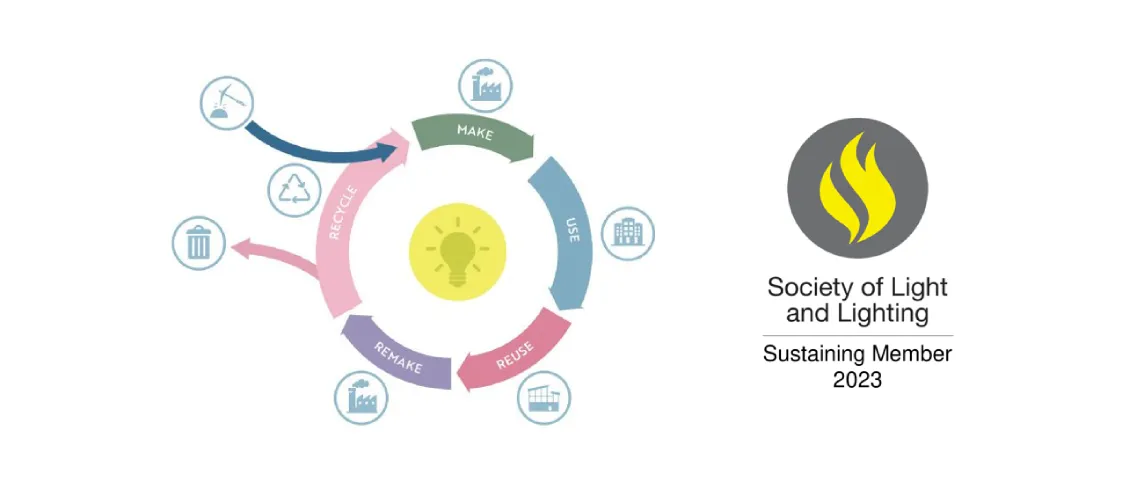
An industry-led initiative designed to address the challenges associated with product circularity, the TM66 Assured Product Verification Scheme aims to provide a standardised approach to verifying the circular credentials of lighting products.
Circularity is achieved by ensuring that products are designed, manufactured, and managed in a way that minimises environmental impact, optimises resource use, and enables effective recycling or reuse. TM66 and the assurance scheme provides a robust framework that allows lighting manufacturers to demonstrate the sustainability and circularity of their products through independent verification.
Key Objectives:
Promoting Sustainable Design: TM66 encourages manufacturers to incorporate sustainable design principles from the early stages of product development. This includes considerations such as material selection, energy efficiency, and end-of-life management.
Ensuring Material Traceability: The scheme emphasises the importance of traceability throughout the supply chain. By verifying the origin and composition of materials used in lighting products, TM66 ensures transparency and minimises the risk of harmful substances or unsustainable practices.

Encouraging Repair and Reuse: TM66 emphasises the importance of designing products for reparability and enabling component replacement. This promotes a shift away from the disposable culture and encourages the reuse of functional components, extending the lifespan of products.
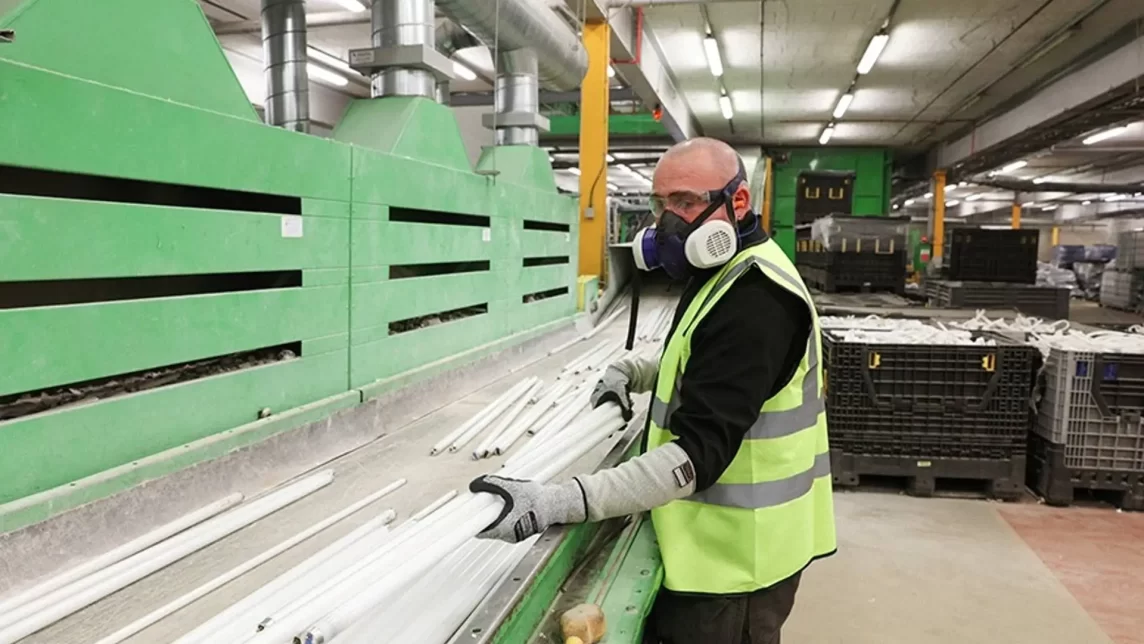
Enabling Responsible Recycling: The scheme emphasises the need for effective end-of-life management, including responsible recycling practices.
By promoting proper recycling infrastructure and facilitating the recycling process, TM66 aims to reduce waste and maximise material recovery.
Benefits of TM66:
Credible Verification: TM66 provides an independent verification process that lends credibility to manufacturers’ claims regarding product circularity. This helps build trust among consumers, businesses, and other stakeholders in the lighting industry.
Competitive Advantage: Manufacturers who achieve TM66 verification gain a competitive edge by showcasing their commitment to sustainability and circularity. This can attract environmentally conscious customers and open doors to new business opportunities.
Improved Environmental Impact: By adhering to TM66 guidelines, manufacturers can significantly reduce their environmental footprint. Through sustainable design, responsible material sourcing, and proper end-of-life management, the scheme promotes a more sustainable and resource-efficient lighting industry.
Industry Collaboration: TM66 encourages collaboration among manufacturers, suppliers, and industry stakeholders to drive innovation in circular practices. By sharing best practices and collectively working towards a circular economy, the scheme fosters a collaborative and sustainable industry ecosystem.

Conclusion:
TM66 has emerged as a ground-breaking initiative within the lighting industry, promoting circularity and sustainable practices. By providing a standardised framework for verifying the circular credentials of lighting products, TM66 enhances transparency, credibility, and trust within the industry. As businesses and consumers increasingly prioritise sustainability, the TM66 scheme plays a vital role in revolutionising the lighting industry and driving it towards a more circular and environmentally responsible future.
Tamlite Lighting is a founding member of the TM66 Assured Beta team for Circular Economy Luminaire Assessments. As a founding member of the TM66 Assured Beta team, Tamlite are not only committed to championing the adoption of sustainable business practise within the lighting industry, but to also assist consultants and specifiers in making informed choices when it comes to selecting sustainable luminaires.
By actively participating in the TM66 scheme, we are committed to advancing the adoption of environmentally friendly practices in the lighting industry and our aim is to assist consultants and specifiers in making informed choices when it comes to selecting sustainable luminaires.
With luminaires such as the EXPO high bay LED luminaire being one of the very first in the lighting industry to be TM66 certified, Tamlite have demonstrated that they are at the forefront of sustainability within our industry.
We’re here to help with energy efficiency and decarbonisation challenges. Drop us a line to get in touch
Frequently Asked Questions
TM66 is a Technical Memorandum developed by the LIA and CIBSE that outlines the main aims of a Circular Economy and how to achieve them across the lighting industry. Accompanied by the TM66 Assured Product Verification Scheme, it provides a standardised framework and independent verification to prove that lighting products are designed, manufactured, and managed to minimise environmental impact and optimise resource reuse.
The scheme focuses on four main sustainability goals:
Sustainable Design: Encouraging eco-friendly design, material selection, and energy efficiency from the early stages of product development.
Material Traceability: Ensuring transparency and verifying the origin of materials throughout the supply chain.
Repair and Reuse: Designing products for easy repair and component replacement to extend their lifespan.
Responsible Recycling: Facilitating proper end-of-life management to reduce waste and maximise material recovery.
For manufacturers, TM66 provides credible, independent verification of their sustainability claims, offering a competitive advantage that attracts environmentally conscious customers. For consultants and specifiers, the scheme provides the robust data needed to make informed choices when selecting sustainable luminaires. Companies like Tamlite Lighting participate as founding members of the TM66 Assured Beta team to advance these practices, with products like their EXPO luminaire being among the first to be TM66 certified.